You know what’s wild? When I was a kid, I thought muscles were just big, squishy things that helped you lift stuff. Like, what even *are* they? Seriously, picture me flexing my bicep in front of the mirror thinking I was Hercules or something. But muscles are so much more complex!
Fast forward to now and it’s amazing how far we’ve come in understanding muscle anatomy. It’s like peeling an onion—layer after layer revealing intricate details about how our bodies really work. And guess what? 3D technology is shaking things up in muscle anatomy research.
Imagine being able to see muscles from every angle—like a superpower for scientists! This not only helps researchers but also makes it way easier for all of us to grasp how our bodies function. So let’s take a little journey into this world where science meets some pretty cool tech!
Exploring Innovations in 3D Muscle Anatomy: Enhancing Scientific Outreach and Education
3D Muscle Anatomy: it’s a game changer in understanding how our bodies work. Imagine being able to see muscles from every angle, like having X-ray vision! This tech is seriously pushing the boundaries of what we thought was possible in education and outreach.
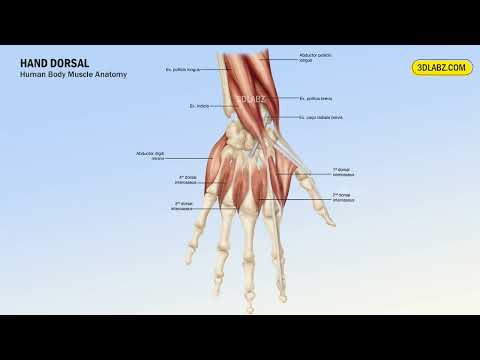
One of the coolest things about 3D muscle anatomy models is that they let students and anyone interested see, well, everything. You can zoom in on a bicep, rotate it around, and even peel back layers to reveal what’s underneath. Doesn’t that sound way cooler than just looking at flat textbook images?
The technology behind this: it’s mostly based on using scans from real human bodies. You know, like CT or MRI scans? These are transformed into 3D models that are super detailed and life-like. It’s not just for med students either; anyone can use these tools! There are apps available that let you explore your own muscles right from your phone.
So why is this important for outreach? Well, for starters, it makes learning way more engaging. Think about when you learned anatomy; maybe it was all memorizing names without really getting how they fit together. With these 3D models, you can interact with the information instead of just reading about it. That connection usually helps with retention too!
Here are some key points to consider:
- Accessibility: Everyone can access these models online or via apps.
- Interactivity: Users can manipulate the visuals themselves.
- Engagement: More exciting than traditional methods leading to better learning outcomes.
- Diverse Learning Styles: Visual learners especially benefit from seeing structures in detail.
And here’s something cool: some schools have started using them in classrooms to teach biology instead of relying solely on static images or diagrams. It’s not just textbooks anymore!
You know, I remember sitting in my high school science class struggling with all those muscle names and functions. If we had had access to this 3D tech back then, I probably would’ve found it so much easier—and more fun—to learn those complicated concepts.
So basically, innovations in 3D muscle anatomy are taking scientific outreach to the next level by making education interactive and engaging for everyone involved. It’s like stepping into a whole new world where science becomes an adventure instead of just theory!
Understanding the Definition of Digital Anatomy in Scientific Research
Digital anatomy is a fascinating field that’s really taken off in recent years, especially with advancements in technology. You know how you can’t always see the inside of something without taking it apart? Well, digital anatomy lets us explore the insides of organisms without any messy dissection. It’s like having X-ray vision!
So, what exactly is digital anatomy? In simple terms, it involves creating 3D representations of tissues and organs using various imaging techniques like MRI or CT scans. These images can then be manipulated on a computer for better understanding of structures and functions. Imagine how cool it is to rotate a model of a muscle or see how the heart beats in real time! This makes learning about anatomy way more interactive and engaging.
Now let’s talk about its impact on scientific research. Digital anatomy allows researchers to delve deep into muscle structures and their functions. For example, when studying how muscles react during exercise or injury, scientists can analyze these 3D models to get precise information. This could lead to breakthroughs in rehabilitation techniques or sports science!
And here’s something really interesting: researchers are using digital models to recreate anatomical variations that exist among individuals. Everyone’s body is different, right? By understanding this diversity, scientists can work on personalized medicine—treatments tailored specifically for individual needs.
Another exciting aspect is its role in education. When instructors use these digital tools in classrooms, students are more engaged than ever before. Instead of staring at flat images in textbooks, they can explore 3D muscles from all angles! It’s almost like playing a video game where you learn—how cool is that?
But challenges do exist too. Gathering accurate data for these models can be labor-intensive and requires sophisticated software and expertise. Sometimes it’s tricky to keep up with the rapid pace at which technology evolves.
In summary, digital anatomy revolutionizes how we understand biology through vivid 3D models that make learning engaging and research insightful. By harnessing new technologies seamlessly blended with science, researchers pave the way for innovative approaches in health care and education alike.
So yeah, next time you think about anatomy class or scientific studies, just remember it might not be all diagrams and textbooks anymore! The future looks bright with digital tools at our fingertips!
Exploring the Digital Anatomy Region: Advances in Scientific Visualization and Analysis
Hey there! So, let’s talk about the digital anatomy region and how it’s shaking things up in the world of 3D muscle anatomy. You know, this is not just some boring old textbook stuff anymore. It’s like transforming science into a visual playground!
First off, what do we mean by scientific visualization? Well, it’s all about turning complex data into images or 3D models that make it easier to understand. Imagine you’re trying to learn about muscles. Instead of looking at a flat diagram, you can zoom in on a lifelike 3D model, twist it around, and get a real feel for what’s happening inside our bodies.
Now let’s break down some cool advancements:
- 3D Modeling and Animation: With cutting-edge software, researchers can create super detailed models of muscles which can move just like they do in real life. This motion helps students and professionals see how different muscles work together.
- Virtual Reality (VR): Seriously! You can put on VR goggles and step into a digital body. It feels like you’re walking around inside your own muscles, almost like a video game but way cooler (and educational!).
- Augmented Reality (AR): Using AR apps on mobile devices lets you project 3D muscle models right onto your desk or even onto your own arm! This interactive experience makes learning super engaging.
- Data Analysis: Advanced visualization tools aren’t just pretty pictures; they help scientists analyze muscle function under various conditions. For example, comparing how muscles behave during different exercises can lead to better training plans.
I remember back in college when we had to memorize every single muscle name and function from paper charts—it felt like an endless mountain of info! Now, students get excited looking at 3D animations instead. It makes learning feel less daunting and more… fun? Can you believe that?
What about educational outreach? The beauty of these visuals is their potential use beyond classrooms. Imagine workshops where athletes get to learn about their own bodies using 3D models tailored for them! Coaches could easily access visual aids to explain techniques or injuries. It bridges gaps between theory and practice.
And let’s not forget the role these technologies play in research! Scientists can use detailed anatomical models for simulations that predict outcomes for surgeries or rehabilitation processes—keeping everything as safe as possible.
So yeah, the world of digital anatomy is seriously buzzing with energy. It’s making complex science more accessible for everyone—from students to professionals to curious minds like yours! The future looks bright (and beautifully animated) when exploring our body’s intricate design through advanced visualization techniques.
You know, I was hanging out with a friend the other day, and we started chatting about how cool it is that science keeps evolving. One thing that really stuck out to me was this whole idea of 3D muscle anatomy. Like, seriously, when I was in school, we mostly had to rely on flat diagrams and textbooks that felt dull. But now? It’s like stepping into a whole new world!
Advancements in 3D technology mean you can literally see muscles from every angle. Imagine being able to rotate them around like a model in a video game—like you’re zooming in on your own arm muscles without the need for an autopsy! These 3D models help students and enthusiasts actually visualize how muscles interact and work together. You can even fly through the body’s systems like you’re in some sci-fi movie.
This isn’t just about looking cool, though. It’s powerful for education! When people can see how muscles contract during movements or even how they look under stress, it creates a deeper understanding of human anatomy. And let me tell you, understanding has this magical way of sparking curiosity—like when I first learned about how your biceps work when you curl weights. Suddenly, the gym wasn’t just lifting; it became fascinating!
And here’s the kicker: these advancements aren’t just helpful for students or healthcare professionals. They’re great for everyone interested in fitness or health! Whether you’re trying to get fit or just want to know more about your body, getting this visual representation can really change the way you think about working out or healing injuries.
So yeah, as I reflect on all this tech in muscle anatomy visualization, it brings back that sense of wonder I felt as a kid learning about science. It feels like opening up a treasure chest of knowledge—making complicated stuff accessible and exciting. Who wouldn’t want to explore their own body in 3D? Plus, if you think about it: with scientific outreach improving thanks to these technologies, more people will have opportunities to learn and appreciate what’s going on beneath their skin. That’s pretty awesome if you ask me!