You know what’s wild? There’s this place called Madagascar. It’s not just famous for lemurs—although, seriously, how cute are those guys? What’s really mind-blowing is that over 90% of its wildlife isn’t found anywhere else on earth! It’s like nature decided to host a party there and invited only the quirkiest guests. So, islands are like ecological treasure chests, all unique and full of surprises. Picture this: a tiny landmass with flora and fauna that evolved in ways you wouldn’t believe! But here’s the thing: they’re also super fragile. A little nudge from humans can tip the scales big time. Let’s chat about why these islands are so special and why we should care about their biodiversity. Trust me, it gets interesting! Exploring the Unique … Island Biodiversity: Nature’s Unique Ecological TreasuresRead more
Ecology
Population Growth: Challenges and Scientific Solutions
You know that moment when you realize you’ve got way more stuff than you can fit in your tiny apartment? Like, seriously, how did all those shoes end up in there? Well, that’s kinda what’s happening with our planet right now. Picture this: the Earth’s population is expected to hit 10 billion by 2050. Yup, that’s billion with a “B.” It’s like when the whole block decides to throw a party at your place—chaos! But hey, it’s not all doom and gloom. There are some really smart folks out there working on ways to tackle population growth’s challenges. So let’s chat about it! What does it mean for us? What smart solutions are brewing? Exploring the Scientific Challenges of Population Growth: Analyzing Environmental, Social, and … Population Growth: Challenges and Scientific SolutionsRead more
Ecosystem Diversity: Importance for Science and Conservation
So, picture this: you’re at a party, right? And it’s a total mix of people—some loud and funny, others quiet and mysterious. Now imagine if everyone was just like that one guy who tells dad jokes all night. Boring, right? Well, that’s kind of what happens when we talk about ecosystems. Diversity makes everything exciting. The more different plants, animals, and tiny microbes you’ve got hanging out together, the healthier the whole party gets. But when things get too similar—it’s like having a playlist that only plays the same song on repeat; eventually, you just wanna scream. You might think ecosystems are just random collections of living things. But trust me, they’re way more than that! They’re these complex webs of life that depend on … Ecosystem Diversity: Importance for Science and ConservationRead more
Biodiversity’s Role in Ecosystem Health and Resilience
You know that feeling when you step into a lush forest, and it’s like nature is giving you a big hug? Seriously, it’s magical! But here’s the thing: that cozy feeling isn’t just about the trees and flowers. It’s all about biodiversity—like having a diverse cast in a super fun movie. Imagine if every character was the same. Boring, right? Well, ecosystems work kind of like that too. When there’s a mix of plants, animals, and tiny critters, everything thrives together. It’s like they’re all on this big team trying to keep things balanced and healthy. And guess what? When things get tough—like climate change or pollution—having that diversity is like having backup singers at a concert. They help keep the show going! So let’s … Biodiversity’s Role in Ecosystem Health and ResilienceRead more
Avian Conservation Strategies for a Sustainable Future
I remember the first time I saw a bald eagle up close. It was perched majestically on a tree, just chilling like it owned the place. Seriously, it felt like I was in a National Geographic special, and I couldn’t help but think: “Wow, how cool is nature?” But then it hit me—birds like that are more than just pretty faces. They’re part of this huge puzzle called our ecosystem. And right now, some pieces are missing. You see, many avian species are struggling to survive. Yeah, it’s a real bummer. Habitat loss, climate change—you name it. But rather than wallowing in sadness over our feathered friends, let’s talk about what we can do to help them out. This isn’t just about saving the fluffy … Avian Conservation Strategies for a Sustainable FutureRead more
Science for Conservation: Restoring Nature’s Balance
So, picture this: you’re walking through a park, and suddenly, you spot a squirrel doing acrobatics on a branch. Like, seriously? This little furball is living its best life. But then you realize, wait a minute—what if that carefree squirrel is actually in danger? Yeah, nature’s balance isn’t just about cute critters and pretty flowers. It’s like this crazy juggling act where every species plays a part. You lose one, and the whole thing can tumble down. Now imagine if we could help put that balance back together! That’s where science struts in like it owns the place. With some good old-fashioned brainpower mixed with love for Mother Earth, scientists are on a mission to restore what’s been lost. You follow me? Let’s chat about … Science for Conservation: Restoring Nature’s BalanceRead more
Advancing Wildlife Conservation Through Scientific Engagement
So, picture this: you’re on a hike in the woods, and suddenly, you spot a deer staring right at you. It’s like an Instagram moment but without the filter. You freeze, thinking about how rare it is to see wildlife so up close. But then it hits you—how fragile that moment is and how important it is to protect these amazing creatures. You know, when it comes to wildlife conservation, it’s not just about saving the cuddly animals. It’s a whole web of life we’re trying to keep intact! Each animal plays its part, and each small action can cause ripples. But here’s the thing: science has got our back. Seriously! Scientists are finding new ways to engage with communities and spread the word about … Advancing Wildlife Conservation Through Scientific EngagementRead more
Environmental Influences on Biological Systems and Interactions
You know that feeling when you step outside, and the air is crisp and fresh? Or, like, when it’s super humid, and you feel like you’re swimming through the atmosphere? Well, that’s just the weather being its dramatic self, but guess what? It plays a massive role in how living things interact. Picture this: a tiny ant struggling to carry a crumb twice its size. Now imagine if it suddenly started raining. That little ant might have to rethink its whole game plan. It’s a simple example, but it shows how environmental factors can flip the script for any creature out there. Every day, living beings are navigating their environments in all sorts of ways. Some plants are reaching for sunlight while others are burrowing … Environmental Influences on Biological Systems and InteractionsRead more
Influence of Non-Living Factors on Ecosystem Dynamics
So, here’s a funny thing. You know how when you forget to water a plant, it suddenly looks all droopy and sad? Like, one minute it’s standing tall, and the next it’s basically saying, “Help me!” Well, that’s just a tiny glimpse into how non-living stuff messes with ecosystems. Think about it: sunlight, water, soil… these elements are like the backstage crew of nature. Without them, all the cute animals and vibrant plants would be in serious trouble. Ecosystems are like a big ol’ pot of soup. You’ve got your veggies (that’s the living stuff), but without water and heat—aka your non-living factors—you wouldn’t have anything to eat! So let’s chat about how all these non-living things shape life around us. It’s wild to think … Influence of Non-Living Factors on Ecosystem DynamicsRead more
Living Systems: The Science of Earth’s Biological Diversity
You know that feeling when you step into a garden and it’s just bursting with colors? Like, seriously, it’s like nature threw a paint party! Each flower, each leaf—they all have their own little story. Now, let me tell you something wild: there are around 8.7 million species on Earth. Yep, 8.7 million! That’s more than the number of times I’ve forgotten where I put my phone this week. But here’s the deal: not all of them have been discovered yet! Imagine that—nature is still keeping some secrets up her sleeve. So, let’s chat about living systems—the cool, complex web of life that connects us all in ways we sometimes don’t even realize. It’s not just about plants and animals; it’s about ecosystems, relationships, and … Living Systems: The Science of Earth’s Biological DiversityRead more
River Ecology and Its Role in Biodiversity Conservation
So, picture this: you’re sitting by a river, right? Just chilling, maybe skipping stones and trying to catch some fish. But have you ever stopped to think about all the wild stuff happening just beneath the surface? It’s like an entire city bustling with life—fish, insects, plants…you name it! Rivers are way more than just pretty water. They’re like the lifeblood of our planet. Seriously! They connect ecosystems and help countless species thrive. You know that warm feeling you get when you see a butterfly flitting around or hear a frog croaking at dusk? Yeah, rivers make that happen. And here’s the kicker: they play a huge role in biodiversity conservation. It’s like they’re nature’s very own Swiss Army knife! Keeping these waterways healthy isn’t … River Ecology and Its Role in Biodiversity ConservationRead more
Advancing Knowledge in Chemical Ecology at Max Planck Institute
Did you know that plants can actually “talk” to each other? Yeah, I know, sounds a bit sci-fi, but it’s true. They release chemicals to warn their buddies about pests. Kind of like passing notes in class, but more like a life-or-death situation! Now, imagine digging deeper into this wild world at the Max Planck Institute. They’re all about chemical ecology—basically how living things communicate and interact using chemicals. It’s like the ultimate science gossip party! And seriously, their research opens up a whole new perspective on nature. You wouldn’t believe how much is going on behind the scenes! So buckle up; we’re about to explore some fascinating stuff together. Exploring the Max Planck Institute: Pioneering Research and Innovations in Science Let’s talk about the … Advancing Knowledge in Chemical Ecology at Max Planck InstituteRead more
Advancing Chemical Ecology Research at Max Planck Institute
Have you ever noticed how some plants seem to keep bugs away while others practically roll out the red carpet? It’s like they have their own little chemical defense systems! Well, that’s kind of what chemical ecology is all about. It’s this fascinating field that dives into how living organisms interact through chemicals. Seriously, it’s like nature’s secret conversation. At the Max Planck Institute, researchers are jumping right into this wild world. They’re looking at everything from how plants and insects communicate to how these interactions shape entire ecosystems. Imagine being part of figuring out these mind-blowing connections! So, grab a cup of coffee, and let’s chat about what they’re uncovering in the realm of chemical ecology. Trust me; it gets pretty exciting! Discovering the … Advancing Chemical Ecology Research at Max Planck InstituteRead more
Engaging Communities in Ecological Science Education
Alright, so picture this: you’re in a park, enjoying a sunny day. Suddenly, you spot a squirrel staring at you. Is it judging your snack choices or just planning its next move for that sandwich? Who knows! But here’s the kicker: that little furball is part of a bigger ecological story unfolding right under our noses. Ecological science isn’t just lab coats and fancy equipment; it’s all around us! It’s about communities—the people, the critters, and the plants we share our space with. Getting folks involved in understanding this world is like opening a door to endless curiosity. When communities engage in ecological science education, we’re really talking about building bonds and knowledge that can last generations. So what if we could turn every curious … Engaging Communities in Ecological Science EducationRead more
Community Interactions and Population Dynamics in Ecology
You know those nature documentaries where you see a lion take down a wildebeest on the savannah? And you’re, like, glued to the screen? It’s wild how everything’s connected out there in the wild. One moment, it’s life and death; the next, it’s just survival of the fittest. But it ain’t just about lions and wildebeests. Seriously, every creature around us is part of a massive web of connections. Think about your backyard—those ants marching in line or that squirrel digging up your bulbs. They’re all doing their thing, and surprisingly, they impact each other. In ecology, we call this whole scene “community interactions” and “population dynamics.” Fancy words for how living things affect one another and keep balance in their environments. It’s kinda like … Community Interactions and Population Dynamics in EcologyRead more
Ecosystem Planning for Effective Restoration Strategies
So, picture this: you’re on a hike, and suddenly you step into a patch of wildflowers. It’s like nature threw a colorful party just for you. But then you notice some plastic crap stuck between the blooms—ugh, right? You can’t help but wonder, how did we get here? Nature is supposed to be this beautiful, balanced thing. But between climate change and human activities, it feels like we’re messing up the invite list. Ecosystems are like super intricate jigsaw puzzles. Every piece is important. When one goes missing, the whole thing starts to look pretty wonky. That’s where ecosystem planning comes in. It’s all about figuring out how to put those pieces back together again—effectively! These restoration strategies aren’t just some boring science talk; they … Ecosystem Planning for Effective Restoration StrategiesRead more
Ecosystem Dynamics and Their Role in Biodiversity Conservation
You know that moment when you’re outside, just chilling, and suddenly a butterfly flits by? Just like that, ecosystems are buzzing all around us! They’re not just pretty scenes; they’re complex networks of life, working together in ways we often don’t notice. Think of it like a giant potluck dinner where every dish is essential. If one is missing, the whole meal kind of falls flat. Ecosystems do the same thing for wildlife. Without diversity, life gets a little less… well, lively! So here’s the scoop: understanding these dynamics isn’t just for scientists in lab coats. It’s super important for all of us if we want to keep our planet vibrant and full of surprises. Curious yet? Buckle up; we’re about to dig into how … Ecosystem Dynamics and Their Role in Biodiversity ConservationRead more
Engaging Students in Ecology Through Interactive Science Projects
You know that moment when you find a worm in the dirt and suddenly feel like a scientist? Like, “Whoa, why is this little dude wriggling so much?” It’s wild how something so small can spark curiosity! Ecology is kinda like that. It’s all about understanding how living things connect with each other and their environment. Sounds a bit serious, right? But trust me, when you dive into it through hands-on projects, it gets super fun! Imagine watching plants grow in different soils or tracking the flight of butterflies. It’s not just learning; it’s experiencing nature firsthand! So let’s chat about how we can make ecology come alive for students. Seriously, engaging them with cool projects can turn anything from a boring lesson into an … Engaging Students in Ecology Through Interactive Science ProjectsRead more
Ecology Resources from Khan Academy for Science Enthusiasts
You know that feeling when you’re outside, staring at a squirrel like it’s the next big thing in your life? Seriously, those little guys are fascinating! They’ve got this whole survival game going on, and it’s all about ecology. So, if you’re anything like me and find the natural world just a bit mind-blowing, then you might wanna check out some cool resources from Khan Academy. They’ve got this treasure trove of info that makes understanding ecosystems way easier than figuring out why your cat thinks it can fit into a shoebox. From food chains to biodiversity, it’s all laid out in a way that makes sense. Trust me, once you start digging into these topics, you’ll look at everything differently—like even plants have their … Ecology Resources from Khan Academy for Science EnthusiastsRead more
Ant Ecosystems: Nature’s Highly Organized Communities
I remember once sitting outside, enjoying some sunshine, when a tiny ant decided my leg was his personal highway. He marched on like he owned the place. I just laughed because, seriously, how does such a small creature have this big mission? Now, thinking about it, ants are like the ultimate team players of nature. You’ve got this whole community working together, building and foraging in ways that make us humans look kinda lazy sometimes. But here’s the kicker: these little guys aren’t just wandering around aimlessly. They’re part of complex ecosystems that keep things balanced in nature. Each species plays a role, like some bizarre yet fascinating soap opera playing out right under our feet. So let’s take a stroll into the world of … Ant Ecosystems: Nature’s Highly Organized CommunitiesRead more
Deep Ecology and Arne Naess: A Scientific Perspective
You know that feeling when you’re out in nature, and it just hits you? Like, you’re standing in a forest, the sun filters through the leaves, and for a moment, everything feels connected. It’s a bit magical, right? Well, that vibe is basically at the heart of deep ecology. Imagine a philosophy that goes way beyond just saving the trees or cuddling with polar bears—it’s about understanding that all life has value. Crazy to think someone put this into words! Enter Arne Naess, the mastermind behind this whole movement. He was like, “Hey folks, let’s rethink our place on this planet!” And he opened up an entire world of thought about how we relate to nature—not just as users but as part of a bigger … Deep Ecology and Arne Naess: A Scientific PerspectiveRead more
Innovative Approaches to Building New Ecosystems in Science
You ever tried to build a sandcastle at the beach? The first one always crumbles, right? But then, you get smart. You mix in some water, maybe throw in a seashell or two, and suddenly it stands tall. That’s kind of what we’re talking about here with ecosystems in science. Picture scientists as those sandy kids—always trying to build something cool. And just like my half-baked sandcastle from last summer, they’ve realized that using new materials and techniques can lead to something way more stable and exciting. So what’s the deal with these innovative approaches? Well, it’s all about collaboration and creativity. You see, building new ecosystems isn’t just about one scientist working alone in a lab; it’s more like a wild party where everyone … Innovative Approaches to Building New Ecosystems in ScienceRead more
Fascinating Interactions in Forest Ecosystems and Biodiversity
So, let me tell you a little story. A few summers back, I decided to go hiking in this gorgeous forest. I thought I was just going to get some fresh air and maybe a little exercise. But guess what? I ended up being totally blown away by the wild world around me! I mean, did you know that a single tree can be home to all sorts of creatures—like birds, bugs, and even mushrooms? Like a mini city right there in the forest! Just think about how everything is connected. Plants chatting with each other through their roots, animals relying on each other for survival… it’s like nature’s own Netflix series! And here’s the thing: forests are more than just pretty places to take … Fascinating Interactions in Forest Ecosystems and BiodiversityRead more

Lichen Physiology and Its Role in Ecosystem Health
So, picture this: you’re out for a hike, and you stumble upon some funky-looking stuff on a rock. It’s got this weird greenish-gray color, maybe a bit fuzzy? You probably just thought it was some mold or something. But hold on! That’s lichen, and it’s not just chilling there for no reason. Lichens are like the ultimate survivalists of the plant world. They can thrive in crazy places—like the Arctic or on bare rocks—where most plants would throw in the towel. Crazy, right? What’s even cooler is how they’re not just doing their own thing. They’re actually teaming up with fungi and algae to create something pretty amazing. But why does that matter for us? Well, they play a crucial role in keeping ecosystems healthy … Lichen Physiology and Its Role in Ecosystem HealthRead more
Urban Entomology and Its Role in City Ecosystems
So, here’s a funny thing. You know when you’re walking down the street, and you see a random ant carrying a crumb that’s like ten times its size? It’s mind-blowing! Seriously, those little guys are like tiny superheroes of the urban jungle. You might not think much about insects in the city. But let me tell ya, they play a major role in how our urban world operates. From pollinating plants to breaking down waste, they’re all around us, even if we don’t always notice. Imagine this: your local park is kinda like a buzzing city itself! It’s not just humans hustling about; there’s a whole hidden community of bugs working behind the scenes. And honestly? These critters are essential for keeping everything balanced—even in … Urban Entomology and Its Role in City EcosystemsRead more
Freshwater Fish Ecology and Its Role in Ecosystem Health
So, picture this: you’re by a serene lake, maybe fishing for that big catch, and suddenly you spot a fish jumping out of the water. It’s like it’s trying to tell you something! Well, that little splash is more than just a show-off moment. It’s a sign of life beneath the surface. Freshwater fish are like the unsung heroes of ecosystems. Seriously! They might not get as much hype as their ocean cousins, but they’re crucial for keeping things in balance. You know how when your favorite playlist has one off-key note and it just messes everything up? Yeah, that’s kind of what happens when freshwater fish are struggling. Their health reflects the overall ecosystem’s well-being. So let’s explore what makes these fish tick and … Freshwater Fish Ecology and Its Role in Ecosystem HealthRead more
Coral Ecosystems Thriving Through Collaborative Science
Did you know that corals can be super picky about their neighbors? Seriously! If they don’t like who’s next door, they might just kick them out. Imagine living in a neighborhood where you could boot anyone who didn’t vibe with your style! Coral ecosystems are way more than just pretty reefs. They’re bustling cities of marine life, each little critter playing a part in this vibrant community. And guess what? Scientists are diving into these underwater worlds to figure out how to keep them thriving. It’s kind of amazing when you think about it. People from all walks of life—scientists, locals, and even tourists—are teaming up to save these ecosystems. It’s like a global effort where everyone brings something to the table, like an epic … Coral Ecosystems Thriving Through Collaborative ScienceRead more
Ocean Ecology and Its Role in Global Biodiversity Conservation
You know that feeling when you’re standing by the ocean and the waves just crash over your feet? There’s something magical about it, right? Like, who doesn’t love a good beach day? But here’s a fun fact: under all that water is a whole other world teeming with life. Seriously! Ocean ecosystems are like nature’s hidden treasure chests. From coral reefs bursting with colors to mysterious deep-sea creatures that look like they belong in a sci-fi movie, there’s so much going on beneath the surface. And guess what? These underwater wonders play a huge role in keeping our planet healthy. Imagine a giant web connecting everything on Earth. The oceans are like the threads weaving species together, contributing to biodiversity in ways we’re only starting … Ocean Ecology and Its Role in Global Biodiversity ConservationRead more
Innovative Approaches in Computational Ecology for Biodiversity
You know that feeling when you’re scrolling through photos of cute animals and you suddenly feel this urge to save them all? Like, how awesome would it be to have a pet panda? Well, the truth is, protecting wildlife isn’t just about cuddly creatures and adorable snaps. It’s way more complex. Biodiversity is like the internet for life forms — every species is a link in a massive web, supporting each other in ways we might not even recognize. But here’s the kicker: our planet is kinda at risk of losing some of those links. So, how do we keep the web intact? Enter computational ecology. Think of it as using super-smart tech to figure out what’s happening in nature without needing to hike through … Innovative Approaches in Computational Ecology for BiodiversityRead more
Remote Sensing Innovations for Ecological Conservation
You know what always blows my mind? The fact that we can keep an eye on our planet from space. Seriously! That’s like being able to watch a movie but from the comfort of your couch, while you munch on popcorn. Remote sensing is kind of like that. It’s this super cool technology that helps us check out what’s happening in different ecosystems without getting our boots muddy. Sounds neat, right? Now, before you roll your eyes and say, “What does that even mean?” hold on! Imagine a flock of birds swooping down over a forest or spotting changes in water levels from way up high. With remote sensing, we get to observe all these changes and trends without even being there. It’s like having … Remote Sensing Innovations for Ecological ConservationRead more
Nurturing Connections Between Science and Society’s Ecology
You know that moment when you’re outside, soaking in nature, and you suddenly realize how interconnected everything is? Like, seriously! The other day, I watched a bee buzz around my garden. It got me thinking: that little guy is not just chasing nectar. He’s part of a much bigger story! Science and society? They’re like best friends trying to keep up with each other. They influence one another in ways we often overlook. Think about it—scientific breakthroughs can change our lives, but they only matter if we understand them. So why should you care about this connection? Well, it shapes how we deal with issues like climate change, healthcare, and even the food on our plates. You see, nurturing these connections is not just smart; … Nurturing Connections Between Science and Society’s EcologyRead more
Amazon Biodiversity and Its Role in Global Ecosystems
Did you know that the Amazon rainforest is so big it’s sometimes called the “lungs of the planet”? For real! It produces about 20% of the world’s oxygen. But wait, there’s more! It’s also home to an astonishing variety of plants and animals, many of which we’re still discovering. Seriously, one day, scientists might find a tree that talks or a fish that sings show tunes. But beyond all that craziness, the Amazon plays a crucial role in keeping our planet healthy. It acts like a giant sponge, soaking up carbon dioxide and helping to regulate the climate. How wild is that? Just imagine walking through a forest where every step could lead you to a creature or plant you’ve never seen before. The biodiversity … Amazon Biodiversity and Its Role in Global EcosystemsRead more
Ecological Engineers Bridging Science and Sustainability
So, picture this: you’re at a park, right? Suddenly, you see a bunch of beavers swimming around, building dams like they’ve got some sort of engineering degree. Crazy, huh? Well, believe it or not, those furry little guys are doing more than just playing around. They’re shaping their environment. Ecological engineers come in all shapes and sizes—beavers, ants, even humans! These species are like nature’s architects. They’re busy creating habitats and ecosystems that help sustain life. You know how people always talk about saving the planet? Well, these critters are already doing it without even trying. It’s wild to think about how interconnected everything is. When you start to dig deeper into this world of ecological engineering, you’ll see how vital these relationships are for … Ecological Engineers Bridging Science and SustainabilityRead more
Bridging Ecology and Genetics for Sustainable Solutions
So, picture this: you’re in a park, and suddenly, you see a squirrel. It’s not just any squirrel—this little dude is carrying an acorn that’s like half its size! And you can’t help but think, how on earth does he do that? Well, turns out, there’s more going on with our furry friends than just their cuteness. Just like that squirrel, nature has its tricks to survive and thrive. And when we start mixing in genetics? Oh man, the story gets even more interesting. You see, ecology and genetics are kind of like best buds; they work together to help us figure out how life on Earth can keep ticking along. But hold up! Why should you care about squirrels or genes? Because understanding this … Bridging Ecology and Genetics for Sustainable SolutionsRead more
Carrying Capacity: Balancing Nature and Human Growth
So, imagine you’re at a party with an endless buffet. You pile your plate high with all the goodies. But then, you realize there’s only so much you can eat before you feel like exploding, right? That’s kinda how our planet works too! Carrying capacity is like Earth’s party limit. It refers to the maximum number of people—or any living thing, really—that can thrive in a certain environment without running into trouble. You see, it’s not just about population growth or how many trees we can cut down. It’s about balancing our needs with what nature can actually provide. And honestly? That balance isn’t easy to maintain. With cities growing and resources stretching thinner, finding that sweet spot is more crucial than ever. So let’s … Carrying Capacity: Balancing Nature and Human GrowthRead more
The Role of Biotic Environments in Ecological Health
You know, it’s kinda wild when you think about it. I mean, while you’re out there enjoying a hike, have you ever stopped to wonder what’s actually going on around you? Like, not just the pretty trees and cute squirrels but the whole bustling community of life beneath your feet. Picture this: you’re walking through a forest, feeling all zen and peaceful. But in reality, there’s a whole lot of action happening with plants chatting through their roots and bugs having their own little parties. Seriously. So, what’s the deal with biotic environments? Well, they’re like the backstage crew in this environmental concert we call life. They help keep everything in check, ya know? In this chatty piece, we’re gonna dive into just how these … The Role of Biotic Environments in Ecological HealthRead more
Spring Hydrology and Its Role in Ecosystem Health
You know that moment when you step outside in spring, and the world just feels… alive? Like, all of a sudden, flowers bloom, birds chirp like they’re auditioning for a musical, and everything seems to be bursting with color. It’s magical! But here’s the kicker—none of this would happen without water. Yep, spring hydrology is like the backstage crew making sure the show goes on. It’s all about how melting snow and rainwater weave through ecosystems, keeping everything healthy and thriving. Ever watched water dance in a stream? It looks pretty chill—but it’s doing some heavy lifting behind the scenes. Ecosystems depend on those flowing waters to stay balanced. Seriously, every droplet counts! So grab your favorite drink and let’s chat about why spring hydrology … Spring Hydrology and Its Role in Ecosystem HealthRead more
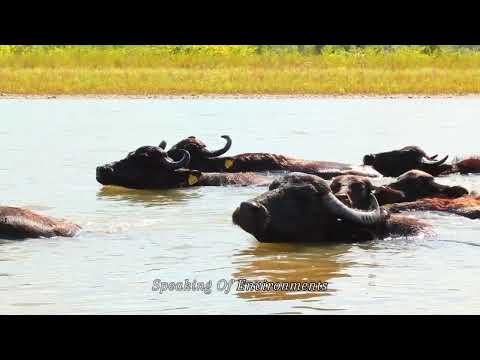
Buffalo Anatomy and Its Role in Ecosystem Balance
You know, the first time I ever saw a buffalo up close, I was totally blown away. I mean, these massive creatures just lumbering around like they own the place! It’s hilarious to think about how such a big animal can be so… fluffy? But there’s way more to buffalo than just their adorable, woolly appearance. Seriously! They play an essential role in keeping ecosystems balanced. It’s not just about looking cool in nature documentaries—they’re actually kind of like the unsung heroes of the plains. So let’s chat about buffalo anatomy and their impressive role in nature. Because trust me, once you dig into it, you’ll see just how intertwined they are with everything else around them! The Ecological Role of Buffalo: Insights from Conservation … Buffalo Anatomy and Its Role in Ecosystem BalanceRead more
Nurturing Nature Through Science and Community Engagement
You know, I once tried to plant a little garden in my backyard. It was supposed to be this lush, green paradise. But, I ended up with one sad tomato and a whole lotta weeds. It got me thinking… Nature can be kinda tricky, right? On one hand, it’s beautiful and full of life. Yet, it needs some TLC to thrive. That’s where science comes in! It’s not just about fancy labs and experiments—it’s also about how we connect with our communities. Imagine getting your hands dirty alongside your neighbors while learning about plants or wildlife! Sounds fun, doesn’t it? So let’s dig deeper into how we can nurture our planet together, using science as our trusty guide. Exploring the Nature of Community Engagement in … Nurturing Nature Through Science and Community EngagementRead more
Engaging Public Interest in Ecology and Evolutionary Science
You know how you sometimes spot a squirrel doing parkour? Seriously! They leap, twist, and somehow always land on their feet. It’s kind of amazing if you think about it. But here’s the thing—there’s way more to those little critters than just their acrobatics. Ecology and evolutionary science are like the ultimate detective stories unfolding right under our noses. Picture this: every plant, every bug, and yes, every squirrel has its own tale. These stories connect us to the natural world in ways we often overlook. But getting folks interested in that world? That can be a challenge. Sometimes it feels like trying to explain TikTok to your grandparents—totally lost in translation! We’ve got all this fascinating info just waiting to be shared, but how … Engaging Public Interest in Ecology and Evolutionary ScienceRead more
Urban Biodiversity and Its Role in City Ecosystems
You know, I once saw a raccoon rummaging through a trash can in my neighborhood. I mean, it was like watching a furry little bandit on a mission! And that got me thinking: urban areas are crawling with life, even if we don’t always notice it. Cities aren’t just concrete jungles. They’re surprisingly vibrant ecosystems packed with all sorts of creatures. Seriously, from birds to bees and even the occasional fox. Imagine all that variety coexisting right outside your window! Urban biodiversity is like the secret sauce that keeps city life colorful and interesting. It’s not just about parks or gardens but also how all those plants and animals interact in ways we often overlook. So let’s dig into this wild world of city critters … Urban Biodiversity and Its Role in City EcosystemsRead more
Sacred Ecology and the Intersection of Nature and Science
You know that moment when you’re out in nature, like hiking or just chilling in a park, and you start feeling this weird mix of awe and peace? Well, that’s not just you! There’s something deep going on there—like an ancient connection between humans and the earth. A while back, I was wandering through the woods when I stumbled upon this huge tree. And I swear, for a split second, it felt like it was whispering secrets about life to me. Pretty dramatic, huh? But that vibe isn’t just about getting lost in your thoughts; it ties back to something called sacred ecology. It’s like this bridge between the scientific bits we learn in school and the spiritual feelings we get from nature. You know … Sacred Ecology and the Intersection of Nature and ScienceRead more
Core Principles of Ecology for Scientific Engagement
You know what’s wild? Just the other day, I found myself staring at a tiny ant carrying something way bigger than its body. Like, how does it even do that? It got me thinking about all the crazy interactions happening around us in nature. Ecology is like the ultimate behind-the-scenes show of life on Earth. It’s about how living things—plants, animals, and even those pesky bugs—connect with each other and their surroundings. Basically, everything fits into a giant puzzle that makes our world tick. So, if you’ve ever wondered why your backyard looks the way it does or why certain animals hang out together, you’re in for a treat. This chat about ecology isn’t just for science nerds—it’s for anyone curious about the magic unfolding … Core Principles of Ecology for Scientific EngagementRead more
Tropical Ecology and Its Role in Global Biodiversity Conservation
So, picture this: you’re walking through a lush jungle, and out of nowhere, a monkey swings by, practically giving you a high-five. It’s like nature’s own amusement park! Seriously, these places are wild. Tropical ecosystems are home to some of the most stunning life forms on the planet. Imagine vibrant flowers, colorful birds, and insects that sound like they just came from another planet. It’s alive in ways you can’t even imagine! But here’s the thing: all this beauty isn’t just pretty to look at. Tropical ecosystems play a massive role in keeping our planet healthy. They help with everything from regulating the climate to providing food and oxygen. So yeah, let’s chat about why these jungles matter—not just for the adorable sloths or intoxicating … Tropical Ecology and Its Role in Global Biodiversity ConservationRead more
Biodiversity in Biology and Its Crucial Role in Ecosystems
You know what’s wild? There are more species of ants on Earth than there are humans. Seriously! That’s like if every person had a whole army of tiny, leggy friends. Biodiversity is the name of the game, my friend. It’s all about the variety of life we have around us—plants, animals, fungi, you name it! And guess what? Each one plays a role in keeping our planet buzzing along smoothly. Imagine your favorite pizza. It’s not just cheese, right? You’ve got toppings galore—pepperoni, mushrooms, bell peppers—each adding its own unique flavor. Biodiversity works the same way for ecosystems. So why should we care? Well, every little piece contributes to a bigger picture that affects us all—food supply, clean air, water… You get the idea! Let’s … Biodiversity in Biology and Its Crucial Role in EcosystemsRead more
Celebrating Earth’s Rich Biodiversity Through Science and Outreach
Did you know there are more species of beetles than any other type of animal on Earth? Yeah, it’s true! Something like 350,000 kinds of them. Crazy, right? You might be thinking, “Why should I care about beetles?” Well, they’re just one piece of our planet’s mind-blowing puzzle. From the tiniest microbes to the largest whales, Earth’s biodiversity is a treasure chest waiting to be explored. I remember this time when I stumbled upon a butterfly garden. Honestly, I had no idea butterflies were so… well, different! Each one was like a little masterpiece—so colorful and unique. It made me realize how much beauty and diversity surrounds us. So let’s chat about why celebrating this rich biodiversity matters. Science plays a huge role in revealing … Celebrating Earth’s Rich Biodiversity Through Science and OutreachRead more
Ecosystems Uncovered: Science and Outreach in Harmony
You know that moment when you step outside and feel the sun on your face, or hear birds chirping happily? Well, that’s a tiny glimpse into the wild world of ecosystems. It’s like a weird, magical web of living things all working together. Think of it as nature’s own reality show—every creature has its part to play. Crazy, right? I remember one time in my backyard, I found a tiny ant carrying a leaf bigger than it was! I mean, how cute is that? But really, it got me thinking about how every little thing fits into this big picture. So let’s chat about ecosystems. They’re not just cool—they’re essential! We’ve got plants, animals, and humans all connected. And there’s so much more to discover … Ecosystems Uncovered: Science and Outreach in HarmonyRead more
Biodiversity’s Crucial Role in Ecosystem Health and Stability
So, picture this: you’re at a party, and it’s the same five people just chatting about the same stuff over and over. Boring, right? Now imagine that instead of five folks, we had a wild mix—artists, scientists, musicians, dancers—you name it! Suddenly, that party is lit! Well, that’s kind of what biodiversity is for our planet. It’s not just a bunch of different species hanging out; it’s a big deal for keeping everything running smoothly. Each plant and animal has its own role to play. Just like those quirky party guests bring something unique to the table, every species adds to the health and stability of our ecosystems. And seriously, without that variety? Things start to get messy real quick. Just think about it: fewer … Biodiversity’s Crucial Role in Ecosystem Health and StabilityRead more
Ecology and Evolution: Connecting Science with the Community
You know, the other day I came across this quirky fact: there are more trees on Earth than stars in our galaxy! Seriously! When you think about it, that’s pretty mind-blowing, right? Anyway, that got me reflecting on how everything connects in our world. Ecology and evolution aren’t just stuffy science topics; they’re like the ultimate soap opera of life. Just picture it: plants, animals, and even us humans all playing our parts in this crazy intertwined drama. But here’s the deal: a lot of people see science as something distant or too complicated. Like it’s only for lab coats and thick textbooks. But it doesn’t have to be that way! So let’s chat about how ecology and evolution shape not just nature but our … Ecology and Evolution: Connecting Science with the CommunityRead more
Ecological Resources for Scientific Engagement and Education
So, picture this: You’re on a nature hike, soaking up the sun, and suddenly you trip over a rock. But wait! That rock is actually a hidden treasure trove of fossils. Crazy, right? Nature has this way of surprising us. Now, imagine turning that unexpected stumble into a fun learning experience for everyone around you. Seriously! That’s where ecological resources come into play. They’re like magical tools that help us connect with the environment while having a blast. You know how sometimes you can feel overwhelmed with all the science stuff out there? Well, these resources make it easy to engage and educate without feeling like you’re in a snooze-fest. Whether it’s for kids or adults, tapping into these ecological gems makes understanding our planet … Ecological Resources for Scientific Engagement and EducationRead more
Individual Ecology and Its Role in Conservation Science
You know that moment when you’re just chilling in the backyard, and a butterfly lands on your shoulder? It feels like a little sign from nature, right? Like, “Hey, I’m here too!” But think about it. That butterfly isn’t just hanging out for fun. It’s playing a part in this big, wild drama called ecology. Seriously! Every creature, down to the tiniest ant, has a role to play. So let’s chat about individual ecology — how every living thing interacts with its surroundings and what it means for conservation science. The way we protect these ecosystems relies heavily on understanding those little connections. Stick around; it gets interesting! Understanding Ecology’s Essential Role in Conservation Science So, let’s chat about ecology and why it’s super important … Individual Ecology and Its Role in Conservation ScienceRead more
Integrating Individual and Community in Ecosystem Science
You know that moment when you’re sitting in nature, and a butterfly lands on your shoulder? It’s like, “Hey there, buddy!” One second you’re just sweating in the sun, and then—bam!—you’re part of the ecosystem. It’s kind of wild how everything around us is connected, right? You’ve got individual critters doing their thing while also being part of this huge web that includes plants, animals, and even people. It’s like a community barbecue where everyone brings something to the table. So when it comes to ecosystem science, it’s not just about plants or animals. It’s about understanding how us humans fit into that picture too. Seriously! You can’t talk about ecosystems without mentioning neighborhoods and individuals making choices every day. Let’s hang out for a … Integrating Individual and Community in Ecosystem ScienceRead more
Invasive Species and Their Role in Biodiversity Conservation
So, picture this: you’re chilling in your backyard, sipping lemonade. Suddenly, you spot a squirrel munching on your garden plants. Instead of a cute little critter, it’s more like a furry little bulldozer! You think, “Why are you eating my flowers?!” Well, that’s kind of how invasive species roll. They show up uninvited and can really shake things up in nature. It’s wild to think about how these non-native critters can mess with the balance of ecosystems. But hold on! It’s not just chaos we’re talking about. These plants and animals can actually play some surprising roles in biodiversity conservation. Yep! Sometimes, the unexpected guest can help out in ways we wouldn’t imagine. So come along as we explore this fascinating twist—how those pesky invaders … Invasive Species and Their Role in Biodiversity ConservationRead more
The Interconnected Web of Living Ecosystems and Their Importance
So, funny story! A few weeks ago, I was chilling in my backyard, and there’s this squirrel that seems to think it owns the place. Seriously, it was stealing birdseed like it was at a buffet! Watching that little guy got me thinking about how everything in nature is sort of linked together. Like, you’ve got birds and squirrels, plants and insects—all living their best lives but also relying on each other to keep things running smoothly. It’s like nature’s own version of a group project, but WAY more successful. You might not realize it, but all these connections create ecosystems that are super important for us too. They provide clean air, food, and even help regulate our climate. So when one part starts to … The Interconnected Web of Living Ecosystems and Their ImportanceRead more
Mathematical Ecology: Bridging Math and Environmental Science
You know how sometimes you see a flock of birds flying in perfect formation? It’s like nature’s own choreography, right? Well, here’s the kicker: there’s some serious math behind that dance. Now, I’m not talking about calculus or anything that makes your head spin. I mean, who actually uses those crazy equations in real life? But when it comes to our environment, math and ecology are basically best buds. Picture this: mathematicians teaming up with biologists to tackle problems in nature. Sounds like a sci-fi movie plot, doesn’t it? The thing is, they’re figuring out patterns in ecosystems—kind of like solving a puzzle where every piece matters. So let’s chat about this wild combo of mathematical concepts and earthly wonders. Because honestly, understanding how numbers … Mathematical Ecology: Bridging Math and Environmental ScienceRead more
Conservation Science in Protected Areas for Biodiversity
So, picture this: you’re hiking through a lush forest, and out of nowhere, a squirrel hops up on the path in front of you. You stop, and it just sits there, munching on an acorn like it owns the place. It’s like nature’s little reminder that we’ve got some serious wildlife sharing this planet with us! Anyway, you probably know that nature isn’t just about cute critters and pretty plants. It’s a whole system—like a web—and when one part gets tugged too hard, the whole thing can go haywire. This is where conservation science comes in! We’re talking about the folks who study ecosystems to protect those wild spaces where biodiversity thrives—like national parks and wildlife reserves. They’re kind of like nature’s superheroes, making sure … Conservation Science in Protected Areas for BiodiversityRead more
Biodiversity’s Role in Shaping Thriving Ecosystems
You know what’s wild? I once accidentally stumbled into a patch of wildflowers, and it was like being in a living painting. Bees buzzing around, butterflies flitting by, and this crazy variety of colors splashing everywhere. It was like nature threw a party, and I wasn’t even invited! That got me thinking about biodiversity. Seriously, it’s not just a fancy word people throw around at eco-meetings. It’s what sticks our ecosystems together, like glue. Imagine tossing in a ton of different plants and animals—suddenly everything works better. When you have a mix of species hanging out together, things start to flourish. Think about it: healthier soil, cleaner air, all that good stuff. But when you lose that diversity? Well, let’s just say things can get … Biodiversity’s Role in Shaping Thriving EcosystemsRead more
Community Dynamics in Science: Engaging Through Collaboration
You know that feeling when you’re in a group project, and there’s always that one person who just doesn’t pull their weight? Yeah, I get it. But, imagine if everyone actually worked together like a well-oiled machine. Pretty cool, right? That’s the thing with science. It’s not just about solo geniuses in lab coats. It’s all about community—people teaming up, sharing ideas, and bouncing thoughts off each other. The vibe shifts so much when collaboration kicks in! New theories pop up like popcorn in a microwave. Suddenly, science seems way more alive and less like a dusty textbook. We’re talking shared knowledge and creativity sparking breakthroughs that change the game entirely! So, let’s chat about how this whole collaboration thing really boosts scientific progress—trust me; … Community Dynamics in Science: Engaging Through CollaborationRead more
Harnessing the Wonders of Stream Ecosystems for Science
You ever splashed around in a stream as a kid? Maybe you caught little fish or admired the odd-looking bugs crawling on rocks. Ah, memories, right? Well, streams are way more than just playgrounds. They’re like nature’s laboratories, bustling with life and mysteries. Seriously, have you thought about all the cool stuff happening in those tiny ecosystems? There’s a whole world under the surface! From tiny microbes to massive fish, every creature plays its part. And believe it or not, these stream ecosystems are super important for science. So, let’s chat about how harnessing these wonders can lead to some pretty rad discoveries. Buckle up! Understanding Stream Ecology Theory: Insights into Aquatic Ecosystems and Their Dynamics Sure! Let’s chat about stream ecology theory and how … Harnessing the Wonders of Stream Ecosystems for ScienceRead more
Engaging Students with Forest Ecosystem Science Activities
You know what’s wild? A single tree can support over 200 species of insects. That’s like a whole city living on one trunk! When you think about forests, it’s easy to picture tall trees and chirping birds. But, there’s so much more happening beneath that leafy canopy. Getting students excited about forest ecosystems can be a total game-changer for their love of science. Seriously, who wouldn’t want to explore the hidden world of fungi and critters that make the forest tick? Imagine kids wrangling with worms or chasing butterflies, all while learning how everything fits together in nature’s puzzle. It’s not just fun; it opens their eyes to the magic all around them! So let’s talk about some awesome activities that can get everyone buzzing … Engaging Students with Forest Ecosystem Science ActivitiesRead more