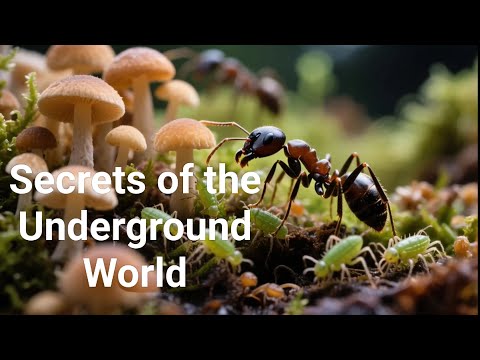
I remember once sitting outside, enjoying some sunshine, when a tiny ant decided my leg was his personal highway. He marched on like he owned the place. I just laughed because, seriously, how does such a small creature have this big mission?
Now, thinking about it, ants are like the ultimate team players of nature. You’ve got this whole community working together, building and foraging in ways that make us humans look kinda lazy sometimes.
But here’s the kicker: these little guys aren’t just wandering around aimlessly. They’re part of complex ecosystems that keep things balanced in nature. Each species plays a role, like some bizarre yet fascinating soap opera playing out right under our feet.
So let’s take a stroll into the world of ants and peek into their super organized communities. You might just find yourself admiring these tiny architects and their incredible teamwork!
Exploring the Complex Social Structures of Ant Communities in the Field of Myrmecology
Ants are, like, super fascinating creatures. When you take a moment to look at their world, it’s pretty mind-blowing how complex their social structures are. I mean, there’s so much going on beneath our feet!
So, let’s start with the basics—what’s myrmecology? It’s basically the study of ants. Ants belong to the family Formicidae and are known for their social behavior, which is seriously impressive. They live in colonies that can sometimes number in the millions. Isn’t that wild?
Now, within these colonies, there are different roles —like a little ecosystem all on their own. Here’s where it gets even more interesting:
- Queen: This lady is pretty much the heart of the colony. She lays eggs and ensures future generations keep things buzzing along.
- Workers: These girls (and guys!) do all sorts of jobs—from foraging for food to taking care of babies and even defending the nest.
- Males: Their main job is to mate with queens, right? After that, they often just kind of fade out since they don’t do much else.
You see how there’s a hierarchy? It’s not just chaos; everything has its place. The workers even communicate with one another through pheromones —which is just a fancy word for chemical signals that convey messages! Imagine if we had our own secret language made up of smells!
Ant communities can also vary greatly depending on species. For instance, fire ants build these massive mounds that can be several feet high! And then you have leafcutter ants who literally cut leaves and take them back to their nests to grow fungus as food — talk about a green thumb!
The way ants cooperate reminds me of teamwork during school projects—everyone has something important to contribute! When they’re out foraging, they actually work together to find food more efficiently. It’s like watching a well-oiled machine in action.
But it isn’t all sunshine and pheromones. Ant colonies can face challenges too—like pest invasions or changes in their environment due to climate issues. For example, invasive species can disrupt local ant populations and throw everything out of whack.
A memorable time I had watching ants was when I was hiking once. I found an ant trail leading back to their hill and stared in awe as they cooperated seamlessly under my nose! You really get a sense that there’s this whole mini-society happening right at your feet.
So yeah, if you think about it, studying these little creatures gives us insight into bigger ecological themes like cooperation and community organization—stuff we humans can learn from too! Just goes to show you how essential ants are to our ecosystems—they’re nature’s little architects.
In short, ant communities are not just busy; they’re incredibly complex societies filled with roles and responsibilities that keep everything running smoothly. Next time you spot an ant or two on your walk outside, take a moment to appreciate what might be going on beneath them—it could be more than meets the eye!
Exploring the Ecological Impact of Ants: Their Role in Shaping Ecosystems and Biodiversity
Ants are like nature’s tiny engineers. You might not think about them much, but they play a huge role in shaping ecosystems and boosting biodiversity. Seriously, these little critters are all over the place, making their homes and influencing their surroundings more than we often realize.
Firstly, ants help aerate the soil. As they dig tunnels underground, they create channels for air and water to seep in. This isn’t just good for them; it helps plants, too! Roots can breathe better and access moisture more easily. Imagine how hard it would be for a plant to thrive if its roots were suffocating in compacted soil. So, ants do a solid job of keeping things loose and airy down there.
Then there’s nutrient cycling. Ants are notorious scavengers; they’ll munch on dead insects, seeds, and even fungi. As they carry this stuff back to their nests, they’re literally breaking it down into smaller bits that can be gobbled up by other critters or recycled into the soil as nutrients. It’s like a natural composting system! Think about how much faster things decompose when ants are involved—that’s a big deal for keeping ecosystems healthy.
And let’s not forget about seed dispersal. Some plants have seeds that rely on ants to help them spread out. There’s this wild relationship where certain seeds have a tasty protein coat that ants love to eat. When ants take these seeds back to their nests, they get rid of the coating while accidentally planting the seeds in new spots. It’s kind of like giving plants a free ride to new locations! This helps those plants find new places to grow and can even lead to creating diverse plant communities.
Now here comes something really cool: ants have a social structure that’s super organized. Each member has its role—worker ants forage for food while the queen lays eggs. This complex social behavior not only makes them efficient at gathering resources but also helps maintain balance in their environment by working together harmoniously. Picture all those little workers hustling around; it’s like an assembly line buzzing with activity!
But it’s not all sunshine and flowers for ants either! They face threats from habitat loss and climate change just like many other species out there. If ant populations decline or disappear from an ecosystem… well, you can imagine the ripple effect that could have: less soil aeration, fewer nutrients recycled back into the ground, plant communities struggling…. It paints a worrying picture.
In summary:
- Soil aeration: Ant tunnels create space for air and water.
- Nutrient cycling: They break down organic matter efficiently.
- Seed dispersal: Some plants depend on ants to spread their seeds.
- Social structure: Their teamwork aids ecological balance.
Every little action by an ant contributes significantly to its ecosystem—you know? So next time you see one crawling around your backyard or park, think about how crucial it is in nature’s web of life!
Exploring Ant Colonies: The Superorganism Concept in Scientific Research
Ants are some of the most fascinating creatures out there. You might think about them as just tiny bugs, but they actually form complex societies that can be seen as a kind of **superorganism**. Yeah, I know, sounds fancy, but stick with me here!
So, what is this superorganism concept? Well, it’s basically the idea that a colony of ants acts like one big organism rather than just a bunch of individuals hanging out together. Think about how your body works. Every part has its role; your heart pumps blood, your legs let you walk around. Ant colonies operate on a similar level. Each ant has specific jobs—some are workers, others are soldiers, and there are even reproductive ants called queens. Together, they work in harmony to ensure the colony survives and thrives.
Now let’s break it down a bit more:
- Division of Labor: In ant colonies, you’ll find that each member has its own task. Workers gather food and care for the young while soldiers protect the queen and the nest.
- Communication: Ants talk to each other using pheromones—those are like chemical signals. When one ant finds food or senses danger, it releases this scent and guides others to it.
- Cooperation: Ever see a line of ants carrying something much bigger than themselves? That’s teamwork right there! They coordinate their movements to lift and transport food or materials for their nest.
It’s really cool how these little guys form such intricate relationships! Can you imagine living in an environment where everyone is working towards a common goal? That kind of unity is seriously impressive.
On another note, have you ever seen what happens when an ant colony faces threats? Some ants will sacrifice themselves for the greater good—like defending their queen or protecting their young. It’s kind of emotional to think about all those little lives working together like that.
Researchers study these colonies not just for fun—it helps us understand social structures in nature. Plus, they can even teach us about decision-making processes and organization in larger systems like human societies or even computer networks!
So yeah, exploring ant colonies gives us insight into **nature’s highly organized communities**. By observing them in action, we learn more about cooperation and survival strategies that can inspire us in various fields—from biology to technology.
There’s so much more beneath the surface (pun intended) when it comes to understanding these tiny creatures. Ants may be small but they certainly pack a huge punch when it comes to organization and teamwork!
Ants, man, they’re like the tiny little superheroes of the insect world. Have you ever watched them scurry around? It’s wild. I remember a few summers back, I was chilling in my backyard when I noticed this massive line of ants moving back and forth. They were carrying bits of leaves, and honestly, it looked like they were on a mission. That’s when it hit me: ants have their own little society buzzing with activity.
Ant ecosystems are a prime example of how nature creates these super organized communities. You know how in human cities everything is structured? Well, ant colonies kind of do the same thing but on a smaller scale—like, imagine a bustling metropolis but filled with tiny critters! Seriously, each ant has its own role. You’ve got workers scurrying about gathering food and maintaining the nest, soldiers ready to defend their turf if necessary, and then there’s the queen whose main job is to lay eggs and keep the colony thriving.
What’s really cool is that these little guys communicate effectively—way better than some humans I know! They use pheromones to send out signals about food sources or dangers lurking nearby. It’s like they have this olfactory language that keeps everyone informed. So picture this: an ant gets a whiff of something tasty and lays down a scent trail for others to follow. Before you know it, there’s a mini army heading for that crumb.
But beyond just being organized, ant communities also show us how interdependence works in nature. Each ant relies on the others for survival; if one member falters or gets lost during its venture for food—well, it could mean trouble for the colony. It reminds me of teamwork; sometimes life gets tough but having support can make all the difference.
And let’s not forget about their influence on ecosystems as a whole! Ants aerate soil as they dig tunnels and help decompose organic materials—basically acting as nature’s clean-up crew! Their presence can even impact plant growth by spreading seeds around their territories. It’s pretty neat how such small creatures play big roles in maintaining ecological balance.
So next time you see ants hustling about their business—stop for just a moment and appreciate the intricate world beneath your feet. In their tiny realm lies amazing organization, communication, and interdependence that gives us humans something to think about regarding our own communities! Nature never ceases to amaze me with its complexities and hidden connections.