So, picture this: you’re at a party, and your friend starts talking about their latest obsession—machine learning. You nod politely, but inside, you’re thinking, “What the heck is a boosting machine?” Well, here’s the thing: light gradient boosting machines are like that underdog superhero. You don’t notice them at first, but then they start pulling off some serious feats in data science. Seriously! Imagine trying to predict the weather or figure out which movie you’d love next. These clever little models are hard at work behind the scenes! And it’s not just boring numbers and graphs; it’s like magic happening in the world of data. Once you see how these techniques play out, you might start viewing those rainy days or endless streaming options with … Advancements in Light Gradient Boosting Machine TechniquesRead more
ML
Naive Bayes: A Cornerstone of Machine Learning Techniques
Okay, picture this. You’re at a party, right? You’re trying to figure out if the person next to you likes pineapple on pizza. You know, crucial stuff. So, you start tossing out questions—“What’s your favorite topping?” or “Do you prefer sweet or savory?” Now imagine if you had a magic trick up your sleeve that could predict their pizza preferences based on their answers! Well, that’s kinda what Naive Bayes does but with data instead of pizza toppings. It’s all about guessing smartly based on what it knows already. It may sound a bit geeky, but seriously, this technique is a big deal in machine learning. It’s like the friendly neighborhood sidekick that helps systems learn and adapt. Whether it’s filtering out spam emails or … Naive Bayes: A Cornerstone of Machine Learning TechniquesRead more
Multiclass SVM Applications in Modern Data Science Challenges
You know how sometimes you’re at a party, and you can’t figure out if someone is a cat person or a dog person? You end up with this awkward in-between moment where you just wish you could classify them already, right? Well, that’s kinda how multiclass SVMs (Support Vector Machines) work in data science. They help us make sense of all kinds of chaos. They’ve got this knack for taking a bunch of different classes—like emails that are either spam or not—or maybe photos that are cats, dogs, and birds—and sorting them out like pro organizers. Imagine tackling real-world problems like predicting diseases from patient data or figuring out what movie to binge next based on your taste. It’s pretty neat! Multiclass SVMs are like … Multiclass SVM Applications in Modern Data Science ChallengesRead more
Harnessing XGBoost with Scikit-Learn for Predictive Modeling
You know what’s super wild? Most of us are swimming in data every day, but only a few actually know how to ride that wave! Imagine you’re at a party, and someone pulls out a crystal ball. They can magically predict the future. That’s kind of what predictive modeling is like. You take loads of data, mix it with some fancy algorithms—hello XGBoost—and boom! You’re forecasting outcomes like a pro. So, picture this: you’re trying to guess which movie your friend will binge next. You could just ask them or look at their past watchlist and find some patterns, right? That’s basically predictive modeling in action! In this little journey, we’ll explore how to harness XGBoost using Scikit-Learn to turn all that data into something … Harnessing XGBoost with Scikit-Learn for Predictive ModelingRead more
KNN Algorithm in Action: A Practical Example for Science
Alright, so here’s a quirky little story for you. Imagine you’re at a party, and there’s a huge crowd. You know how it goes—everyone’s mingling, chatting, and then suddenly you’re stuck trying to find your friend in all that chaos. You could just randomly ask people if they’ve seen them, or you could look for those familiar faces you know hang with your buddy. Kinda makes sense, right? That’s basically what the KNN algorithm does! It’s like a smart friend that helps find things by looking at stuff around it. Seriously, this algorithm is super handy in the world of data science. It takes a practical approach to figuring things out based on existing information. But don’t worry; we’re not diving into some boring textbook … KNN Algorithm in Action: A Practical Example for ScienceRead more
KNN Algorithm: A Fundamental Tool in Machine Learning
You know, sometimes picking a new pair of shoes can feel like rocket science. Seriously, like, how do you even choose between those snazzy sneakers and comfy loafers? Imagine if you had a buddy who could just look at your style and suggest the perfect fit. Easy peasy, right? Well, in the world of machine learning, there’s this cool algorithm called KNN—short for K-Nearest Neighbors. It’s kinda like that fashion-savvy friend. KNN helps computers figure stuff out by looking at how similar things are. It’s all about comparisons, and trust me, it’s way more interesting than it sounds. Once you get what KNN is all about, you’ll see why it’s one of those fundamental tools every data scientist swears by. So let’s break it down! … KNN Algorithm: A Fundamental Tool in Machine LearningRead more
Transforming Science Through DataCamp’s Machine Learning Courses
You know that feeling when you’re scrolling through your phone and suddenly stumble upon a video of a robot doing the cha-cha? I mean, how did we get here, right? Machine learning is literally changing the game. It’s like giving computers superpowers to learn and make decisions, almost like they’re trying to be human. Crazy! But seriously, we all want to keep up with this tech whirlwind. So, how do you even start? Enter DataCamp’s machine learning courses. These things are like a soft launch into the world of data science. You get to play with data and learn at your own pace—no pressure! Let’s chat about how these courses can help you dive into this fascinating realm without feeling overwhelmed. Sound cool? Evaluating the … Transforming Science Through DataCamp’s Machine Learning CoursesRead more
Harnessing SVR in Scikit-Learn for Predictive Modeling
You know those times when you’re trying to guess the weather, and it feels like flipping a coin? Well, that’s basically predictive modeling in a nutshell! It’s all about using past data to make educated guesses about what’ll happen next. And hey, if you’ve ever tried to predict something—like how many cookies you can eat before your mom catches you—you get the struggle! It’s tricky, but that’s where cool tools like Support Vector Regression (SVR) come in clutch. So, what if I told you there’s a way to make those predictions a lot smarter? Seriously! We’re diving into Scikit-Learn here, and I promise it’ll be fun. You’ll see how SVR can help you tame the chaos of data and whip up some meaningful insights. Ready … Harnessing SVR in Scikit-Learn for Predictive ModelingRead more
Advancing Scientific Research with Databricks ML Tools
So, picture this: you’re at a coffee shop, sipping on your favorite brew. You overhear a couple of folks debating over how data is like that bag of mixed candy you never quite finish. You know? Too much of one thing, not enough of another, and it just ends up being a mess. Well, in the world of science, that’s kinda what happens when researchers don’t have the right tools to handle their data. It gets messy fast! That’s where Databricks comes in with those nifty machine learning tools. Seriously, they’re like the kind-hearted friend who helps you sort out your chaotic snack stash—making sense of all that data and turning it into something delicious. Let’s talk about how these tools are shaking things up … Advancing Scientific Research with Databricks ML ToolsRead more
Scikit Learn Techniques for Effective Anomaly Detection
So, picture this: you’re scrolling through your bank statement, and suddenly, you spot a charge for a hot air balloon ride in Albuquerque. You live in New York! What the heck just happened? That’s kind of what anomaly detection is all about. It’s like having a trusty sidekick that waves its hands and yells when something is way off. Seriously, it can save your bacon! Now, if you’re into data science or just want to dabble in it, Scikit Learn is one awesome tool. It’s like the Swiss Army knife of machine learning. You can use it to spot those sneaky anomalies hiding in your data. So grab your favorite snack, and let’s dig into some rad techniques for making sense of those oddball occurrences. … Scikit Learn Techniques for Effective Anomaly DetectionRead more
XGBoost and XGBClassifier in Modern Data Science Applications
You know that moment when you take a bet on a horse, and it totally sweeps the track? Well, in data science, XGBoost kinda feels like that winning horse! It’s fast, powerful, and just gets the job done like a pro. I mean, who doesn’t want something that simplifies life and helps predict stuff with crazy accuracy? And here’s the kicker: it’s not just for data nerds. Even if you’re just dipping your toes into machine learning, this thing can be a game-changer. We’re talking about XGBClassifier here—basically XGBoost’s sidekick for classification tasks. Together, they’re like Batman and Robin of the data world. So grab your coffee (or tea if that’s more your vibe), and let’s unpack what makes these tools so cool in modern … XGBoost and XGBClassifier in Modern Data Science ApplicationsRead more
Advancing Science with Boruta Feature Selection Techniques
You know that moment when you’re trying to pick a movie on Netflix, scrolling endlessly, and you just can’t decide? It’s like, “Do I want action? Comedy? Something heartwarming?” Yeah, we’ve all been there. Picking the right features in science can feel pretty similar. You’ve got tons of data and variables swirling around, but how do you know what’s worth keeping? That’s where Boruta comes into play. It’s like an expert friend who helps you cut through the noise and figure out what really matters. Kind of cool, right? With Boruta, you’re not just throwing darts in the dark; you’re shining a light on the important stuff. So let’s chat about this technique! It’s all about making sense of data without all the fluff. Seriously, … Advancing Science with Boruta Feature Selection TechniquesRead more
Evaluating KMeans Clustering with Silhouette Scores in Science
You ever find yourself in a room full of people and think, “Wow, I have no idea who these folks are?” It’s kinda like that when you throw a bunch of data points into the mix. They need to connect somehow, right? So, imagine you’re at a party. You’re trying to figure out who likes tacos versus who’s all about sushi. That’s where KMeans clustering comes in! It’s basically a way for computers to group similar items together, like your friends into taco lovers and sushi fiends. But how do you know if those groupings make sense? Well, that’s where silhouette scores step in. Think of them as the social scorecard for clusters—helping us figure out if each group is tight-knit or just awkwardly hanging … Evaluating KMeans Clustering with Silhouette Scores in ScienceRead more
Gradient Boosting Trees in Modern Data Science Applications
You know that feeling when you’re trying to make sense of a complicated puzzle? Like, you have all these pieces, but they just don’t seem to fit together? That’s kinda how data science can feel sometimes. Now, imagine if there was a clever little trick to put those pieces together—faster and smarter than ever before. Enter gradient boosting trees! Yeah, it sounds like something straight out of a sci-fi movie, right? But trust me, it’s just a snazzy way of making predictions from data. And the best part? It’s been knocking it out of the park in tons of modern applications, from finance to healthcare. So grab your coffee or whatever fuels you and let’s chat about how these little trees are changing the game … Gradient Boosting Trees in Modern Data Science ApplicationsRead more
Enhancing Predictions with Ensemble Learning Techniques in ML
You know, I once tried predicting the weather for a camping trip. It was a disaster. I thought I’d be all clever and just check one app. Rain, sun, rain, sun—what a mess! Turns out, if I had looked at a couple more sources, I might have packed differently. That’s kind of the vibe with predictions in machine learning too. One model can sometimes get it wrong—it’s like relying on that one flaky weather app! But when you bring in a few models to work together? That’s like checking several apps and getting a better picture of what’s ahead. So let’s chat about ensemble learning techniques. They’re all about combining different models to make predictions that are way more reliable than any solo act could … Enhancing Predictions with Ensemble Learning Techniques in MLRead more
Harnessing Gradient Boosting Machines for Data Science Advances
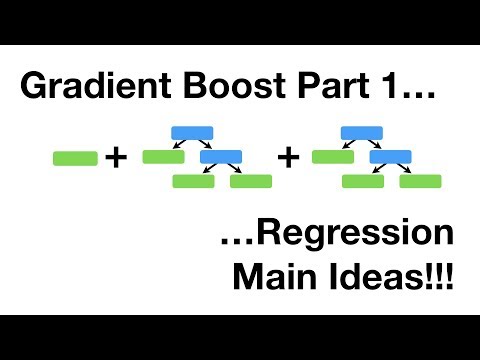
Have you ever tried to teach a dog a new trick? You show them once, they seem to get it, but then they just stare at you like, “What’s in it for me?” Well, that’s kind of how machine learning models work too. They need a bit of nudging and coaxing to get their act together. So here’s the scoop: gradient boosting machines are like that patient dog trainer who keeps refining their methods until the pup finally flips over and rolls on command. These models learn from mistakes, just like we do, getting better with each iteration. It’s wild stuff! Think about it: they can tackle complex problems in data science and come up with insights that even seasoned experts might miss. Every time … Harnessing Gradient Boosting Machines for Data Science AdvancesRead more
Supervised Machine Learning Algorithms in Scientific Research
So, here’s a funny thought: imagine teaching your dog to fetch by showing them only a tennis ball and hoping they guess what you want. Sounds ridiculous, right? Well, that’s kinda how supervised machine learning works—except it’s way cooler and involves tons of data instead of furry friends. Picture this. You’ve got a treasure trove of information. You know what those little nuggets are, but you need to train your computer buddy to recognize them too. That’s what supervised learning does—it’s basically giving your computer a cheat sheet. You might be asking, “But how does this tie into scientific research?” Well, let me tell you! Scientists are using these algorithms to analyze data faster than I can finish my morning coffee. From predicting disease outbreaks … Supervised Machine Learning Algorithms in Scientific ResearchRead more
Harnessing Random Forest in Python for Scientific Research
So, picture this: you’re at a party, right? Everyone’s chatting about their latest Netflix binge, and there you are, trying to sound cool while secretly thinking about data analysis. Yeah, I’ve been there. Now, what if I told you that there’s this super handy technique called Random Forest that can turn your mountain of data into something meaningful? Sounds kinda magical, huh? Well, it’s not sorcery; it’s just really smart math! Basically, Random Forest is like having a squad of tiny decision-making trees that work together to help you figure stuff out. And trust me, it can be a game changer for scientific research. So grab your laptop and let’s unpack this together! Leveraging Random Forest Algorithms in Python for Enhanced Scientific Research: A Practical … Harnessing Random Forest in Python for Scientific ResearchRead more
One Class SVM for Novelty Detection in Data Science
So, picture this: You’re scrolling through social media, and you stumble upon a video of a cat that can play the piano. You’re like, “What in the world?” It’s totally out of the ordinary, right? That’s kind of how novelty detection works in data science. It’s all about picking up those weird, unexpected signals among the usual noise. And trust me—cats playing pianos are just one of many surprises life throws at us! Now, let’s talk One Class SVM. Sounds fancy, huh? But really, it’s just a powerful tool that helps us find those unusual patterns or instances in data without needing a ton of examples to compare against. Imagine trying to spot a unicorn in a field full of horses. If you only know … One Class SVM for Novelty Detection in Data ScienceRead more
Harnessing Random Forests for Advanced Machine Learning Solutions
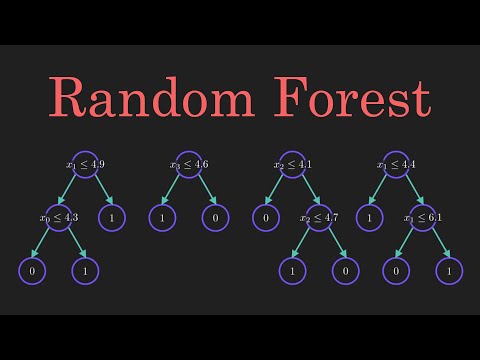
So, picture this: your buddy decides to bake a cake but throws in a little bit of everything from the pantry. You’ve got flour, chocolate chips, sprinkles, and maybe even some leftover pizza toppings. Weird combo, right? But somehow, it turns out amazing! That’s kind of what Random Forests are all about in machine learning. You see, in the world of data science, we often deal with a ton of messy information. Just like that chaotic cake batter, things can get complex fast! That’s where Random Forests come into play. They’re like having a team of expert bakers (or data trees) working together to whip up something delicious out of all that chaos. It’s wild how these algorithms take a bunch of different decision trees—think … Harnessing Random Forests for Advanced Machine Learning SolutionsRead more
Evaluating Model Performance with ROC Curve Techniques
You know those times when you’re pretty sure you’ve nailed a decision, but then you question it later? Like, did I really choose the best option? That’s kinda how model performance works in data science. Imagine trying to decide which of your friends would be the best karaoke partner. You want someone who can sing well but also doesn’t turn every song into a tragedy. That balance is key! In the world of predicting outcomes, we’ve got this nifty tool called the ROC curve that helps us see just how good our model really is. It’s like holding up a mirror to your karaoke buddy’s potential—are they hitting those high notes, or is it more of a cat in distress situation? The thing is, evaluating … Evaluating Model Performance with ROC Curve TechniquesRead more
Effective Data Splitting with scikit learn’s Train Test Split
You know that feeling when you finally ace a tough exam, but then the teacher surprises everyone with a pop quiz right after? It’s like, whoa, can’t I just celebrate my victory in peace? Well, data splitting is kinda like that. When you’re working with data, you don’t want to just throw it all in one big pot and hope for the best. You need to test your skills, right? That’s where scikit-learn’s Train Test Split comes in. It’s like having your cake and eating it too, but with datasets. Imagine this: you’re at a party and wanna impress everyone with your amazing dance moves. You wouldn’t just bust out your best moves without warming up first. You’d practice a bit before showing off! Data … Effective Data Splitting with scikit learn’s Train Test SplitRead more
Harnessing Random Forests in Scikit Learn for Data Science
So, picture this: you’re at a party, right? And someone brings up the topic of, like, trees. But not just any trees—random forests. Okay, I know it sounds kinda weird. But trust me, these aren’t the kind of trees you climb or hang out under. Random forests in data science are like that friend who knows a little bit about everything and can totally help you win trivia night. They’re all about making decisions based on loads of information without going nuts trying to figure it all out. It’s super handy when you’re drowning in data and need a solid way to make sense of it. Now, if you’ve ever dabbled with Scikit Learn, you’ll see how easy it is to throw these forest giants … Harnessing Random Forests in Scikit Learn for Data ScienceRead more
K Nearest Neighbor: A Key Technique in Machine Learning
So, picture this: you walk into a crowded party, and your job is to find your best friend in a sea of strangers. You might scan the room for those familiar features, right? Well, that’s kinda how K Nearest Neighbor works in machine learning! It’s like having a superpower that helps computers make sense of data by looking for similarities. Imagine trying to figure out what type of animal is in a photo just by peeking at similar ones. That’s the magic of KNN in action! Finding patterns in piles of information can sound pretty geeky at first, but it’s actually all around us. From movie recommendations to spotting email spam, this technique plays a sneaky role everywhere! So buckle up! We’re gonna take a … K Nearest Neighbor: A Key Technique in Machine LearningRead more