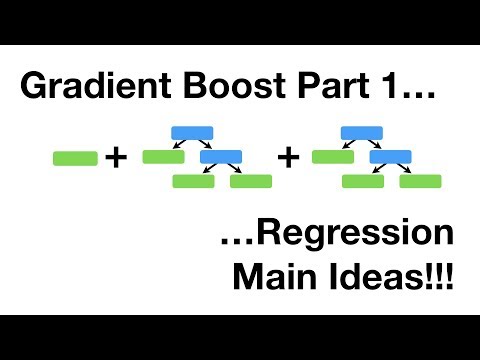
So, picture this: you’re at a party, and your friend starts talking about their latest obsession—machine learning. You nod politely, but inside, you’re thinking, “What the heck is a boosting machine?”
Well, here’s the thing: light gradient boosting machines are like that underdog superhero. You don’t notice them at first, but then they start pulling off some serious feats in data science. Seriously!
Imagine trying to predict the weather or figure out which movie you’d love next. These clever little models are hard at work behind the scenes!
And it’s not just boring numbers and graphs; it’s like magic happening in the world of data. Once you see how these techniques play out, you might start viewing those rainy days or endless streaming options with a new perspective.
Ready to geek out a bit? Let’s break down this whole light gradient boosting machine thing together!
Leveraging Scikit-learn for Advanced Data Analysis in Scientific Research
Sure! When you think about scientific research these days, data plays a massive role. It’s like the fuel for all those cool discoveries. Now, when it comes to diving into this sea of data, tools like Scikit-learn come into play. It’s a library in Python that makes data analysis feel way less intimidating.
Scikit-learn is super user-friendly. Basically, it provides a bunch of algorithms for machine learning and data mining—like decision trees and clustering. One of its most powerful features is how easily you can implement Gradient Boosting Machines (GBMs). These are basically fancy ways to predict outcomes by combining lots of simple models. Think of it like team sports, where each player (or model) has a specific strength, and together they bring home the trophy.
So, what’s up with the **Light Gradient Boosting Machine**? Well, it’s like a turbocharged version of GBMs. It’s designed to be more efficient and faster while handling huge datasets. You see, in science, we often work with massive amounts of information—like gene sequences or climate data—and we need our tools to keep up without crashing.
Let’s dig into how Scikit-learn plays nice with these light GBMs:
I remember when I first helped out on a research project analyzing ocean temperature data — we had tons of readings from different depths and locations. We tried using traditional methods but hit walls everywhere with complexity and volume. Finally, someone suggested Scikit-learn paired with light GBM techniques. The results were almost magical! Our predictions improved dramatically without adding extra hours of work.
But it doesn’t stop there; visualizing your findings can be equally important in research! You’ve got libraries like Matplotlib or Seaborn that pair well with Scikit-learn for creating beautiful charts that help convey complex data stories simply.
In short, leveraging Scikit-learn for advanced analysis not only streamlines your workflow but also enriches the quality of your findings in scientific research. So whether you’re crunching numbers on climate change or analyzing medical records — embracing these techniques could totally change the game!
Exploring Recent Advancements in Light Gradient Boosting Machine Techniques Using Python for Scientific Applications
Light Gradient Boosting Machines (LightGBM) have gained a lot of traction lately, especially in scientific applications. So, what makes it tick? Well, the key feature here is how it optimizes both speed and efficiency during the training of large datasets. It’s like having a really fast car that also gets great mileage!
One of the coolest things about LightGBM is its ability to handle huge amounts of data without breaking a sweat. You’re probably thinking, “How does that even work?” It uses a technique called gradient-based one-side sampling, which basically means it picks representative samples to train on rather than using everything. This speeds things up while still keeping accuracy high.
Another nifty innovation in LightGBM is exclusive feature bundling. Imagine you have two features that are usually not true at the same time—you bundle them together. This reduces the complexity and helps with memory usage. It’s kind of like packing your suitcase smartly to save space!
Now let’s talk about using Python with LightGBM. Python makes it super accessible for anyone interested in machine learning, and libraries like scikit-learn make integrating LightGBM into your projects pretty smooth. While coding, you can set parameters easily to control how your model learns, tweaking things like learning rate or maximum depth.
You might be wondering if this is only suitable for big data projects. Not at all! Even smaller datasets can benefit from these techniques to yield better insights faster. And that’s the beauty—you can adapt its power based on your needs.
For scientific communities tackling real-time data analysis—say in climate modeling or genomics—LightGBM offers solutions that are not just faster but also support better accuracy than older models. Imagine trying to analyze tons of climate data every second; LightGBM comes through like a champ!
But let’s not forget about tuning and testing those models! The process involves experimenting with various hyperparameters, cross-validation methods, and maybe even ensemble techniques for robustness. You don’t just throw some data at it and hope for the best; you have to work to get those golden insights.
Lastly, one emotional moment that sticks out when talking about advancements in this tech came from a scientist who was able to save months on data processing time thanks to LightGBM—allowing them more time for discovery rather than crunching numbers! It really shows how technology can transform lives and research paths.
So there you go! From its quick training processes and clever feature management to seamless integration with Python tools–Light Gradient Boosting Machines are definitely making waves across scientific fields today!
Recent Advances in Light Gradient Boosting Machine Techniques: A Comprehensive Overview in Scientific Applications
Hey! Let’s chat about Light Gradient Boosting Machines, or **LightGBM** for short. It’s one of those cool tools in the world of machine learning. Basically, it helps computers learn from data to make predictions or decisions—super useful stuff!
First off, **what is LightGBM?** It’s a framework that uses a special method called gradient boosting. Think of it like teaching a kid to get better at math by showing them their mistakes and helping them improve step-by-step. With machines, we feed them data, and they learn from errors in their predictions over time.
Now let’s dig into the recent advances. You know how technology is always moving forward? Well, researchers have been making some neat improvements to how LightGBM works:
- Speed: One big thing is the speed improvements. Recent updates allow for faster training times without sacrificing accuracy. This means you can whip up models quicker than ever.
- Memory Efficiency: Another advance is memory usage optimization. LightGBM can handle larger datasets while using less memory compared to older techniques. It’s like packing your suitcase more efficiently for a trip!
- Handling Categorical Features: Earlier versions needed some tweaking for categorical data (like names or colors). Now, it’s better at processing these types directly without too much hassle.
- Enhanced Accuracy: The accuracy of predictions has also improved with new algorithms that help LightGBM fine-tune where it makes decisions. This results in more reliable outputs, which is super important in fields like finance or healthcare.
Okay, but science isn’t just about numbers and algorithms—there are real-life applications here too! For instance, if you think about predicting disease outbreaks based on public health data, every second counts. With LightGBM running faster and more efficiently, health departments can react sooner.
Or consider e-commerce—you know that feeling when a site recommends products right when you need them? That’s often thanks to machine learning techniques like LightGBM analyzing customer behavior patterns.
And then there’s climate modeling! These models predict weather patterns and climate changes based on lots of complex variables. The efficiency gains from the latest advancements allow scientists to simulate different scenarios much quicker.
To wrap this up—Light Gradient Boosting Machine techniques are evolving at a fast pace and making waves across various scientific fields by combining speed with accuracy and efficiency! It’s exciting to think about where this will lead us next. Who knows what awesome discoveries await just around the corner?
Alright, let’s talk about this thing called Light Gradient Boosting Machine, or LGBM for short. Honestly, the name might sound a bit dry, but the science behind it is pretty cool.
So, picture this: you’ve got a ton of data, right? Maybe it’s about your favorite band’s albums over the years. You want to figure out which songs are likely to be bangers based on how people rated them in the past. That’s where LGBM steps in all sleek and shiny like a superhero ready to save your day—or at least your analysis!
Basically, what LGBM does is help you build a really smart model by learning from your data in a way that’s super efficient. Imagine trying to put together a huge puzzle. If you have a strategy—like starting with the edges—it makes things way easier! LGBM works in stages like that; it focuses on fixing mistakes from previous attempts and gets better as it goes along.
I remember when I first got into machine learning. I was struggling with traditional methods and feeling the weight of frustration. Then I stumbled upon these newer techniques like LGBM. Suddenly, everything clicked! It’s like finding that one missing piece of your puzzle—the whole picture just comes together.
One of the nifty things about LGBM is its speed. It can handle massive datasets without breaking a sweat, which isn’t something every algorithm can boast about. Plus, it can even work well with rough or messy data—like when you try to decipher some scribbled notes from a concert you went to years ago!
But hey, it’s not just for fun; businesses are using this tech too—to predict customer behavior or optimize their services. It’s pretty amazing how these advancements trickle down into real-world applications.
That said, there are still some bumps in the road—like tuning parameters or understanding feature importance—but those challenges just keep things interesting!
In short, Light Gradient Boosting Machine techniques are reshaping our approach to data analysis and modeling in ways that are nothing short of exciting! So next time you’re knee-deep in data and want answers quick fast, remember there are tools out there making those answers easier to find—I mean who doesn’t love that?