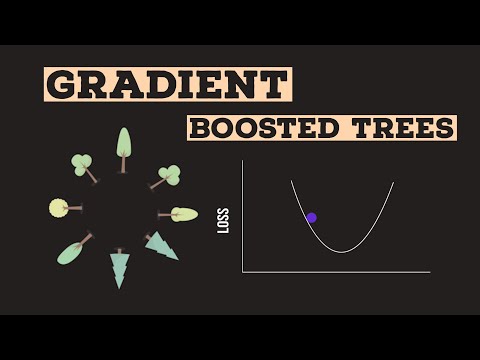
So, you know that moment when you’re trying to solve a puzzle, and you just can’t seem to find the last piece? You keep looking, rifling through everything, and suddenly—bam! You find it in the most unexpected place. That’s kinda how machine learning feels sometimes.
It’s like a wild adventure into this world of data. And one of the coolest ways to make those algorithms smarter is through something called gradient boosting. Sounds fancy, right? But basically, it’s just a clever trick that helps computers learn more efficiently from their mistakes.
Picture this: you’re teaching a toddler how to ride a bike. They fall down a lot, but each time they get back up, they learn what not to do. Gradient boosting is like giving them those little tips on avoiding the wobbly parts—so they get better and better with practice.
Ready to unpack this magic together? Let’s chat about what makes gradient boosting such a game changer in machine learning!
Understanding the Gradient Boosting Algorithm: A Key Technique in Machine Learning for Scientific Data Analysis
So, you’re curious about the Gradient Boosting Algorithm, huh? It’s a pretty cool technique in the world of machine learning, especially when it comes to analyzing scientific data. Basically, this method helps build predictive models that can make sense of complex data sets. Let’s unpack it a bit!
At its core, gradient boosting is all about combining multiple weak models to create a strong one. Picture having a class of kids trying to guess how many candies are in a jar. Individually, they might not be spot on—but as a group, pooling their guesses together could lead to a pretty accurate estimate! That’s kind of how gradient boosting works.
The way it does this is really neat. It starts by creating a simple model—like decision trees. These first trees might not perform great; they’re kind of like your friend who just started learning math and is still figuring out multiplication. But here’s the magic: after each tree (or round), the algorithm looks at its previous mistakes and adjusts accordingly. It learns from what went wrong. This is called gradient descent, which basically means it’s trying to minimize errors step by step.
You might be wondering why “boosting”? Well, boosting refers to how we keep adding these trees on top of each other, or “boost” their predictions over time until we have something strong and reliable! Each new tree focuses on those tricky parts where previous trees didn’t do so well—like making sure that friend finally gets multiplication right!
- Flexibility: One of the cool things about gradient boosting is its ability to handle different types of data—whether it’s numerical or categorical.
- Performance: It often outperforms other algorithms in terms of accuracy because it learns iteratively.
- Tuning: The downside? You’ve got to fine-tune lots of parameters for optimal performance; it’s not plug-and-play.
I remember my first encounter with this algorithm during my research project back in college. We were tasked with predicting environmental changes based on various factors like temperature and humidity. At first, I was overwhelmed by all the data points! Honestly thought I’d drown in spreadsheets! But once someone introduced me to gradient boosting, everything clicked into place—it made those insights jump right out at me!
The thing with gradient boosting is that it’s not just about having fancy algorithms, but also about truly understanding your data. You need clean and relevant information for it to work its best magic! And yeah, there are alternatives like random forests or even neural networks out there—but nothing beats the precision you can get through iterative improvements like those in gradient boosting.
If you’re looking into machine learning seriously for scientific purposes—or even just as a hobby—it’s definitely worth diving deeper into gradient boosting. That way, next time you’re faced with complex datasets, you’ll feel more confident tackling them head-on! Basically, remember: start simple, learn from errors and boost away!
Exploring the Impact of Gradient Boosting Machines in Scientific Data Analysis
So, gradient boosting machines (GBM) are, like, a big deal in the world of machine learning. It’s one of those techniques that can really pack a punch when it comes to analyzing scientific data. But what’s the deal with them? Let me break it down for you.
First off, gradient boosting is about building a model step by step. Imagine you’re trying to nail down this puzzle but the pieces just don’t fit right away. What you do is create an initial model and then look at where it messes up. Then you build another model that focuses on those mistakes. You keep stacking these models until they start working together better than your average team at trivia night!
One key feature of GBM is that it’s often used for both regression and classification problems. That means whether you’re trying to predict numerical values or categorize data points, GBM has got your back! For example, if scientists want to predict how much a plant grows under different light conditions, they can use GBM to analyze tons of different factors and figure out what really matters.
Now let’s talk about why gradient boosting machines are so powerful. They tend to outperform many other algorithms because they are great at handling various types of data without needing extensive preprocessing. Plus, they can manage interactions between variables really well—like if soil type and water amount impact plant growth together. Seriously cool stuff!
But hey, it’s not all sunshine and rainbows with GBMs. One downside to keep in mind is that they can be sensitive to noise in the data. If your dataset has a lot of random errors or outliers, then these models might get thrown off course pretty easily. It’s like trying to hold a conversation at a loud party—you might pick up some mixed signals!
When using gradient boosting, you also have options like choosing how many trees you want in your model or how deep each tree should go. More trees usually mean better performance but can lead to longer training times—a bit of a balancing act there! And while they’re powerful, tuning these parameters takes some expertise and time.
Here’s another fun point: gradient boosting machines have been applied in various fields from healthcare to finance! Researchers might use them to analyze patient data for predicting disease outcomes or even assessing risks in financial investments.
In the end, using GBMs means scientists have an awesome tool at their disposal for cutting through complex data analysis challenges—they just need to stay aware of its strengths and weaknesses! So if you’re ever knee-deep in data and feel lost with traditional methods, maybe give gradient boosting machines a shot; who knows what insights you’ll uncover?
Advancements in Machine Learning: Harnessing Extreme Gradient Boosting Algorithms for Enhanced Predictive Performance
Sure thing! Let’s talk about advancements in machine learning, specifically focusing on extreme gradient boosting algorithms. Sounds a bit techy, huh? But don’t worry; I’ll break it down for you.
So, **machine learning** is like teaching computers how to learn from data and make decisions or predictions. It’s all around us these days. From Netflix suggesting your next binge-watch to spam filters in your email, it’s everywhere!
Now, when we think of making these predictions more accurate and powerful, one approach that stands out is called **gradient boosting**. Think of it as a team effort among many little models that work together to improve overall performance. Pretty neat, right?
Essentially, in gradient boosting, you start with a simple model and gradually add more models that focus on fixing the mistakes of the previous ones. This way, each new model learns from where the last one went wrong. It’s like a sports team practicing together! They learn from previous games (or errors) and keep getting better.
Now, what makes **extreme gradient boosting**, or XGBoost for short, super special? Well:
- Speed: XGBoost is really fast compared to other methods. It uses some clever tricks to optimize performance without sacrificing accuracy.
- Flexibility: You can use it for different types of problems—like classification (where you’re sorting things into categories) or regression (predicting numbers).
- Regularization: This helps prevent overfitting—basically when your model learns too much about the training data and doesn’t generalize well to new data.
I remember when I first tried using XGBoost for a project predicting house prices. At first glance, it seemed complicated! But once I got into it and started tweaking some parameters, I got awesome results that left my friends amazed!
So here’s the thing: using extreme gradient boosting can really enhance predictive performance because it smartly combines multiple models while keeping everything efficient. It’s kind of like having a personal trainer who not only focuses on your strengths but also works hard on what might be holding you back.
Also worth mentioning is how this technique has been applied successfully across industries—like finance for credit scoring or healthcare for predicting patient outcomes.
In summary, advancements in machine learning through algorithms like extreme gradient boosting are paving the way for even smarter systems that can analyze complex data with impressive accuracy. Isn’t tech amazing? And who knows what else will come next? It’s a wild ride!
Alright, so let’s chat about gradient boosting algorithms, which is like the cool kid at the machine learning school. Imagine you’re trying to bake the perfect cake, but every time you do, something goes a bit off—maybe it’s too dry or not sweet enough. So, what do you do? You take notes on what went wrong and adjust your recipe for next time. That’s kind of how gradient boosting works.
With this approach, instead of creating one big fancy model that tries to nail everything in one go (which can be super tricky!), you build a series of simple models step by step. Each time a model is created, it learns from the mistakes of its predecessor. It’s like getting better at riding a bike; each fall teaches you how to keep your balance better next time. These “weak learners,” as they call them—think small decision trees—come together to form a strong, cohesive model.
The other day I was watching my niece try her hand at painting. She started with this bright yellow sun but then realized it looked a bit wonky next to the blue sky she painted later. Instead of throwing everything out and starting fresh, she added some clouds and maybe even a rainbow to balance things out. That’s exactly what gradient boosting does—it adds layers until everything looks just right.
One thing I find really interesting is how this method tackles bias and variance in data—a fancy way of saying it helps improve predictions while reducing mistakes on new data. It’s sort of like training for a marathon; if you just train on flat roads, you’ll struggle when faced with hills during the race! By learning from errors and making tweaks based on what worked and what didn’t, gradient boosting helps make those predictions more robust.
Of course, as great as it sounds—I mean who doesn’t wanna be super good at predicting stuff—there are some challenges too! For one, these models can get pretty complex if you’re not careful. Imagine trying to follow someone navigating through a crowded market while carrying groceries; after a while, it feels overwhelming! But when handled right? They can seriously pack a punch in areas like finance or healthcare where clear insights can save lives or money.
So yeah, diving into gradient boosting algorithms is like exploring an intriguing maze with twists and turns that lead to powerful possibilities in machine learning. And who knows? Maybe one day you’ll create that perfect “cake”—or in this case model—that solves complex problems we didn’t even know needed solving!