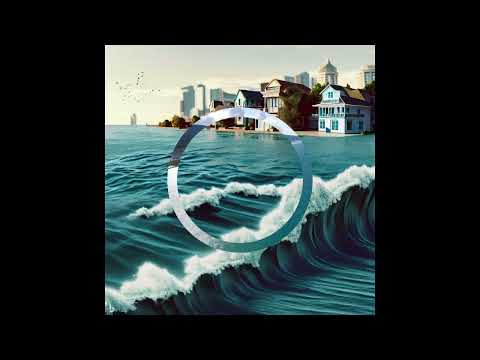
You know that feeling when you’re at the beach, and the waves just keep creeping up closer and closer? It can be fun until you realize your towel is about to get wet. Well, for many coastal communities, that’s not just a summer annoyance anymore—it’s becoming a serious issue.
Sea level rise is like that persistent tide you can’t escape. And it’s not just washing away your favorite sandcastle; it’s affecting homes, businesses, and ecosystems in real ways. Imagine waking up one day to find your neighborhood has turned into an unintended waterfront property!
I remember visiting this charming little seaside town a few years ago. The locals were talking about how they’d seen their beaches disappear year after year. It’s like watching a slow-motion disaster unfold—really makes you think about what our shores will look like in the future.
So, let’s chat about sea level rise and why it matters to everyone—especially those living near coasts. Buckle up; it’s going to get interesting!
Impact of Sea Level Rise on Coastal Communities: Scientific Insights and Consequences in 2022
So, let’s talk about sea level rise. This is one of those things that sounds like it’s straight out of a sci-fi movie, but it’s happening right now, and it’s affecting the way people live in coastal areas. You know how when you go to the beach, sometimes the water comes up higher than expected? Well, imagine that happening all the time. That’s what many coastal communities are facing.
Basically, sea levels are rising for a couple of major reasons. First off, there’s melting ice from glaciers and polar ice caps. As the planet warms up due to climate change, ice is melting faster than before. And then there’s something called thermal expansion. When water heats up, it expands. So, our oceans are literally getting bigger! Crazy, right?
The impact on coastal communities? Huge! Here are some key points:
- Flooding: Increased flooding during storms is a big deal. More frequent and intense storms mean more water pushing inland.
- Erosion: Beaches and shorelines are washing away quicker. This affects homes and businesses right on the brink.
- Saltwater intrusion: When sea levels rise, saltwater can seep into fresh water supplies. Imagine turning on your tap only to get salty water!
- Affecting ecosystems: Wetlands and habitats that protect coastlines are at risk. Losing these makes everything more vulnerable.
I remember visiting a small coastal town a few years back; everyone was super friendly. They talked about how their houses used to sit far from the shore but now they got hit by high tides regularly. Seriously heart-wrenching to hear how this is their new normal.
The consequences aren’t just environmental; they’re economic too! Businesses that rely on tourism—think beach rentals or seafood restaurants—are struggling when tourists face constant flooding or beach erosion. It gets tricky because people might even have to move away if things get too bad.
You might be wondering what can be done about this situation? Well, there are various strategies communities can consider: building stronger sea walls or restoring natural barriers like mangroves and wetlands can help combat some effects of rising seas.
But it takes community effort and funding to put those plans into action! And here’s the kicker: while scientists continue to study these changes in detail, understanding your own local impact can be empowering for individuals living in affected areas.
In summary: sea level rise is reshaping our coastlines and touching lives in ways we can’t ignore anymore. Whether it’s through flooding or economic shifts or environmental changes… it’s all interconnected. Staying informed? That’s step one toward making meaningful choices for our future.
Comprehensive Sea Level Rise Projections: An In-Depth Mapping Analysis for Climate Science
So, let’s talk about sea level rise. It’s a big deal, especially if you live near the coast or have family there. A changing climate is causing oceans to swell, and that’s not just because of all the ice melting. It’s a combo of factors, including thermal expansion, which is when water heats up and takes up more space. Pretty interesting, huh?
Why does this matter? Well, coastal communities are on the front lines. When sea levels rise, it can lead to flooding, erosion, and even displacement of people living in those areas. Think about it: places like Miami or New Orleans face severe risks because they’re so close to sea level.
There are a ton of projections out there on how much sea levels might rise in the future. Researchers look at different emissions scenarios and climate models to predict what could happen over time. Some estimates say we might see a rise of one to two meters by 2100 if we don’t curb emissions significantly. That’s like saying goodbye to a whole chunk of land!
- Melting Ice Sheets: The Greenland and Antarctic ice sheets hold more than 90% of the world’s freshwater ice; as they melt, they contribute significantly to rising seas.
- Thermal Expansion: When ocean water warms up due to heat from global warming, it expands – this alone accounts for about half of the observed sea level rise.
- Sinking Land: Some areas are slowly sinking due to geological and human activities like groundwater extraction. This makes them even more vulnerable.
It gets emotional when you think about communities facing existential threats from this phenomenon. Imagine you’ve lived your whole life in a beach house passed down from your grandparents—only to find out that within decades it could be underwater!
There are also direct consequences for ecosystems out there—coral reefs and wetlands are hit hard by even small changes in sea level or salinity. These habitats can’t adapt quickly enough, leading to losses in biodiversity.
So what can we do? Well, that’s tricky! Cities are trying different strategies. Some are building barriers or restoring wetlands as natural buffers against rising waters; others are looking into relocating entire populations! But these solutions take time—and money.
And let’s not forget the role tech plays here too! Using mapping tools and satellite images helps scientists visualize where these changes will happen most dramatically; this isn’t just some abstract concept anymore—it impacts real lives every day.
That said, whatever happens next depends on our actions now—so staying informed and pushing for smart policies is super important! You see how everything links together? The science is complicated but absolutely vital for understanding our future with rising seas.
Understanding the Impact of Rising Sea Levels on Human Populations: A Scientific Perspective
Rising sea levels are a big deal, and they’re affecting people living in coastal areas all over the world. You might be thinking, “What’s the fuss?” But imagine waking up to find that your favorite beach is now just a memory or that your house is at risk of flooding every time there’s a storm. It’s not just a future issue; it’s happening right now.
So, why are sea levels rising? Basically, two main things are going on. First, glaciers and ice sheets are melting, pouring more water into the oceans. Second, when water heats up, it expands. They call this thermal expansion. And guess what? The planet’s getting warmer thanks to climate change. That means more melting ice and expanding water.
You may have heard of places like Miami or New Orleans struggling with high tides and storms. Some neighborhoods in these cities are facing “sunny day flooding,” where streets fill with water even when it’s not raining! This isn’t just annoying; it can cause serious damage to homes and infrastructure.
Let’s break it down a bit further:
- Impact on Homes: Rising waters can lead to home damage or even make areas unlivable.
- Economic Consequences: Coastal areas rely on tourism and fishing for jobs. If beaches disappear or businesses flood regularly, that could mean layoffs.
- Migrations: People might have to leave their homes because of increasing floods or saltwater intrusion into freshwater supplies. Think about the communities that need to move inland — that’s like uprooting a whole way of life!
- Ecosystem Changes: As sea levels change, so do habitats for animals and plants. Coastal ecosystems like mangroves and wetlands help protect shorelines but are getting eroded.
And speaking of erosion — did you know that some islands in places like the Maldives might disappear completely if sea levels keep rising? It’s heartbreaking to think about entire cultures potentially vanishing.
Then there are storm surges, which can be triggered by hurricanes or intense storms. When you combine high tide with strong winds from storms, it’s like adding fuel to a fire — the flooding becomes much worse. Just look at Hurricane Sandy in 2012; it devastated parts of New York and New Jersey because the ocean waters surged into low-lying neighborhoods.
Now let’s talk about solutions because all hope isn’t lost! Communities are starting to adapt by building **sea walls**, restoring wetlands (which act as natural barriers), and even considering “managed retreat,” which means safely relocating people away from high-risk areas.
But here lies a challenge: adapting costs money — billions of dollars! Many small communities don’t have those resources available. That’s where organizations step in; they often help provide funding and support to vulnerable areas.
So yeah, rising sea levels affect us all — not just coastal folks but everyone who loves our planet! Addressing climate change is key if we want to slow down this trend so we can enjoy our shorelines a little longer before we face decisions none of us ever wanted to make.
Sea level rise is one of those topics that can feel overwhelming, right? I mean, just the thought of it makes you stop and think about all those coastal towns and cities. Imagine a sunny day at the beach, kids building sandcastles with their parents—such a picturesque scene. But what if that beach started to disappear?
You see, as our planet warms up, glaciers and ice sheets are melting. This melting adds more water to the oceans, which causes sea levels to rise. It’s like filling up a bathtub a bit too much—you know it’s going to overflow eventually! For coastal communities, this rise isn’t just a numbers game; it’s about homes, livelihoods, and entire ways of life.
I remember visiting a small fishing village by the sea last summer. The locals were so proud of their heritage—it was all about community gatherings on the dock after long days at sea. But when they talked about rising waters encroaching on their land, there was this heaviness in their voices. You could sense the fear of losing something irreplaceable.
Flooding is one big concern with rising sea levels. Communities face increased risks during storms—think homes being damaged or even washed away! But it’s not just physical damage; there’s an emotional toll too. People have roots there; moving away isn’t just packing boxes; it’s leaving behind memories.
And oh man, let’s talk about saltwater intrusion! Basically, as sea levels rise, salty ocean water can sneak into freshwater aquifers—the very source of drinking water for many places. This means less clean water for folks who’ve relied on these sources for generations!
There are efforts underway to combat these issues: building higher seawalls or restoring mangrove forests that help absorb storm surges. Some areas are even exploring “managed retreat,” which sounds kind of drastic but might be necessary in certain situations.
It feels really daunting thinking about all these changes looming ahead. Yet I think it’s so important for everyone living in coastal areas—or anywhere really—to have conversations about this stuff. Because at the end of the day, it doesn’t just affect those living right by the ocean; climate change is our issue too—it connects us all somehow.
So yeah, as we hear more stories from communities facing these challenges head-on, let’s listen and learn from them—they’re showing us not only what they’re losing but also how resilient humans can be when faced with uncertainty.