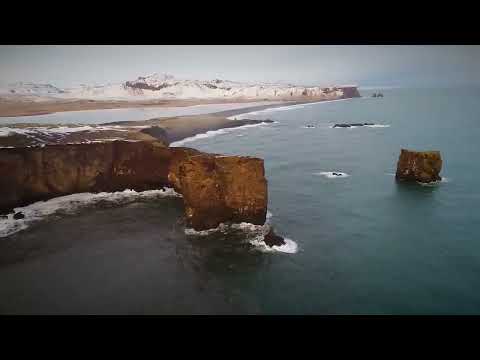
So, picture this: you’re chilling at the beach, enjoying the sun and waves. Suddenly, a wave crashes right where you were sitting. Classic move, right? But wait—what if that wave didn’t recede and just kept coming?
That’s kinda what’s happening with sea level rise these days. It’s like our oceans are pulling a sneaky trick on us. NASA has been keeping a close eye on all this, and believe me, they’ve got some wild insights to share.
You might think sea level rise is just about losing beaches or not getting that Insta-perfect sunset shot anymore. But it’s way more serious than that! It impacts our homes, wildlife, and even our daily lives. So let’s chat about what NASA has found and why it should matter to you!
Understanding Projected Sea Level Rise by 2050: Implications for Coastal Ecosystems and Human Communities
You know, when we talk about sea level rise, it feels a bit like watching a slow-motion train wreck. It’s happening, and it’s got some real consequences for both us and the natural world. By 2050, scientists estimate that global sea levels could rise between 1 to 2 feet due mainly to climate change. This isn’t just a number; it’s going to change everything.
So, what exactly causes sea levels to rise? Well, there are two big players: thermal expansion and melting ice. When water heats up—like when you leave a glass of water in the sun—it expands. And then there’s all that ice melting from glaciers and ice sheets. Remember seeing those dramatic images of polar bears on shrinking ice? Yeah, that’s what we mean! As these massive ice formations melt, more water flows into our oceans.
This rise isn’t uniform everywhere; some places will see higher increases due to land sinking or ocean currents changing. But there are serious implications for coastal ecosystems and human communities.
- Coastal Erosion: With rising waters, beaches and shorelines can start to disappear. This erosion affects habitats like mangroves and dunes that protect coastlines.
- Saltwater Intrusion: When the ocean creeps inland, it pushes salty water into freshwater sources. You can imagine how much that messes with agriculture and drinking supplies!
- Increased Flooding: More frequent flooding during storms becomes the new normal. Think about those heavy rains in your area—now imagine them happening more often!
- Biodiversity Loss: As habitats change or disappear, many species may struggle to survive. Imagine coral reefs bleached out by heat—this loss hurts marine life and local fishing economies.
- Displacement of Communities: Some human communities will face relocation because their homes could be underwater by 2050. It’s alarming when you think about towns having to pack up everything and move!
I remember visiting a coastal town with my family when I was younger—the sound of waves crashing against the shore was magical. But now I think about how that beautiful spot could be threatened by rising tides someday! It really brings home how important this issue is.
The good news is scientists are keeping a close eye on all this stuff! They’re using satellites—like those from NASA—to measure changes in sea levels accurately over time. This info helps coastal planners figure out how best to respond before things get out of hand.
The thing is, awareness is key here! If we keep talking about projected sea level rise and its impacts on both ecosystems and human lives, we can better prepare ourselves for what lies ahead. And who knows? Maybe we can even make smarter choices today that help shape a better future for our coasts! So let’s stay informed because every drop counts!
Comprehensive Sea Level Rise Projections: Interactive Mapping and Scientific Insights
So, let’s chat about sea level rise, a topic that’s been making waves—pun totally intended! It’s not just a science nerd thing; it actually touches everyone in some way. You might be thinking, “Okay, but what does that even mean for me?” Well, grab a seat and let’s break it down!
First off, **sea level rise** is basically when the oceans get higher. This happens for two main reasons: **melting ice caps** and **thermal expansion**. You know how when you warm up a drink, it kind of expands? That’s what happens to water in the ocean as the planet heats up.
Now, NASA has been doing some incredible stuff to help us understand this better. They have this interactive mapping tool that lets you see projections of how high sea levels might rise by 2050 or even 2100. It’s like playing with a crystal ball but based on real data!
Here are some key insights from NASA:
- **Global averages**: By 2100, seas could rise by 1 to 2 feet—maybe more if we don’t cool things down.
- **Regional differences**: Not every place is affected equally. Some coastal areas could experience rises of over 3 feet!
- **Flood risks**: With rising waters, areas currently safe could face flooding during storms or tides that never used to be an issue.
This is not just numbers thrown at you. Think about your hometown or your favorite beach spot! Imagine if the pier where you learned to fish was underwater in a few decades—that’s pretty wild.
And here’s where the mapping part gets super exciting! You can zoom in on your location and see potential future flood scenarios based on different amounts of sea level rise. If you’ve never browsed these maps before, I highly recommend it—you might be shocked by what you find!
Alrighty then! Another important point is the implications for human life and ecosystems:
- **Communities at risk**: People living along coastlines might have to relocate.
- **Ecosystems changing**: Wetlands and habitats could disappear or drastically change.
- **Economic impacts**: Think of all those businesses relying on tourism; rising seas could really shake things up.
Just imagine an entire island community needing to pack up because their homes are going underwater. That’s not just sad; it raises tons of questions about fairness and resources too.
Lastly, it’s crucial we start paying attention now. The sooner we grasp these changes and their potential impacts, the better equipped we’ll be to tackle them together. Plus, knowing this helps spark conversations about sustainable practices or ways to protect our shorelines.
So there you have it! Sea level rise isn’t just an academic topic; it has real effects on our lives and the planet as a whole. Keeping informed through tools like NASA’s interactive map can really put things into perspective—and who knows? Maybe it’ll inspire us all to do our part in protecting the environment!
Sea Level Rise 2024: Impacts, Trends, and Scientific Insights for Coastal Resilience
Alright, let’s talk about sea level rise. It’s a big deal, and things are changing fast. For 2024, we’re really starting to see the impacts unfolding and how they affect our coastlines. And, well, you might’ve heard that NASA has been doing some cool stuff to track these changes. So, what’s the scoop?
First off, sea levels are rising mainly due to two reasons: melting glaciers and thermal expansion. When the planet warms up, glaciers and ice sheets start melting like ice cream on a hot summer day. As they drip into the ocean, water levels go up. Plus, warmer water actually expands! It’s like blowing up a balloon—more heat equals more space taken up by water.
This isn’t just some future issue; it’s happening now! Coastal cities like Miami and New Orleans are already feeling the pinch. In Miami, king tides are flooding neighborhoods that never saw water before during high tides. Seriously! Imagine stepping outside and finding your street underwater—it’s wild!
- Impacts on Ecosystems: Rising seas mean ecosystems struggle to adapt. Marshes could be submerged before they can grow back.
- Economic Consequences: Places that rely on tourism or fishing face major shifts in their economy as beaches erode or areas become uninhabitable.
- Socio-Political Issues: Communities may have to relocate due to flooding risks, leading to loss of homes and culture.
A great example is the situation in Louisiana where delta regions are sinking while sea levels rise—a double whammy! They’re losing land at an astonishing rate of about a football field every hour! Think about that for a sec—your favorite scenic spot could disappear in years!
The trends show no sign of slowing down either. According to NASA’s data from satellite observations, we’ve seen around an 8-9 inch rise globally since 1880! That might not sound like much at first thought but consider what happens when storms hit—higher seas mean more dangerous storm surges every time we have bad weather.
If we want to improve coastal resilience (basically making sure our coasts can handle this), scientists suggest a mix of approaches:
- Nature-Based Solutions: Restore mangroves or wetlands that act as barriers against storm surges.
- Infrastructure Upgrades: Invest in better seawalls and drainage systems capable of handling higher water levels.
- Sustainable Practices: Reduce emissions globally so we can slow down those rising temperatures—and ultimately slow down sea level rise.
You see? There’s no magic bullet here; it’s all about adapting and fighting back together as communities while being informed by science—and NASA’s insights really help with that!
The thing is you don’t have to be a scientist to understand these impacts—you just gotta pay attention! Staying informed means being part of solutions for your area too. We all share this planet; if one place gets hit hard by climate change, it feels effects everywhere else!
If you’re near the coast or even just curious about these changes—check local news or community meetings discussing climate action plans in your area. Your voice matters because every little bit helps us figure out how we keep our shores safe for generations ahead!
So, let me tell you about this thing I stumbled upon recently: NASA’s research on sea level rise. It’s kind of wild how much information they have out there. You know, sometimes you think about the ocean—like, it’s just this big blue blanket covering most of the Earth, and it feels pretty stable. But then you read about how it’s creeping up on us, and it’s a different story!
Here’s the deal. NASA has this whole bunch of satellites that constantly measure things like ice melt from glaciers and the temperature of ocean waters. It’s not just science fiction; it’s real data being collected every day. I remember once watching a documentary where they showed images of glaciers shrinking over time—those massive icebergs that look like they could last forever but are melting like popsicles in the sun! That was an eye-opener for me.
The implications of sea level rise are serious, though. We’re talking about coastal cities facing flooding more often than ever before. Imagine your childhood beach getting swallowed up by water! Places where people grew up could be gone—a bit haunting to think about, right? You can sense the urgency in NASA’s work as they try to get ahead of these changes.
It’s not just about homes getting wet; ecosystems are at risk too. Sand dunes that keep waves at bay? They might not hold up as well when seas get higher—so beach wildlife could be impacted too! Honestly, it makes you reflect on how interconnected everything is: our lives, nature, all of it.
So yeah, NASA’s insights really hit home—not just with numbers and graphs but with stories of communities adapting or fighting to keep their land above water. It’s this mix of hope and concern because while we can see what’s happening thanks to their research, we also know there’s still a lot we can do to change the future trajectory.
You think about what legacy we’re leaving behind during all this chaos around climate change—and it’s unnerving yet motivating at the same time. The key takeaway is that awareness matters; knowing what’s happening helps us take action before it’s too late! What a ride we’ve got ahead if we can gather ourselves together for it!