You know, I once took a beach trip that changed my life. Picture this: me, frolicking in the water, building sandcastles like a five-year-old. Suddenly, the waves came crashing in like they were mad at me for actually thinking I could build something lasting. It was hilarious and kind of sad at the same time.
But the truth is, those waves might be even madder in 2100! Seriously, scientists are buzzing with talk about sea level rise. What’s going to happen to our beloved beaches? How high are we talking?
It’s not just about sandcastles anymore; it’s about communities and ecosystems. And yeah, it can feel overwhelming. But don’t worry! Let’s break it down together. You got this!
Future Climate Insights: Global Warming Projections for 2100 in Climate Science
So, let’s talk about what climate scientists are saying about global warming and sea level rise by the year 2100. It’s a pretty crucial topic, and honestly, it affects all of us.
First off, you may have heard that we’re heating up the planet. This isn’t just about warmer summers; it’s serious stuff. The average global temperature has already gone up around 1.1 degrees Celsius since the late 19th century. And if things keep going like this, we could be looking at an increase of 2 degrees Celsius or more by the end of the century. That might not sound like a lot, but it has huge implications.
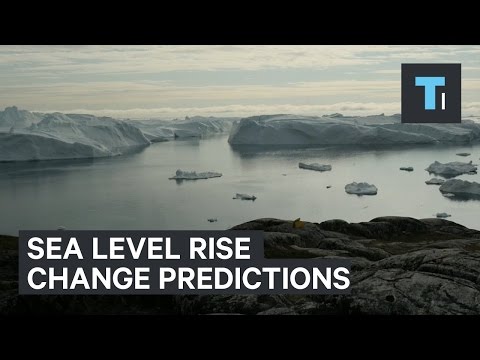
Now, let’s get into what this means for sea levels. You know how when ice melts in your drink, the water level rises? We’re seeing that same effect on a much larger scale with glaciers and ice sheets in places like Greenland and Antarctica melting away. According to research from various climate models, we’re looking at sea level rises between 0.3 to 2 meters (that’s about one to six feet) by 2100 depending on how much greenhouse gas emissions we produce.
- High Emissions Scenario: If we keep pumping out carbon emissions without any check—let’s say business as usual—we could end up with more than 2 meters of sea-level rise.
- Low Emissions Scenario: In contrast, if we act now to cut emissions significantly, we might stick closer to the low end of that estimate—around half a meter or so.
- Ocean Thermal Expansion: As water warms up from all this heat, it expands. This is another big contributor to rising sea levels.
- Affected Areas: Coastal cities like Miami, New York City or even Jakarta are particularly vulnerable to flooding and inundation.
What’s wild is thinking about real stories tied to these projections. For instance, think of people who live in places like Kiribati—a small island nation where whole communities are already facing relocation due to rising waters swallowing their land. It hits home when you realize people are being uprooted because of something many still debate today.
And then there’s ecosystems! Wetlands and mangroves provide habitats for countless species but can also act as natural barriers against storms and floods. As they vanish underwater or get too salty due to rising seas, not just human lives but entire ecosystems suffer too.
But here’s where it gets tricky: even if we were to magically stop emitting all greenhouse gases today (which isn’t happening), some level of warming is already locked in due to past emissions. This means that planning for adaptation is crucial.
You know what? Engaging with changes now could help mitigate some risks later on! Building better flood defenses or managing coastal regions sustainably could save lives and property down the line.
In summary: Climate change isn’t some distant threat—it’s already affecting us now and will continue doing so as we move toward 2100 if action isn’t taken seriously. So whether you’re keeping an eye on rising tides or just interested in how melting ice affects everyone around you—know that these insights into climate science matter for our shared future!
Projected Sea Level Rise by 2100: Impacts of Unchecked Global Warming on Coastal Regions
So, let’s talk about sea level rise because it’s pretty crucial, especially when you think about what it means for our coastal regions. Like, we might be living in some serious consequences if we don’t deal with global warming.
First off, **why is the sea level rising?** Well, the main culprits are twofold: melting ice from glaciers and polar ice sheets and the thermal expansion of seawater as it warms up. It’s like when you heat soup and it spills over a bit—same idea with the ocean!
Now, projections for sea level rise by 2100 can vary quite a bit depending on how much greenhouse gas emissions we continue to pump into our atmosphere. If things keep going unchecked, estimates suggest that we could see rises between **1 to 2 meters** (or even more!) by the end of the century. Can you even imagine?
So here’s where it gets real: coastal cities like Miami, New Orleans, or even New York could face some serious threats. Think about this: higher sea levels mean more frequent and severe flooding during storms. Just picture a hurricane hitting your town and flooding neighborhoods that used to be safe. That’s not a pretty thought.
Impacts on ecosystems are another biggie! Coastal wetlands and mangroves serve as crucial habitats for wildlife—if they get submerged or can’t adapt fast enough to rising waters, we’re talking loss of biodiversity! Marine life might struggle too as saltwater moves farther inland into freshwater ecosystems.
Speaking of communities, human impacts can’t be overstated either. People living in low-lying areas may have to pack up and move. Imagine being kicked out of your home just because your neighborhood is underwater?! It’s happening already in places like Kiribati where people are losing their homes because of rising tides.
But wait! Even if you don’t live near water, there are still ripple effects (pun totally intended!). Economic implications could be huge too—flooded properties mean insurance claims skyrocket and local economies take hits when businesses close due to damage or relocation.
To sum it all up:
- Melting ice caps & thermal expansion are causing sea levels to rise.
- Projections by 2100 suggest a 1-2 meter increase if emissions aren’t curbed.
- Coastal cities face increased flooding risks—think hurricanes!
- Ecosystems like wetlands may vanish along with wildlife habitats.
- Communities might have to relocate altogether—imagine leaving your home!
- Econ impacts will hit everyone through insurance costs & business closures.
So yeah, there’s a lot at stake with rising seas! Whether you’re near a coast or not, this issue touches us all in one way or another—and it’s definitely something we should all keep an eye on!
Comprehensive Sea Level Rise Projections Map: Insights and Implications for Climate Science
Sea level rise is one of those things that sounds like it belongs in a science fiction movie, but it’s happening right now. And if we look at projections for 2100, it gets pretty serious. The Comprehensive Sea Level Rise Projections Map gives us a clearer picture of what to expect and helps us understand the implications for climate science.
So, what are the basics? Well, sea levels are rising mainly due to two factors: melting ice sheets and thermal expansion. As the planet warms up, ice in places like Greenland and Antarctica is melting faster than ever. At the same time, water expands as it heats up. This combination means our oceans are getting bigger—literally!
Now, let’s break down some key points about these projections:
- The Numbers: Depending on how much we cut greenhouse gas emissions, projections suggest sea levels could rise between 0.3 to 2 meters (about 1 to 6.5 feet) by 2100.
- The Maps: The Comprehensive Sea Level Rise Projections Map shows which areas will be most affected. Coastal cities like Miami and New Orleans are particularly vulnerable, so you can see how urgent this issue really is!
- The Impacts: Higher sea levels can lead to more frequent flooding in coastal areas, threatening infrastructure and ecosystems. Think about storm surges during hurricanes; they’ll be more intense with higher baseline water levels.
- The Uncertain Future: Different scenarios depend on our actions today. If we keep burning fossil fuels at high rates, we might see the worst-case scenarios come true.
Now you might be thinking about that summer trip you took to a beach town or maybe your local coastline? It’s kinda wild when you realize those beloved spots could face significant changes. Like when I went kayaking in California last summer—one day I woke up and saw that the beach had moved farther back than I remembered from previous visits!
Scientists use a ton of data from satellites and tide gauges to create those maps you see online. They plug that info into models that estimate future changes based on various climate scenarios. It’s kind of like watching a movie where different storylines play out based on choices characters make—only this story is about us and the planet.
In summary, understanding sea level rise isn’t just for climate scientists; it’s for everyone who lives near coastlines or loves visiting them! These projections give us critical info about what’s coming our way if we don’t make some serious lifestyle changes now. So whether you’re an ocean lover or someone just trying to get through daily life, staying aware of how climate change can affect sea levels really matters!
So, sea level rise. It’s one of those topics that can really get you thinking, isn’t it? I mean, picture this: you’re at the beach, feeling the sand between your toes and watching the waves roll in. It’s beautiful and calming—but it also makes you wonder how much longer we’ll get to enjoy that view without any worries.
Scientists are saying that by 2100, sea levels could rise anywhere from a couple of feet to six feet or even more if things don’t change. That’s a lot! Imagine coastal cities like Miami or New York facing serious flooding every time there’s a storm. It kind of gives you chills, right?
The thing is, ice sheets in places like Greenland and Antarctica are melting faster than we want to admit. This melting isn’t just some distant problem; it’s happening now. I remember visiting a glacier on vacation a few years ago; I was amazed by its beauty but also felt this heavy sense of urgency knowing how quickly it was disappearing.
But let’s break it down a bit: the rising sea levels are mainly due to two factors—melting ice and thermal expansion. When water gets warmer, it expands (and yes, that PhD student in chemistry is nodding along right now). So as our planet warms up from climate change, not only do we have more water from melted ice flowing into oceans but also that water is taking up more space because it’s getting all cozy with the heat.
Now you might be thinking—what can I do about all this? Well, even though these projections can seem daunting, they also spark conversations about solutions. There are so many innovative ideas out there! From building seawalls to restoring mangroves—nature really does have some tricks up her sleeve for helping us adapt.
At the end of the day, reflecting on sea level rise reminds me of how interconnected we all are with this planet. Each little action counts! Whether it’s reducing waste or supporting sustainable practices—every bit helps pave the way for a healthier future for our oceans and shorelines. So yeah, while looking at those waves is nice now, we’ve got some work ahead if we want our kids or grandkids to enjoy them too!