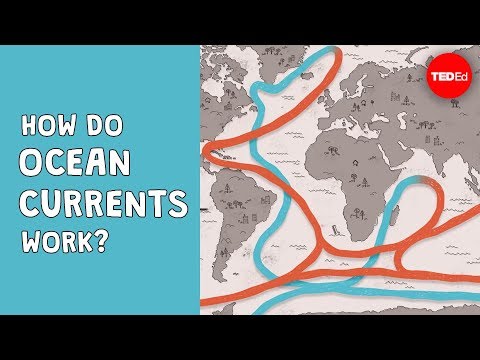
You know that feeling when you walk into the ocean and get smacked in the face by a wave? Yeah, it’s not just water splashing around. It’s all part of a bigger picture, my friend—sea currents! These currents are like highways for our oceans.
Imagine fish zooming along on their morning commute or whales riding the waves like they’re on a rollercoaster. Seriously, sea currents are way cooler than we often think.
But here’s the kicker: they don’t just help marine life cruise through their watery home; they also play a huge role in our climate. Crazy, right? It’s like an invisible network connecting everything from coral reefs to weather patterns.
So let’s take a closer look at how these currents work their magic in ocean ecosystems and why they matter to us all!
The Critical Role of Ocean Currents in Marine Ecosystems: Impacts on Biodiversity and Climate
Ocean currents are like the highways of the sea. They move massive amounts of water around, influencing everything from weather patterns to marine life. Seriously, without them, our oceans and even our climate would be in a totally different place.
First off, let’s talk about biodiversity. Ocean currents play a major role in distributing nutrients throughout the water. These nutrients are crucial for phytoplankton, which is kind of like the foundation of the marine food web. Phytoplankton are tiny plants that live in the ocean and produce a ton of oxygen—like, more than all the forests on land combined! So, when currents stir up nutrient-rich water from the deep ocean to the surface, it creates these thriving hotspots filled with life.
Another key point: currents help to connect different ecosystems. Fish and other marine creatures migrate with these currents. For instance, certain species of tuna travel thousands of miles to spawn in specific areas where currents bring in food and provide safe breeding grounds. It’s like a giant underwater migration system that keeps things balanced.
But there’s more! The way currents move also affects temperatures across vast regions. Warm and cold water mixing influences local climates as well as global weather patterns. That’s why places like Europe have milder winters than you might expect for their latitude—thanks to warm ocean currents coming from the tropics!
Now think about what happens when these currents change due to climate change or human activities. Changes in temperature or salinity can shift current patterns, which may lead to shifts in fish migration routes or even local ecosystems collapsing if they can’t adapt fast enough.
Furthermore, there’s something called upwelling—a process where deep, cold waters move up towards the surface. This brings nutrients right back into play! Coastal areas with strong upwelling zones often see an explosion of marine life because they get a steady supply of food.
But here’s a thought: consider what happens during events like El Niño when these currents get all outta whack. It can result in warmer waters that disrupt breeding cycles for fish and lead to die-offs for species that rely on colder waters.
In short, ocean currents are not just moving water around; they’re shaping entire ecosystems and laying down some pretty essential groundwork for biodiversity and climate stability. So next time you think about oceans, remember those invisible highways and how critical they really are!
The Significance of Ocean Currents in Climate Regulation and Marine Ecology
Ocean currents are like the rivers of the sea, flowing through and around our vast oceans. These currents have a significant role in regulating climate and supporting marine life. Seriously, without them, our planet would look and feel really different!
When we talk about climate regulation, ocean currents help distribute heat across the globe. Imagine the sun heating up the ocean. Warm water travels along currents to places that are usually cold, like parts of Europe or North America. This balance keeps temperatures more stable and helps avoid extremes that could mess with weather patterns.
Now, let’s dig into how these currents support marine ecology. They transport nutrients vital for life in the ocean. Think of it this way: just like a delivery truck brings your favorite snacks to your house, currents carry essential nutrients from deep waters to the surface where tiny plants (phytoplankton) thrive. These little guys are crucial because they form the base of the entire marine food chain.
And it’s not just about nutrients! Ocean currents also play a role in reproduction for many marine species. For instance, some fish release their eggs into the water, and then the current carries them to safer areas where they can hatch away from predators. This is super important for maintaining healthy fish populations.
You might not think about this often, but ocean currents also influence weather patterns. The Gulf Stream is a great example; it warms air moving over it, impacting weather far away on land! A warm current can lead to milder winters in some regions while cooling down others.
But wait—there’s more! Currents also help regulate carbon dioxide levels. When surface waters absorb CO2 from the atmosphere, deeper currents transport it back down into the ocean’s depths where it’s stored for long periods. This process is essential in helping slow down climate change by keeping greenhouse gases out of our atmosphere.
So what happens if these currents get disrupted? Well, changes could lead to severe impacts on both climate and ecosystems. For instance, if we warm things up too much due to global warming, we could disrupt these delicate systems and end up with drastic shifts in weather or even species extinction.
In short: ocean currents are key players in balancing our planet’s climate and supporting diverse marine ecosystems. They’re like nature’s highways—crucial for transporting heat, nutrients, life…and yes—even carbon! So next time you take a walk by the beach or dive into those refreshing waves, remember all that powerful movement happening beneath the surface!
Understanding the Impact of Ocean Currents on Climate: A Comprehensive Guide for Class 9 Science
Ocean currents are like the highways of the sea. They move water around the planet and play a crucial role in influencing climate and weather patterns. Imagine you’re at the beach, and you feel a cool breeze coming from the ocean. That’s partly due to these currents. Let’s break it down so you can see how important they really are.
What Are Ocean Currents? Simply put, ocean currents are vast flows of seawater that can be driven by wind, temperature differences, salinity levels, and even the Earth’s rotation. There are two main types: surface currents and deep-water currents. The surface ones travel mainly in horizontal directions while deep-water currents move vertically and can circulate for thousands of years!
The Connection to Climate So here’s where it gets interesting. These currents affect temperatures across the globe. For instance, warm water movements from the equator towards the poles can lead to milder climates in places that would otherwise be quite chilly. A classic example? The Gulf Stream! This current brings warm water from Florida up to Europe, making places like Norway warmer than other regions at similar latitudes.
- Heat Transfer: Currents help transfer heat from equatorial regions toward polar areas, which keeps our planet balanced temperature-wise.
- Weather Patterns: Because they influence temperature, ocean currents also affect weather systems. Changes in these patterns can lead to storms or droughts in different parts of the world.
- Carbon Sequestration: Ocean currents also play a role in transporting nutrients and carbon dioxide in seawater, which is essential for marine life and plays into climate regulation.
You know what else is cool? When ocean temperatures change because of these currents—like during El Niño or La Niña—they can dramatically shift weather patterns worldwide. El Niño warms up parts of the Pacific Ocean, leading to warmer winters in North America but causing droughts in Australia! On the flip side, La Niña cools those waters down and often brings about opposite effects.
The Ripple Effect on Ecosystems It’s not just climate that gets affected; ecosystems do too! Think about fish populations—certain species thrive with warm waters while others prefer cooler temps. A shift in current strength or direction could potentially wipe out entire fish stocks or endanger other marine life that’s dependent on specific conditions.
- Nutrient Distribution: Upwelling zones—where cold water rises—are super rich in nutrients which support vibrant marine ecosystems and fisheries.
- Biodiversity Impact: Marine animals like whales migrate based on food availability related to current patterns; changes might disrupt their breeding grounds.
I remember seeing this documentary where a fisherman talked about how his catch changed dramatically over just a few years due to shifting ocean temperatures influenced by changing currents. He mentioned losing sight of certain species he relied on for his livelihood—a real eye-opener!
The Future: What Lies Ahead? Now here’s something to ponder: with global warming causing changes in sea temperatures and salinity levels, we’re likely looking at altered ocean current behavior moving forward. This could lead to unpredictable weather patterns around the globe!
Your takeaway? Ocean currents are vital players not just for marine ecosystems but for our entire climate system as well! So anytime you’re chilling by the beach or checking out a coastal city far from home remember those unseen flows playing their part behind the scenes.
You know, when you think about the ocean, it’s easy to get lost in the blue waves and pretty fishes. But there’s a whole hidden world beneath the surface that often goes unnoticed. I’ll never forget the first time I stood on a beach, just mesmerized by how powerful the ocean looks. The waves crashing, sea spray in the air—it was breathtaking. But what really blew my mind was realizing that all that water is constantly moving thanks to sea currents.
So here’s the thing: these currents are like highways for the ocean. They transport nutrients across vast distances, which helps not just fish but all sorts of marine life thrive. Imagine being a tiny plankton drifting along; you’d want a ride on one of those currents to reach new feeding grounds or find friends! Without these currents, many species would struggle to survive.
And it’s not just about marine life—these currents also play a major role in regulating our climate. Think of them as giant conveyor belts. Warm water from the equator moves toward the poles while cold water from the poles moves toward the equator. This movement affects weather patterns globally; it’s like they’re chatting with each other and sharing secrets about what kind of weather we might expect tomorrow.
But here’s something that kind of worries me: climate change is shaking things up quite a bit. As temperatures rise, some currents are slowing down or even changing direction. This could lead to more extreme weather conditions and disrupt ecosystems that rely on their stability—like coral reefs or coastal habitats.
I can’t help but feel a sense of urgency whenever I think about this interplay between sea currents and climate change. It just puts everything into perspective—our actions here on land can ripple across oceans far away, affecting creatures we may never see but are still linked to us in ways we can’t imagine.
So next time you’re at the beach or staring out at an expansive ocean, take a moment to appreciate not just its beauty but its complexity too! There’s so much happening beneath those waves—it’s alive with movement and connection!