Did you know that jellyfish can survive for, like, a really long time without their brains? Yeah, they don’t even have brains in the way we think about them! It’s wild, right? These squishy creatures float around in the ocean, doing their thing while marine biologists are out there trying to figure it all out.
So, what’s the deal with marine biologists? They’re not just swimming around in wetsuits and taking selfies with dolphins. Seriously, though. They play a super important role in protecting our oceans. Think about it: our oceans are like this huge treasure chest of life and secrets—so much is happening beneath those waves!
When you hear “marine biologist,” what comes to mind? Maybe tropical fish or coral reefs? But it’s way more than that. These dedicated folks investigate everything from tiny plankton to giant whales. Their work helps us understand how to keep our oceans healthy and thriving.
And let’s be honest—our oceans kinda need help these days. Climate change, pollution… It can be overwhelming! But there’s hope because these amazing scientists are on it. So grab your snorkel gear (or just your favorite drink) and let’s chat about what marine biologists do for ocean conservation!
The Vital Role of Marine Biologists in Advancing Conservation Efforts
Marine biologists play a crucial role in conserving our oceans. You might think, “What exactly do they do?” Well, let’s break it down.
First off, these scientists study marine life, including everything from tiny plankton to massive whales. Their research tells us about the health of ocean ecosystems. You see, the oceans are always changing, and understanding these changes is key to protecting them.
One of the main tasks of marine biologists is to assess the impact of human activities on marine habitats. For instance, they look at how pollution affects coral reefs or fish populations. It’s not just about counting species; it’s about understanding how everything connects in this huge underwater world.
- Monitoring Ecosystems: Marine biologists can monitor ecosystem health by collecting data on species diversity and abundance.
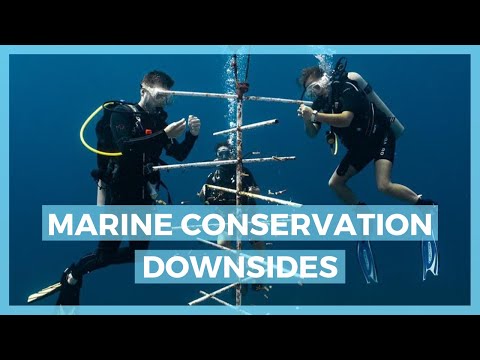
- Restoration Projects: They often lead restoration projects for damaged ecosystems like wetlands or reefs.
- Policy Influence: Their findings help shape policies that protect marine environments from overfishing and habitat destruction.
Imagine a coral reef being bleached due to rising ocean temperatures—marine biologists are there studying why this happens and what we can do to combat it. They gather important data that helps create strategies for conservation.
Now think about this—a few years ago, I was at the beach when I stumbled upon a group of people cleaning up the shoreline. One of them was a marine biologist who explained how plastic waste harms sea turtles and seabirds. Hearing them talk about ways we could all make a difference really opened my eyes.
A big part of their work involves community education, too. They share knowledge about sustainable practices that everyone can adopt—like reducing plastic use or supporting sustainable seafood choices.
So yeah, marine biologists aren’t just out there in scuba gear collecting samples; they’re also advocates for change! Their passion and expertise inspire others to care for our oceans.
In summary, the role of marine biologists is vital not just for understanding marine ecosystems but also for advancing conservation efforts worldwide. They bridge science with action, which is super important now more than ever as our oceans face serious threats like climate change and pollution. Every bit of research they conduct pushes us toward a healthier ocean!
Understanding the Distinction Between Marine Biologists and Marine Conservationists in the Field of Ocean Science
So, you’re curious about the difference between marine biologists and marine conservationists? That’s a super interesting topic! Both play crucial roles in ocean science, but they focus on different aspects of it. Let’s break it down.
Marine Biologists are like the detectives of the ocean. Their main job is to study marine life—think fish, dolphins, sea turtles, corals, and tons more. They’re all about understanding how these creatures live, interact with each other, and fit into their ecosystems.
For example, if a marine biologist is studying coral reefs, they might look at how corals grow or what affects their health. They could be checking out things like water temperature or pollution levels. Basically, they gather data and make observations that help us understand the underwater world better.
Now, on to Marine Conservationists. These folks take things a step further. While they also care deeply about marine life, their focus is mainly on protecting those ecosystems and ensuring sustainability for future generations. It’s like they’re the advocates for the ocean!
They use information gathered by researchers—like marine biologists—to create programs aimed at preserving habitats and species. So if a population of a certain fish is dwindling due to overfishing, a conservationist might work on policies to limit fishing quotas to help that population recover.
Here’s where it gets pretty cool: sometimes these two roles overlap quite a bit! You can find some marine biologists getting involved in conservation efforts because they want to put their research into action. And some conservationists have a background in biology because understanding how organisms work is key to making good decisions about protection strategies.
In summary:
- Marine Biologists focus on studying marine organisms.
- Marine Conservationists work on protecting these organisms and their habitats.
- The two fields often collaborate for better outcomes in ocean health.
So you see? Both professions are essential for keeping our oceans healthy and thriving! It’s really all about understanding and acting—together they’re creating a brighter future for our aquatic pals out there!
Exploring the Ethics and Regulations of Marine Biologists Interacting with Seals
So, let’s chat about something that often gets overlooked but is super important: the ethics and regulations marine biologists have to think about when they interact with seals. I mean, these adorable creatures really tug at your heartstrings, right? But there’s more to it than just cuddly vibes.
First off, marine biologists play a crucial role in understanding ocean ecosystems. They study everything from fish to whales, but seals are like the quirky middle child of the ocean—often misunderstood yet vital to their environment. The thing is, while studying these creatures can be fascinating, it’s essential for scientists to follow certain guidelines to protect them.
When it comes down to ethics, you have to consider what’s right and wrong. Interacting with seals could stress them out or disrupt their natural behaviors. Imagine this: if researchers were poking around too much in a seal’s space, it might affect how they hunt or care for their young. That’s not cool! So here’s where regulations come into play.
- Protection Acts: Many countries have laws aimed at protecting marine mammals like seals. For instance, in the U.S., the Marine Mammal Protection Act makes it illegal to harass or harm these animals.
- Permits: Marine biologists must usually get special permits before studying seals closely. These ensure that researchers don’t disrupt populations or habitats unnecessarily.
- Protocols: Scientists follow strict protocols that dictate how close they can get to seals during research and what kind of interactions are acceptable.
You know? It’s like having rules at a party—you want everyone to have fun without making a mess! And these guidelines help ensure seal populations stay healthy while giving scientists the chance to learn more about them.
Then there’s this whole aspect of public behavior around wildlife. Ever seen someone trying to take a selfie with a seal? Yeah… not ideal! That sort of thing can cause major stress for these animals and even lead them to abandon their pups. That’s why part of marine biology’s ethical framework also involves educating the public on respecting wildlife.
The emotional weight of this work is palpable too! Imagine being out there on a boat watching seals haul themselves onto rocks—it’s breathtaking! But you also feel this weight knowing you’re responsible for keeping them safe while you study their habits.
In summary, the dance between marine biologists and seals is delicate but necessary. It’s all about respecting these amazing creatures while gathering vital information. By sticking to ethical standards and regulations, we can learn so much and still keep those darling seals thriving in our oceans!
Alright, let’s chat about marine biologists and the cool stuff they do for our oceans. You know, the ocean is like this massive blue treasure chest full of life. We’ve got everything from tiny plankton to gigantic whales swimming around, and it’s all interconnected. It’s kind of mind-blowing when you think about it, right?
Marine biologists are those scientists who dive deep—sometimes literally—into studying this underwater world. They’re not just suited up in cool gear for Instagram; they’re out there figuring out how species interact with each other and their environments. I remember once hearing about a marine biologist who spent years studying coral reefs in Australia. She talked about how breathtakingly beautiful they are but also how quickly they’re disappearing due to climate change and pollution. That really hit home for me, you know? Like, these aren’t just pretty pictures; these ecosystems are vital to many ocean species’ survival.
Their role goes way beyond just studying fish or whales—they often get involved in conservation efforts too. So, let’s say a particular species is endangered; marine biologists will work on strategies to protect its habitat or maybe help restore damaged ecosystems. It’s like being a superhero for the underwater world! And that can mean teaming up with communities, governments, or other organizations to raise awareness and push for protection policies.
But here’s the thing: it’s not all smooth sailing (pun intended!). The challenges are huge—they face issues like overfishing, plastic pollution, and climate change every single day. It’s like trying to fix a leaky boat while there’s a storm brewing all around you.
And honestly, their passion can be contagious! You might find yourself inspired by their stories or wanting to join the cause somehow—maybe through local beach cleanups or simply making smarter choices about what we buy and consume related to seafood.
So yeah, marine biologists play such an essential part in keeping our oceans healthy. They’re connecting science with real-world action in ways that can impact future generations’ relationship with the sea. And if each of us takes just one small step towards caring for our oceans, imagine the ripple effect we could create! Isn’t that something worth thinking about?