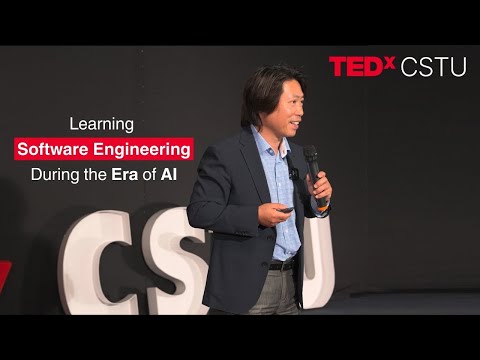
You know what’s funny? I once tried to explain the importance of software engineers to my grandma, and she thought I was talking about some new gardening technique! Seriously, the way technology has taken over our lives is wild.
Ever stopped to think about how much science needs software these days? It’s not just about crunching numbers anymore; it’s like software and science are best buds now. They’re out there solving problems together, from tracking diseases to launching rockets.
So picture this: a bunch of scientists in lab coats working their magic, while engineers are behind the scenes making sure everything runs smoothly. It’s a team effort! And trust me, without those coding wizards, a lot of cool scientific breakthroughs would just be dreams on a whiteboard.
Anyway, let’s dig into how these two worlds connect. You’ll see why software engineers are pretty much the unsung heroes of discovery!
Understanding the 40-20-40 Rule in Software Engineering: A Scientific Perspective on Balanced Development Practices
Alright, let’s talk about the 40-20-40 Rule in software engineering, which is all about balancing different aspects of development. It’s kind of like a recipe, you know? You need the right ingredients to make a tasty dish. Here, those ingredients are planning, coding, and testing.
The 40-20-40 Rule suggests that developers should spend:
- 40% of their time on planning and design
- 20% on coding
- 40% on testing and maintenance
You might be thinking: “Wait a minute, why so much time on testing?” Well, let me tell you a quick story. A friend of mine once worked on an app that was almost perfect—until they found out in the final stages that a small bug caused data loss for users. They lost tons of precious time fixing it afterward because they didn’t focus enough on testing. So yeah, testing can save your butt!
This balance helps ensure that everything flows smoothly. Planning isn’t just jotting down ideas; it’s where you sketch out what you want before getting into the nitty-gritty. Think of it as drawing a map before heading out on a road trip.
Coding is where the magic happens! But if you rush through this part without solid foundations laid during planning, well… things can get messy fast! Imagine trying to build a house without knowing where the walls go—it just wouldn’t work.
The real beauty lies in the last phase: testing and maintenance. Not everything will work perfectly at first glance. It’s super important to adjust your code after seeing how it really performs under pressure (like with actual users!). This phase makes sure your product is robust enough to handle unexpected potholes along the way.
You see how this rule keeps things balanced? It emphasizes not just cranking out code but also nurturing every stage of development responsibly. And if one part starts overshadowing another—like spending way too much time coding—you may end up with less reliable software.
In short, embracing this 40-20-40 perspective means building better software products while also bridging science and code effectively. So next time you’re working on something big or small, remember that balance truly is key! Keep that recipe handy!
Exploring the Potential: Can Software Engineers Earn $500,000 in Scientific Innovation?
So, let’s jump right into it! The idea of software engineers making $500,000 in the realm of scientific innovation sounds a bit like a lofty goal, huh? But trust me, it’s not as far-fetched as it seems. With the right skills and opportunities in tech-driven science fields, this dream can become a reality.
First off, think about what scientific innovation actually means. It’s about creating new technologies, improving processes, or even discovering new things that change how we live. For example, advancements in biotechnology or artificial intelligence have transformed areas like healthcare and climate science. Here’s where software engineers come into play.
Software engineers are the magic wands behind many breakthroughs. They design algorithms for data analysis or create simulations to test scientific theories. This is crucial since most modern science relies heavily on data and advanced computing techniques.
And let’s talk about demand! As more industries adopt tech solutions to solve complex problems, there’s an insatiable need for skilled software engineers who can bridge that gap between science and technology. These engineers can work in various sectors: pharmaceuticals developing drug discovery platforms or environmental modeling predicting climate change impacts.
Now here comes the kicker: compensation. While some might earn a decent salary straight out of school (think $70k to $120k), others can reach those eye-popping numbers like $500,000 with experience and expertise. Here are some factors that contribute to these high earnings:
- Specialized Skills: Engineers with niche expertise—like machine learning algorithms or computational biology—are often more valuable.
- Experience: As you climb up the experience ladder, your value increases substantially.
- Impactful Projects: Working on groundbreaking projects or startups that get VC funding can significantly boost earnings.
- Location: Silicon Valley is famous for its sky-high salaries but even other tech hubs offer competitive pay.
Another interesting tidbit? Companies are more inclined to offer hefty salaries when they realize how important an engineer’s work is to their bottom line—especially in research-heavy sectors.
Think about it this way: if you’re involved in developing software for a company that’s creating a revolutionary vaccine delivery system or an AI platform predicting natural disasters, your work could generate huge economic returns! And when profits soar from innovative solutions you helped build? That could definitely justify high salaries.
But let’s not sugarcoat everything. The pressure can be intense — constantly evolving technologies mean you need to stay updated and versatile. Long hours often accompany high-stakes projects too. Not exactly easy street!
In short, while reaching that half-a-million mark isn’t guaranteed for everyone in the field of software engineering within scientific innovation, it’s absolutely achievable under certain circumstances and conditions. If you’re passionate about marrying code with deep scientific inquiry—and willing to work hard—you could be looking at quite an exciting career ahead!
Elon Musk: The Intersection of Programming and Engineering in Modern Science
Elon Musk is a name that many recognize, right? He’s like this megastar in the tech world, but what really sets him apart is how he blends programming and engineering to push modern science forward. It’s like watching a magician who pulls rabbits out of hats but instead pulls innovations from the confluence of code and hardware.
In Musk’s companies, programming isn’t just about writing lines of code; it’s about shaping the future. Take SpaceX for example. The success behind reusable rockets comes down to sophisticated software engineering. These software engineers develop programs that control everything from flight paths to landing sequences. Imagine coding something that helps a rocket land back on Earth after it has been to space! That’s some serious engineering magic happening right there.
And then there’s Tesla, where programming plays a crucial role in making electric vehicles smart and efficient. The autopilot feature, which many people rave about, relies heavily on algorithms and real-time data processing. Without skilled programmers who can write effective code, self-driving cars would just be a dream. It’s not just fancy tech; it’s about keeping drivers safe and minimizing accidents—that’s where it gets real.
You know, I once talked to this engineer who worked on self-driving systems at Tesla. He shared how he’d spend countless hours debugging software that kept getting tripped up by those pesky traffic cones! It was both frustrating and exhilarating for him—like trying to solve a puzzle where some pieces might not even belong!
Let’s not forget Musk’s other ventures like Neuralink or The Boring Company. Each project embodies the tight-knit relationship between coding and engineering. Neuralink aims to connect brains directly with computers—talk about futuristic! And for this dream to work out, both hardware engineers and software developers must collaborate seamlessly.
In all these examples, you see how vital programming is in modern science today. It’s not just an auxiliary aspect; it’s central to innovation across various fields. Engineers rely on coders for simulations, analyses, and control systems—it’s all interconnected.
So why does this matter? Well, as technology continues to evolve rapidly, understanding the intersection of coding and engineering becomes essential for anyone interested in science or technology careers today.
When you think about careers in these fields, remember that skills in both programming and engineering aren’t just fancy add-ons; they’re becoming requirements more than ever before! This intersection opens so many doors—whether you’re envisioning the next Mars colony or creating smarter cities back on Earth.
Connecting science with code isn’t just another trend; it reflects our need for innovation aimed at solving big problems we face as humanity moves forward into uncharted territories. And people like Elon Musk are shining examples of what happens when these worlds merge together beautifully!
You know, when you think about science, images of lab coats, beakers, and microscopes usually come to mind. It’s all about experiments and theories, right? But here’s the twist: behind many scientific discoveries today sits a whole crew of software engineers. I mean, these folks are like the unsung heroes of the scientific world.
I remember chatting with a friend who was knee-deep in his PhD in biology. He was explaining how he relied on complex software to analyze genetic data. As he spoke, I could see his eyes light up! The thing is, without those engineers writing and optimizing the code to handle massive datasets, his research would’ve hit a dead end. Can you imagine trying to go through thousands of sequences manually? Ugh!
So here’s where it gets interesting. Software engineers aren’t just typing away at keyboard; they’re translating scientific dreams into reality. They help scientists visualize data or simulate conditions that can’t exactly be recreated in a lab. Picture this: scientists trying to model climate change impacts on ecosystems use software that processes huge amounts of data from satellites or sensors. That’s some powerful teamwork!
But it’s not all sunshine and rainbows; there are challenges too. For instance, sometimes there’s a gap between what scientists need and what engineers understand about the science itself. A little miscommunication can lead to misunderstandings or buggy software that ends up wasting precious time—and funding! So it’s crucial for both sides to talk and learn from each other.
In reality, every time there’s an exciting breakthrough—like a new vaccine or understanding a complex disease—you can bet there’s likely a team of engineers behind the scenes making sure everything runs smoothly. And that feels pretty cool, doesn’t it?
At the end of the day, bridging science and code isn’t just about fitting tech into research; it’s about collaboration and creativity! When these two worlds come together seamlessly, who knows what kind of amazing discoveries we might stumble upon next? You follow me? It’s an exhilarating dance between logic and imagination!