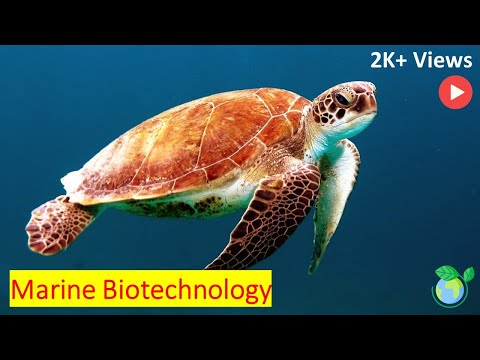
You know, the ocean is kind of like our planet’s party room—just full of weird and wonderful things! I mean, have you ever seen a jellyfish glow in the dark? Crazy, right?
But it’s not just about cool sea creatures. There’s this whole field called marine biotechnology that’s making waves—literally. Scientists are diving into the deep blue for solutions that could help us tackle some big problems.
Picture this: tiny organisms in the ocean could help produce cleaner energy or even new medicines. How wild is that? It’s like these little guys are superhero sidekicks in our quest for sustainable living!
So grab your snorkel gear, because we’re about to explore how the ocean can be more than a beach getaway. Let’s swim into some amazing advancements and see how they could shape a healthier future for us all.
Exploring Biotechnology’s Role in Advancing Environmental Sustainability
Biotechnology is like a treasure chest of solutions when it comes to tackling environmental challenges. Seriously, it’s pretty cool how scientists are using living organisms to promote sustainability, especially in the marine environment. Let’s break this down a bit.
First off, marine biotechnology deals with exploring and using organisms from the ocean, like bacteria, algae, and other sea creatures for various purposes. These tiny powerhouses can help us find sustainable ways to protect our environment. You know? Instead of chemical methods that can harm marine life, we can tap into nature’s own toolbox!
One important area here is the bioremediation process. Think of it as nature’s cleanup crew! When oil spills or heavy metals pollute the oceans, certain microorganisms can break down those harmful substances and make them less toxic. For instance, some bacteria eat up oil by using it as energy—how neat is that?
Another fascinating example involves **algae**. They’re not just good for smoothies; they play a significant role in absorbing carbon dioxide and releasing oxygen back into the water. By cultivating algae in large quantities, we could potentially lower CO2 levels while producing biofuels and feeding marine animals at the same time. It’s like hitting three birds with one stone!
And have you thought about **marine enzymes**? Enzymes are like little workers that help speed up chemical reactions in living organisms. Scientists are exploring these marine enzymes for things like breaking down waste in aquaculture systems or even processing food more sustainably. By doing so, they’re reducing waste and making processes more efficient.
Then there’s genetic engineering. This technique allows scientists to modify marine organisms to increase their resilience against climate change impacts. For example, researchers are working on developing coral species that can withstand warmer waters and higher acidity levels due to climate change—it’s crucial for preserving marine biodiversity.
Also worth mentioning is how biotechnology can foster sustainable aquaculture practices. By enhancing fish breeds through selective breeding or genetic modification, we can boost growth rates while minimizing environmental impacts. So instead of overfishing wild stocks, we could farm fish in a way that’s gentler on ecosystems.
Finally, it’s all about being mindful of our resources! Marine biotechnology encourages the use of renewable resources instead of fossil fuels or other depleting materials which harm our oceans. Emphasizing sustainable practices means we’re not just thinking about today but also securing a healthy environment for future generations.
In short, biotechnology has amazing potential to drive us toward environmental sustainability through innovative ideas in the marine context! With every breakthrough and discovery made by scientists around the world, we’re taking steps closer to a more balanced future whether it’s cleaning up pollution or preserving fragile ecosystems—how exciting is that?
Exploring the Future of Marine Biotechnology: Innovations and Impact on Science and Industry
Marine biotechnology is like an exciting treasure hunt beneath the waves. It’s all about using the resources from the ocean to innovate and solve problems, especially when it comes to sustainability. Sounds intriguing, right?
One of the coolest things about marine biotechnology is its potential for creating new materials. For instance, researchers have been looking at seaweed and other marine plants to develop biodegradable plastics. These alternatives could help tackle pollution without harming our planet.
You see, plastic waste is a huge issue worldwide. Every year, millions of tons of plastic end up in oceans, endangering wildlife and ecosystems. So, wouldn’t it be great if we could make stuff that dissolves instead? Well, certain types of algae might help us achieve that!
Another area where marine biotech shines is in the field of medicine. Did you know that some marine organisms produce natural compounds with medicinal properties? For example, researchers are exploring how these compounds can help develop new antibiotics or even cancer treatments. Isn’t it wild to think that solutions for human health might be lurking in the depths of the ocean?
And it doesn’t stop there! Aquaculture, or fish farming, is being transformed as well. Scientists are using biotechnological methods to improve fish breeds and enhance their growth rates while minimizing disease outbreaks. This way, we can produce more fish with less environmental impact.
Also worth mentioning is how this field looks at sustainable energy sources. For instance, microalgae can be grown to produce biofuels. These tiny powerhouses can convert sunlight into energy efficiently—like having little solar panels in water! By using them instead of fossil fuels, we could reduce greenhouse gas emissions.
But with all this cool innovation comes some responsibilities too. We have to keep an eye on how these technologies affect marine ecosystems because altering them could lead to unintended consequences. It’s a fine line between progress and preservation.
To sum up: Marine biotechnology holds incredible promise for creating sustainable solutions across various sectors like materials science and medicine while also addressing issues like food security and energy production. As we dive deeper (pun intended!), who knows what other wonders we may uncover? Let’s just hope that as we explore this watery frontier, we do so responsibly!
Unlocking Environmental Conservation: The Role of Marine Biotechnology in Sustainable Science
So, let’s chat about **marine biotechnology** and how it’s helping us with **environmental conservation**. Imagine you’re walking along the beach, feeling that salty breeze in your hair. The ocean isn’t just a pretty sight; it’s a treasure trove of life and potential solutions to some of our biggest challenges.
Marine biotechnology taps into the amazing organisms living in the ocean. You’ve got everything from tiny plankton to massive whales, and these creatures have been evolving for millions of years. They have some seriously cool tricks up their sleeves that we can learn from.
What is Marine Biotechnology?
At its core, marine biotechnology involves using marine resources to develop products and processes that can benefit humanity. Just think about all the medicines we use today—many come from nature! For instance, certain compounds found in sea sponges have led to cancer-fighting drugs. That’s pretty mind-blowing!
The Role of Marine Biotech in Conservation
So, how does this link to conservation? Well, by understanding these organisms better, we can find ways to protect them while also addressing environmental issues. Here are a few ways this plays out:
- Bioremediation: Some marine microbes can break down pollutants like oil or heavy metals. Using these tiny cleaners can help restore damaged ecosystems, allowing them to bounce back.
- Sustainable materials: Did you know some materials derived from seaweed are not only biodegradable but also super useful? These materials can replace plastics and be used in packaging and cosmetics.
- Biofuels: Algae can be used to produce biofuels—a cleaner alternative to fossil fuels—reducing our carbon footprint. Plus, it grows fast and doesn’t need arable land!
The Power of Coral Reefs
Let’s not forget about coral reefs—they’re like the rainforests of the sea! These ecosystems support countless species but are under threat due to climate change and pollution. Marine biotechnology is stepping up here too.
Researchers are working on techniques like coral gardening and selective breeding to help corals adapt more quickly to warming waters. They’re basically giving corals a fighting chance against climate change! Imagine scientists planting baby corals that have been tweaked genetically (not Frankenstein-style!) for resilience.
Anecdote Time!
A friend of mine went snorkeling around a reef last summer and was blown away by the colors and life forms all around him. But he also saw patches where coral had bleached due to rising temperatures. It shook him up—it made it real, you know? That experience pushed him towards wanting to support sustainable practices, showing just how personal this issue is.
In short, marine biotechnology holds amazing potential for creating sustainable solutions while promoting environmental conservation. It’s all interconnected: protecting ocean life means protecting ourselves too. So when we think about saving our planet, let’s remember: sometimes, we’ve got to look beneath the waves for answers!
You know, marine biotechnology is like this hidden gem of science that’s really starting to shine. When you think about it, our oceans are like this massive treasure chest, packed with life forms we haven’t even fully explored yet. Seriously, it’s mind-blowing! I mean, every time I go to the beach and see all those waves crashing, it hits me that there’s a whole new world down there just waiting for us.
One of the coolest advancements is how scientists are looking at underwater organisms to solve some big problems. Like, take seaweed, for example. It’s not just something you see floating in the ocean. Researchers are discovering that certain types of algae can be used for biofuels or even as natural fertilizers. Just think about it: instead of relying on synthetic chemicals that can mess up our ecosystems, we could be turning to nature itself for answers. Wild, huh?
I remember watching a documentary where they talked about how marine bacteria can actually break down plastics in the ocean. Picture tiny little microbes munching away at waste while we’re busy worrying about pollution—it’s both eerie and hopeful! It’s like nature has already got some solutions baked right in if we just open our eyes to it.
But there are challenges too. The thing is, exploiting these resources sustainably is key. We don’t want to dive into the ocean and strip it clean of everything good because that would sort of defeat the purpose. It’s all about finding that balance—using what we need without harming those delicate marine ecosystems.
And then there’s aquaculture—buoyed by biotech advancements—which can provide us with sustainable seafood without overfishing our waters. Imagine farms on the water raising fish in healthier ways!
Anyway, as more people start connecting with marine biotech and understanding its potential, I really hope they feel inspired to protect our oceans too! It’s all interconnected—you know? What happens down in those deep blue waters affects all of us on land too.
So yeah, being excited about these advancements while staying mindful feels crucial as we move forward. After all, if we invest in sustainable solutions now, hopefully future generations will enjoy those beach vibes just as much as we do today!