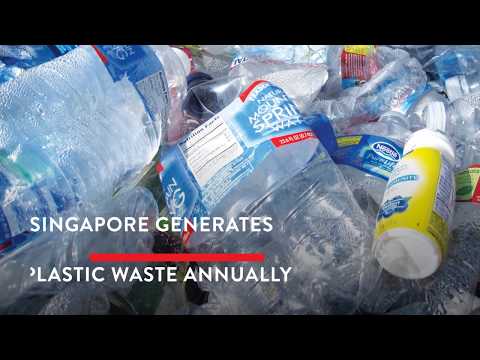
You know that moment when your recycling bin is just overflowing? It’s like, “Seriously, how did I use this much plastic?” It kind of makes you think, right?
In a world where climate change is basically the hot topic at every dinner party, we’ve gotta step up our game. Imagine if all those empty water bottles and takeout containers could get a second chance.
Well, that’s where innovation struts in like it owns the place! People are coming up with some wild ideas to help the planet out. And it’s not just scientists in lab coats—everyday folks are getting creative, too.
So let’s chat about some of these cool solutions that are turning things around for our environment. Buckle up; it’s going to be an exciting ride!
Sustainable Solutions for Environmental Preservation: Innovative Scientific Approaches
The planet’s in a bit of a pickle, and you probably know it. But there are some really cool and innovative scientific approaches that are helping to put us on the right track toward sustainable solutions for environmental preservation. Let’s chat about a few.
Renewable Energy is like the superhero of sustainability. Instead of relying on fossil fuels, we’re harnessing the power of the sun, wind, and water. Solar panels can help power everything from homes to entire cities. You might have seen those big wind turbines spinning away on a windy day; they’re converting wind into electricity! And hydroelectric plants use flowing water to create power. It’s clean energy without the harmful pollution!
Then there’s reforestation. You know how trees are like lungs for the Earth? They absorb carbon dioxide and release oxygen, which is totally essential for life. Planting new trees or restoring forests can really help combat climate change. In fact, there are projects where communities come together to plant millions of trees—it’s uplifting to see people working towards a greener future!
Another innovative approach is sustainable agriculture. Think of it this way: farms that work with nature instead of against it can produce food while protecting ecosystems. Techniques like crop rotation and agroforestry not only improve soil health but also increase biodiversity. Farmers are getting creative—using things like cover crops to stop erosion or reducing chemical use helps maintain balance in nature.
Waste reduction is another key player in this game. Imagine turning trash into treasure! It sounds magical, but recycling and upcycling can significantly decrease landfill waste. Some places have even started composting organic waste, which creates rich soil rather than letting scraps rot away in dumps.
And let’s not forget innovative materials. Scientists are coming up with biodegradable plastics made from natural sources like cornstarch! They break down more easily than traditional plastics, which can hang around forever and harm wildlife if not properly disposed of—a real game changer for reducing ocean pollution.
The thing is, all these solutions require teamwork—local communities, governments, scientists—you name it! They’re all working together towards a common goal: preserving our environment for future generations.
So as you go about your day, remember these innovations aren’t just buzzwords; they’re real efforts in progress! Let’s get inspired by what science can do to keep our beloved planet thriving!
Exploring the 5 C’s of Sustainability: A Scientific Perspective
Sustainability is such an exciting topic, and the 5 C’s of sustainability really break it down in a way that’s easy to grasp. So, let’s jump into it!
1. Conservation is all about using resources wisely. Essentially, we’re trying to make sure that what we take from nature can be replenished or is used in moderation. Think about water—if we shower for too long or leave the tap running while brushing our teeth, we’re wasting it! A simple change in habits can go a long way.
2. Community plays a huge role in sustainability too. It’s not just about individuals doing their part; it’s about coming together as a society. For example, community gardens are awesome! They not only give people fresh veggies but also foster connections between neighbors. Plus, growing your own food reduces the carbon footprint linked to transporting groceries.
3. Collaboration makes everything better. When businesses, governments, and nonprofits team up, they can create more effective solutions than if they were working solo. Just think of renewable energy projects—when different sectors unite, they often come up with innovative ways to harness wind or solar power that benefit us all.
4. Circularity is about creating systems where waste doesn’t exist as we know it! Instead of the traditional “take-make-dispose” model, circularity encourages us to recycle and reuse materials endlessly. Picture this: you buy a pair of shoes made from recycled plastics that can be returned at the end of their life cycle to make new ones again.
5. Climate action brings everything together under one big umbrella—fighting climate change! It’s like being part of a global team where everyone has their own position but works towards one goal: reducing greenhouse gases and protecting our planet for future generations.
Now here’s where it gets personal: I remember visiting a small town that had embraced these principles head-on. They transformed vacant lots into community gardens and didn’t just stop there—they even started teaching kids how to grow food! Seeing those young faces light up at harvesting their veggies was truly inspiring.
By understanding these 5 C’s—Conservation, Community, Collaboration, Circularity, and Climate Action—you can see how interconnected everything is when it comes to sustainability initiatives around the globe. And who knows? You might find little ways you can contribute right in your daily life!
Exploring Groundbreaking Innovations in Science for Environmental Sustainability
Sure! Let’s talk about some cool innovations in science that are shaking things up for environmental sustainability. It’s a big topic, but I’ll break it down into bite-sized pieces, so you can really get what’s going on.
Renewable Energy Sources
First off, let’s get into renewable energy. You’ve probably heard of solar and wind power, right? These are like the superheroes of energy because they use natural resources instead of fossil fuels. Solar panels capture sunlight and turn it into electricity. Wind turbines spin with the wind to generate power. These sources help reduce greenhouse gas emissions and can seriously cut down our reliance on oil and coal.
- **Solar Power:** Imagine covering rooftops in solar panels—that’s what many homes and buildings are doing! This not only powers their electricity but also gives excess energy back to the grid.
- **Wind Energy:** Ever seen those big windmills on hills? They’re catching breezes to create energy that powers thousands of homes.
Sustainable Agriculture
Moving on, let’s chat about agriculture. Traditional farming can be super hard on the environment with all those chemicals and pesticides. But innovative practices like **permaculture** and **vertical farming** are changing the game.
Permaculture is a concept that mimics natural ecosystems. Like, you plant diverse crops together so they complement each other instead of competing for nutrients. Vertical farming is pretty wild too—think of growing crops in stacked layers using LED lights! This saves space and water while maximizing food production.
- **Hydroponics:** This method grows plants in nutrient-rich water instead of soil, saving water.
- **Organic Farming:** Using natural fertilizers keeps the soil healthy without chemicals.
Circular Economy
Another huge player here is the idea of a ***circular economy***. Basically, it’s about minimizing waste by reusing materials as much as possible. Instead of tossing stuff out after one use, businesses are finding ways to recycle items or use them for something new.
Like, some companies take old plastic bottles and turn them into clothing or building materials! So not only are you giving trash a new life, but you’re also lessening the demand for new raw materials.
- **Upcycling:** Transforming waste into something valuable—think old tires turned into playground equipment!
- **Composting:** Turning food scraps into nutrient-rich compost helps nourish plants without chemical fertilizers.
Smart Technology
And we can’t ignore technology! Smart tech is popping up everywhere to help monitor environmental health or improve energy efficiency. You see smart meters in homes helping track usage in real-time—this makes people more aware of their consumption habits!
Some cities use sensors to detect air quality or even noise pollution! This data helps them make better decisions to improve residents’ quality of life while protecting the environment.
Taking Action Together
Finally, there’s an important aspect: **community involvement**. Innovations won’t work if people aren’t onboard. Educating communities about sustainable practices creates a ripple effect where everyone feels empowered to contribute.
Think about community gardens that not only grow food but also bring people together—fostering connection and promoting healthy eating habits!
In short, there’s so much happening these days in science that promotes environmental sustainability! With renewable energy sources busting boundaries, innovative agricultural methods taking root (pun intended), circular economies making waves with reuse strategies, smart tech leading us toward better choices—all topped off by community enthusiasm—we’re looking at a brighter future for our planet! Isn’t that refreshing?
You know, when you think about the environment these days, it can feel a bit overwhelming. Issues like climate change and pollution are everywhere, and they often make you just want to throw your hands up in the air. But here’s the thing: innovation is popping up all over the place, offering us some pretty cool solutions.
Just the other day, I was chatting with a friend who’s super passionate about sustainable living. She told me how she transformed her small apartment balcony into an urban garden. It sounds simple, right? But she grows her own herbs and veggies there—like tomatoes and basil—using vertical planters. Plus, she composts kitchen scraps to feed her plants! It’s like she turned something bland into a little green oasis. You could see how proud she was; it felt inspiring.
Then think about energy! Solar panels are no longer just for fancy houses; they’re becoming more affordable and even being integrated into things like roadways in some countries. Imagine driving on a highway that generates energy while you drive! It might sound like a sci-fi movie plot, but it’s happening!
And then there’s technology coming through in ways that help us conserve water and reduce waste. I mean, there are apps now that can help you track your energy usage or remind you when it’s time to recycle a certain item. It’s not only exciting but also empowers us to make better choices each day.
But hey, let’s talk about communities too! People are getting together more than ever to tackle local environmental issues—clean-up drives at parks or swapping events where folks trade items they no longer need instead of tossing them away. It feels good to be part of something bigger than yourself.
Sure, we still have mountains of challenges ahead—but seeing how creativity can change our habits makes me hopeful. Every little step counts; every idea matters. So whether it’s growing your own food or harnessing the sun’s power, innovative solutions for a sustainable environment remind us that we can shape our future if we all pitch in together.
Anyway, next time you’re feeling down about environmental issues, try looking around at what’s being done—not just on big scales but also by folks just like you and me making small changes that add up!