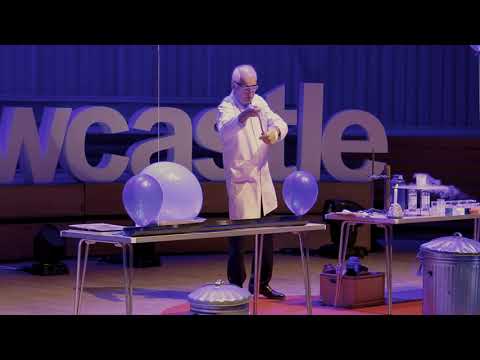
You know, when I was a kid, I thought being a mad scientist was the coolest thing ever. I mean, who wouldn’t want to mix colorful liquids and create some sort of potion? I used to dream of turning my backyard into a lab where crazy experiments could happen. Spoiler alert: my mom wasn’t thrilled about the mess!
But here’s the deal—science doesn’t have to be all serious and lab coats. Seriously! There’s so much fun stuff you can do with just some basic ingredients from your kitchen or backyard. Imagine making your own lava lamp or exploding volcanoes. Sounds awesome, right?
Kids are naturally curious, always poking around and asking questions. So why not channel that curiosity into some cool chemical experiments? It’s not just about mixing stuff together; it’s about discovering how things work in the most entertaining way possible! So come on, let’s explore innovative ideas that’ll make you feel like a real scientist without needing any fancy gear.
Exploring Innovative Advanced Chemistry Project Ideas for Science Enthusiasts
So, you’re into chemistry, huh? That’s awesome! Chemistry can be like magic, but with science backing it up. There’s a million different ways to play around with chemical experiments that’ll not only blow your mind but also teach you some pretty cool stuff.
First off, let’s talk about **home-based chemistry projects**. Seriously, there are tons of simple experiments you can do right in your kitchen. For instance:
- Homemade Lava Lamp: All you need is an empty bottle, water, food coloring, and vegetable oil. When you mix them together, the oil sits on top of the water because it’s less dense. Add an effervescent tablet or baking soda mixed with vinegar for a bubbly effect! It’s bright and fun—definitely a crowd-pleaser.
- Invisible Ink: Remember those spy movies where they use invisible ink? You can make your own using lemon juice or baking soda. Just write something with a cotton swab and let it dry. Later, hold it up to a heat source (like a light bulb), and voilà! Your message appears!
Now if you’re feeling a bit more adventurous and want to tackle some slightly more advanced projects that might require some extra materials or safety gear:
- Electrolysis of Water: This one is pretty cool—literally. With just a battery, water, and some salt (to help conductivity), you can separate water into hydrogen and oxygen gas by running an electric current through it. If you’ve got an old AA battery lying around…perfect!
- Chemical Garden: You can create colorful crystals using metal salts like copper sulfate or potassium permanganate in water with sand or gravel as the base. Just drop the salts in the mixture and watch these vibrant growths form over time; it’s like watching nature’s art show unfold.
Alrighty then! Let’s mix it up with some **sustainability-themed experiments** too because who doesn’t love Mother Earth?
- Biodiesel Production: Got some used cooking oil at home? You can team up with methanol and lye to create biodiesel! It sounds complicated but don’t worry; there are loads of resources online to guide you step by step.
- Solar Oven: Build a solar oven out of pizza boxes or aluminum foil—it’s like camping in your backyard but for science! You could make s’mores while demonstrating how solar energy works!
You know what? One time I tried making homemade ice cream using just plastic bags filled with ice and salt alongside cream mixture in another bag. Shaking that bag gets really cold—like, “I wish I had gloves” cold—but when you open it up after about 10 minutes…pure joy! There’s nothing quite like watching delicious science happen.
So whether you’re a budding scientist wanting to impress friends at dinner parties or just satisfying your curiosity under parental supervision—we’re talking about safe environments here—you’ve got loads of options ahead of you.
The key takeaway? Chemistry is not just about textbooks. It’s all around us—in your home, in nature—waiting for someone curious enough to explore it! So go get those goggles on because experimentation is where the fun begins!
Simple Experiments to Demonstrate Chemical Changes: Engaging Science Activities for Students
Sure! Let’s chat about some simple, fun experiments that show chemical changes. You know, these are amazing ways to get students excited about science without needing a professional lab or complicated equipment. They’re easy to set up, and the best part? They’re super engaging!
Chemical changes happen when substances combine to form new substances. This can be seen in reactions that produce gas, change colors, or even create heat. So let’s break down a few cool experiments you can try.
1. Baking Soda and Vinegar Volcano
This is like a classic! Mix baking soda (a base) with vinegar (an acid), and boom— you’ve got an eruption! You’ll notice bubbles forming fast as carbon dioxide gas is released. It’s fun to watch and totally safe for kids!
2. Rusting Iron
Did you ever leave a metal object outside and see it turn all brown? That’s rust forming from a chemical reaction between iron, oxygen, and moisture in the air. To demonstrate this change, put a metal screw or nail in water for a few days and observe how it changes color.
3. Milk vs. Acid
Grab some milk and vinegar for this one. When you mix them together, something interesting happens—the milk will curdle! This process shows how acids react with proteins in milk to form solid lumps called curds while separating from liquid whey.
4. Color-Changing Cabbage Juice
Boil some red cabbage in water until the water turns purple—this juice is now your pH indicator! It changes color when mixed with different substances: add vinegar and it turns pink (acidic), while baking soda makes it green (basic). It’s like science magic!
5. Elephant Toothpaste
Now here’s one of the crowd-pleasers! Mix hydrogen peroxide with dish soap, then add yeast as a catalyst. You’ll see an impressive foamy explosion that resembles toothpaste for an elephant! It shows an exciting reaction where oxygen gas escapes rapidly.
Each of these experiments not only illustrates what chemical changes are but also makes learning fun and interactive for students. Remember to discuss why these changes occur afterward—the science behind them is just as thrilling!
Engaging your students with hands-on examples helps them grasp complex concepts better than just reading about them in textbooks. Plus, who doesn’t enjoy a little messiness? It’s all part of the learning process!
So why not gather some supplies and give these experiments a shot? They could lead to some seriously cool discussions about chemistry—and maybe inspire the next generation of scientists along the way!
Innovative Chemistry Experiments for Young Scientists: Ignite Curiosity and Creativity
So, you wanna spark some curiosity and creativity in young scientists? Innovative chemistry experiments can really do the trick! It’s like opening a door to a world where mixing stuff together can lead to wild reactions and cool discoveries. Let’s explore some fun experiments that can get those little minds buzzing with excitement!
1. The Classic Volcano
You’ve probably seen this one before, right? It’s a timeless experiment that never fails to impress. Basically, you mix baking soda with vinegar in a container—like, say, a plastic bottle. When these two ingredients combine, they create carbon dioxide gas that bubbles up and overflows, kind of like lava! It’s super visual and gives kids a chance to see an acid-base reaction in action.
2. Color Changing Milk
Alright, here’s where it gets colorful! You take some milk in a shallow dish and add drops of food coloring. Then you drop in a bit of dish soap. What happens next is pure magic—swirls of color dance around and mix before your eyes! It’s not just about the wow factor; it teaches concepts about surface tension and how soap interacts with fat molecules.
3. Homemade Slime
Slime is all the rage these days! Making it involves mixing glue with borax (or contact lens solution) and letting kids get their hands gooey while learning about polymers. They’re creating something tangible while also discovering what makes substances stick together or change texture—that’s some real hands-on science!
4. Invisible Ink
Want to feel like a spy? Using lemon juice as ink is super cool! Kids can write messages on paper using cotton swabs dipped in lemon juice. Once it dries, it’s invisible until they hold their secret message up to a heat source—like an iron or light bulb—and voila! The words appear as brown marks thanks to oxidation.
5. Egg in a Bottle
This one always gets oohs and ahhs! You’ll need a hard-boiled egg (peeled) and a glass bottle with an opening slightly smaller than the egg’s diameter. Light a small piece of paper and drop it into the bottle; then quickly place the egg on top. As the flame goes out, the egg gets sucked inside because of pressure changes created by cooling air inside the bottle—it’s like magic but totally scientific!
6. DIY Lava Lamp
This one’s not just visually appealing; it’s educational too! Fill a clear bottle with water (like ¾ full), add vegetable oil until it forms layers (that’s because oil doesn’t mix with water). Then drop in Alka-Seltzer tablets for that bubbling reaction you see in lava lamps! This experiment shows density differences between liquids while being incredibly satisfying to watch.
Involving kids in these experiments isn’t just about fun; it’s about igniting their innate wonder for science. Each little project helps them grasp fundamental concepts without even realizing they’re learning—a sneaky way to fuel their love for discovery!
So gather your materials, roll up those sleeves, and have at it—let those young minds explore chemistry in all its messy glory!
You know, when I think about young scientists, I can’t help but feel a little nostalgic. I remember being a kid, mixing random stuff in the kitchen just to see what would happen. There was this one time I mixed baking soda with vinegar and it fizzed up like a mini volcano. I thought, “Whoa! This is magic!” But it was all chemistry, really.
So, when we talk about innovative chemical experiments for young minds, it’s more than just beakers and lab coats; it’s about sparking curiosity and creativity. Kids today have access to cool resources that we never did. With just a few household items, they can explore the mysteries of chemistry without breaking the bank—or burning the house down, hopefully!
One fun idea? Making slime! Seriously, there’s something mesmerizing about watching glue and borax come together to create something gooey and stretchy. It’s like the perfect gateway experiment because not only do you get to play with your creation afterward, but you also learn about polymers in a hands-on way.
And here’s another one: creating invisible ink with lemon juice! All you need is some juice, a cotton swab or brush, and paper. After writing a secret message, you can reveal it by holding the paper near heat—like a lightbulb or candle (safely!). Watching those letters appear feels like straight-up wizardry! Plus, it introduces kids to oxidation reactions in such an exciting way.
It’s amazing how simple activities can lead to big questions: Why does that happen? How does that work? When kids start asking questions like that—it’s pure gold! They start thinking critically rather than just memorizing facts.
Sure, some parents might worry about messes or safety (and rightly so), but those are part of the learning experience too. It teaches responsibility and encourages problem-solving when things don’t go as planned. You’re not going to get everything right on the first try; life doesn’t work that way!
So yeah—innovative chemical experiments are more than just fun activities; they’re gateways to understanding how our world works. And who knows? One day that little scientist in your kitchen could be discovering new medicines or tackling climate change! Isn’t that worth encouraging?