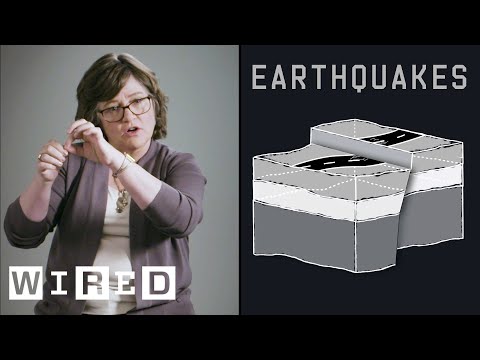
So, picture this: you’re chilling on your couch, binge-watching your favorite show, and the ground suddenly starts shaking. Yikes! Your snacks go flying, and you’re like “What the heck just happened?” That’s an earthquake for you. Scary stuff!
But here’s the cool part: there are folks whose job is to study these earth-shaking events—yup, they’re called seismologists. They decode the mysteries of our planet’s movements, helping us understand why those tremors happen.
You might think earthquakes are just random, but there’s a lot more behind them. Knowing what’s going on beneath our feet can seriously help us prepare and even keep ourselves safe when the earth decides to do a little dance.
So let’s chat about seismology and how it helps us out in prepping for those unexpected quakes. Sound good?
The Role of Seismologists in Earthquake Prediction and Preparedness: Insights from the Field of Earth Sciences
Seismology is a fascinating field that plays a crucial role in understanding earthquakes. So, what do seismologists actually do? Well, they study the waves generated by earthquakes to learn about the Earth’s structure and activity. When an earthquake occurs, it sends out seismic waves that travel through the Earth. These waves can give us insights into where and why an earthquake happened.
Now, predicting earthquakes is a tricky business. You see, while seismologists have made strides in understanding the patterns and behaviors of seismic activity, accurately predicting *exactly* when and where an earthquake will strike isn’t something they can nail down just yet. It’s like trying to catch a butterfly with your bare hands—beautiful but elusive!
But it’s not all doom and gloom. Seismologists are excellent at identifying areas that are at a higher risk for earthquakes. They study historical data, looking at past quakes to figure out where the plate boundaries are and how pressure builds up over time. This way, they help communities prepare for potential events by understanding which areas might be more vulnerable.
In terms of preparedness, seismologists work closely with local governments and emergency services to develop strategies and plans for when earthquakes hit. They provide important recommendations on building codes, suggesting designs that can withstand shaking better. You wouldn’t want your house crumbling around you during an earthquake, right?
Another aspect of their work includes educating the public about what to do in case of an earthquake. For instance:
- Drop, Cover, and Hold On: This is important advice for keeping safe during shaking.
- Create Emergency Kits: Having supplies ready can make a huge difference if the power goes out.
- Know Your Community Plan: Each area typically has its own emergency response plan; being aware of it helps!
And here’s something emotional: I once spoke with a woman who lived through a massive quake in her city. She said it felt like everything was rolling under her feet; she could hardly breathe until it stopped. Thankfully, she had received training on what to do during such disasters from local workshops led by seismologists.
Collaborating with engineers, architects, and even educators shows how seismology isn’t just about studying rocks or measuring vibrations; it’s about saving lives too! By focusing on community engagement and preparedness education, seismologists help create resilient neighborhoods.
So yeah, while we’re still working on predicting *when* those quakes will occur precisely—you know?—the role of seismologists in enhancing readiness cannot be overstated. Their efforts in research play a vital part in reducing the risks associated with these natural events!
Enhancing Disaster Preparedness and Response: The Vital Role of Seismology in Earthquake Risk Management
So, let’s chat about something super crucial: disaster preparedness, especially when it comes to earthquakes. You know, those sudden shudders that can really shake things up—literally! Seismology is the science that helps us understand these seismic events and plays a major role in keeping us safe.
First off, what exactly is seismology? Well, it’s the study of earthquakes and the movement of waves through the Earth. Think of it like listening to your favorite band from different angles; seismologists listen to the Earth as it “plays” during an earthquake. They analyze seismic waves produced by these movements to gather important information.
Now, when it comes to earthquake risk management, seismology does a bunch of heavy lifting. Here are some key ways it helps:
- Monitoring seismic activity: Seismologists use an array of sensors all over the place to detect tremors even before we feel them. This data helps authorities figure out where earthquakes are likely to occur.
- Earthquake early warning systems: Some innovative technology leverages real-time data from seismic sensors. If there’s a quake brewing, these systems can send alerts seconds before shaking hits. Those few seconds can make a massive difference; people can drop what they’re doing and get to safety.
- Building codes and urban planning: Insights from seismological research guide engineers on how to design buildings that can withstand earthquakes. For instance, structures in high-risk areas are often built using flexible materials that sway with tremors instead of crumbling.
- Community education and drills: By providing knowledge on what happens during an earthquake and how best to respond, seismologists help communities prepare better for potential disasters. Drills can be game changers; they get everyone in sync!
A little while back, I remember reading about this town in Japan that implemented advanced early warning systems after suffering a devastating quake years before. They installed lights around the city that flash when an alert goes out. It’s incredible how much added safety those seconds give people running for cover!
The thrill—or dread—of seismic activity isn’t just about science; it’s about real lives and communities coming together with knowledge at their side. And while we have no control over when an earthquake might strike, improving our disaster preparedness through understanding and technology makes all the difference in minimizing risks.
So yeah, here’s where seismology shines: it equips us with tools not just for prediction but also for proactive response plans. With ongoing research and technological advancements, we’re getting closer to embracing this unpredictable nature without living in constant fear.
If you think about it, seismology isn’t just about studying rocks or vibrations; it’s about protecting lives! How cool is that?
Essential Preparations for Earthquake Safety: 5 Key Steps Backed by Science
Earthquake safety is something we all should take seriously, especially if you live in an area prone to seismic activity. The ground can shake unexpectedly, and it’s crucial to be prepared. So, what can you do to stay safe? Here are some essential preparations backed by science that can help keep you and your loved ones out of harm’s way.
1. Know Your Risk
First things first, understanding the risks in your area is key. Not everywhere experiences earthquakes equally; some places have a much higher chance than others. You can look up local geological surveys or ask local authorities about earthquake history where you live. This means checking for building codes too! Buildings designed with **seismic standards** are more likely to withstand the shaking.
2. Secure Your Space
Once you know your risk, it’s time to think about what’s around you—like furniture! Secure heavy furniture like bookcases or cabinets to the wall. You don’t want these falling over when the ground starts moving. Also, keep breakables on lower shelves and anchor large appliances like refrigerators. It seems like a small thing but makes a huge difference during a quake.
3. Create an Emergency Kit
So, let’s talk about preparedness: having an emergency kit ready is vital. This kit should include essentials like water, non-perishable food, first aid supplies, flashlights, batteries, and maybe even a battery-operated radio for updates if power goes out. Don’t forget important documents and medications too! Put all this stuff in one place that everyone knows about so it’s easy to grab when things get wild.
4. Develop a Communication Plan
Okay, imagine this: during an earthquake, phones may not work due to damage or network overloads. That’s why having a plan in place is super important! Decide on meeting spots or how you’ll check in with each other if separated—maybe an out-of-area friend or family member who can relay messages for you.
5. Educate Yourself and Practice Drills
Lastly, learning how to react during an earthquake is essential! Familiarize yourself with terms like “Drop, Cover, and Hold On.” Practicing drills at home ensures everyone knows what to do when that shake hits—like getting under sturdy furniture until it stops swaying. Kids love drills—it gets them pumped up about safety!
In short? Earthquakes can be scary but getting prepared doesn’t have to be overwhelming! By knowing your risk, securing your space, creating emergency kits, making communication plans, and practicing drills regularly—you’re not just relying on luck; you’re taking charge of your safety during those unpredictable quakes!
So, let’s chat about seismology. You know, it’s that field of science dealing with earthquakes and the movement of the Earth. It might sound a bit heavy, but honestly, it affects all of us—especially if you live in an area where quakes are common. I still remember when I was a kid, and there was this minor tremor during a family dinner. The dishes rattled, and everyone froze for a second. My little sister screamed at the top of her lungs because she thought the world was ending! It turned out to be nothing serious, but it made me realize how unprepared we were for even a small shake.
Seismology helps scientists understand earthquakes better, which is super important since these natural disasters can strike without warning. They study seismic waves—basically waves that travel through the Earth when it shakes—and those help us figure out how strong an earthquake is going to be and where it’s coming from. So when you hear about something like the Richter scale or magnitude readings on news reports after an earthquake, that’s all thanks to seismologists.
Understanding earthquakes is crucial not just for science nerds. It’s about saving lives. Imagine if we could predict an earthquake before it happens—like having a warning bell go off just in time for people to find safety? Well, while we’re not quite there yet with full-proof predictions (not able to tell when your neighbor will have a surprise party either), advancements in seismology have greatly improved early warning systems.
These systems use real-time data from various sensors scattered around vulnerable areas to detect when seismic waves are coming your way. It gives people precious seconds—maybe even those vital moments—to take cover under sturdy furniture or move away from windows before things start rattling.
But here’s the thing: knowing what could happen isn’t enough on its own; communities need to prepare too! This means teaching people what to do during an earthquake or how to make their homes safer against tremors. Some folks might roll their eyes at “drill days” in schools and offices—but think back to my sister’s screaming during that tremor… wouldn’t you want folks around you ready for anything?
So yeah, seismology isn’t just some geeky stuff reserved for lab coats and graphs; it plays a big role in keeping us safe and helping communities learn how to handle unexpected shakes beneath our feet. It reminds us that nature can be both beautiful and unpredictable—and being prepared is part of living wisely with our planet’s quirks!