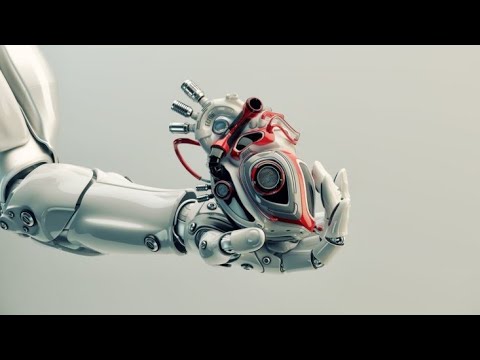
So, here’s a little story for you. A friend of mine was convinced that using a 3D printer could solve all his problems. He even joked about printing himself a pizza! While that might sound ridiculous, the truth is, 3D printing is actually doing some pretty amazing stuff in the world of healthcare.
I mean, who wouldn’t want to hear about body parts being printed on demand? Picture it: personalized prosthetics or even organs made just for you! Crazy, right? Well, this isn’t science fiction; it’s happening now.
Biomedical engineering is seriously changing the game. From super cool gadgets that help doctors do their jobs better to futuristic ways of treating diseases, it’s like living in a sci-fi movie. And honestly? It’s only getting started!
So why not take a little journey into this world of innovation with me? You’ll never look at healthcare the same way again!
Transforming Healthcare: Key Advancements in Biomedical Engineering and Their Impact on Science
Biomedical engineering is like the coolest mashup of medicine and technology, and it’s making waves in healthcare. Imagine combining your love for science with the ability to impact people’s lives directly. That’s what biomedical engineers do! They create things that can help patients, improve treatments, and even save lives.
So, what are some of these key advancements? Let’s break it down a bit:
- Medical Imaging: Think about those fancy MRI or CT scans you hear about. These machines help doctors see inside your body without any surgery. They can find tumors or other problems early on. It’s like having a superpower!
- Prosthetics: Remember when prosthetic limbs used to be heavy and basic? Now they’re high-tech! There are prosthetics that can move based on brain signals! Seriously, a person thinks about moving their arm, and the prosthetic does it! How amazing is that?
- Tissue Engineering: This is where it gets super interesting. Scientists are working on creating artificial organs using cells. Imagine needing a new heart or liver someday, and instead of transplanting someone else’s organ, you get one made just for you! It’s not sci-fi; it’s happening!
- Wearable Technologies: Fitbits and smartwatches aren’t just for counting steps anymore. They can track heart rates, monitor sleep patterns, and even detect irregular heartbeats. This real-time data helps doctors catch potential issues before they become serious.
- Telemedicine: With all the tech around us today, you can see a doctor without even leaving your couch! Video calls with healthcare providers have revolutionized how we access care. It’s especially great for those living in remote areas.
When I think about this transformation in healthcare through biomedical engineering, I remember my friend who had a serious knee injury from playing soccer. He was close to giving up on his dreams of being an athlete again. But after undergoing surgery where they used advanced imaging to plan everything out perfectly and then got fitted with an advanced prosthetic limb during rehab—he’s back out there competing again! It really shows how these innovations can change lives.
Now let’s chat about the impact on science itself. The cool thing is that every time engineers invent something new in healthcare, it opens up paths for more research—like finding better ways to heal wounds or studying how our bodies react to different materials used in medical devices.
All these advancements not only improve patient care but also offer new challenges for researchers too. There’s always something more to discover or another problem waiting to be solved.
In summary: biomedical engineering is seriously reshaping healthcare as we know it today through imaging tech, state-of-the-art prosthetics, tissue creation, wearable gadgets that monitor our health right from our wrists, and telemedicine that brings doctors right into our homes without delay.
It’s like science fiction becoming reality—and this journey is just getting started! The future looks bright for both healthcare professionals and patients alike thanks to these incredible advancements in biomedical engineering.
Recent Breakthroughs in Bioengineering: Innovations Shaping the Future of Science
Bioengineering is like the cool fusion of biology and engineering, working to solve some big challenges in health and medicine. It’s incredible how recent breakthroughs are shaping our future! Seriously, let’s break it down.
Tissue Engineering is one of the most exciting fields right now. Imagine being able to grow organs in a lab! Scientists are getting better at creating tissues that can replace damaged ones in our bodies. For instance, researchers have made strides in 3D printing skin cells for burn victims. This isn’t just science fiction anymore.
Crispr Technology also deserves a mention. This tool allows scientists to edit genes with high precision. Think of it like cutting and pasting text on your computer, but with DNA! The potential here is mind-blowing; diseases linked to genetic faults could be corrected before they even develop. What would you think if a cure for certain hereditary diseases was just an edit away?
Then there’s Biomaterials. They’ve come a long way too! These materials are designed to interact with biological systems without causing harm. There are new types that promote healing more efficiently or minimize rejection in implants. For example, some advanced materials can help bones heal faster after fractures—a total game changer for recovery times.
We can’t forget about Wearable Health Tech. You know those smartwatches that track your steps? Well, they’re evolving into powerful health-monitoring tools that can measure things like heart rate variability or even glucose levels non-invasively. That means continuous monitoring without painful finger pricks—imagine how much easier living with diabetes could become!
Another interesting innovation is Regenerative Medicine, where the focus is on repairing or replacing damaged cells and tissues using our body’s own resources. Stem cell research is at the forefront here. Think about regenerating nerves affected by injury; it sounds like something from a sci-fi movie but has real potential for those suffering from paralysis.
So, what’s next? As we continue to merge technology and biology, we’re looking at solutions for chronic conditions that impact millions—like heart disease or diabetes—enhancing quality of life dramatically.
In summary, the evolution happening in bioengineering shows us how far we’ve come—and where we might head next! From tissue engineering to CRISPR edits and wearable tech, these innovations are not just cool buzzwords; they’re changing lives right now and paving the way for a healthier future. Isn’t that exciting?
Transformative Innovations in Biomedical Engineering Driving Health Advancements: A Comprehensive Overview
Biomedical engineering is like the cool intersection of engineering and medicine—it’s where tech meets healthcare, you know? And lately, it’s been buzzing with some seriously transformative innovations that are reshaping how we approach health. Let’s get into it!
Wearable Technology: So, think about those smartwatches that monitor your heart rate. They’re not just pretty gadgets; they’re game-changers in preventive care. These devices can track vital signs in real-time, allowing you to catch potential health issues before they become serious. How cool is it to have a tiny doctor on your wrist?
Tissue Engineering: Imagine being able to grow organs in a lab! It sounds like something out of a sci-fi movie. Scientists are actually working on this through tissue engineering, creating biomaterials that can mimic human tissues. This means we could potentially reduce the need for organ donors someday! The idea of growing new skin or even a kidney for transplant? Mind-blowing!
Robotic Surgery: Here’s where it gets super high-tech. Robotic systems are helping surgeons perform complex procedures with more precision and less invasiveness. Think about those tiny robotic arms—surgeons can control them from consoles, giving them an edge during surgery. Patients end up healing faster and with smaller scars.
3D Bioprinting: This one sounds fancy but stick with me! Just like you might print out a document, scientists are using 3D printing tech to create living tissues or structures for implants. They take cells and layer them to form tissues, which can be customized for patients. Can you imagine getting a 3D-printed part of yourself? Wild!
Telemedicine: Remember when it was all about visiting the doctor? Now, thanks to telemedicine, you can consult your doc from the comfort of your home. This has made healthcare more accessible—especially important for people in remote areas. Just think: no more long drives when you’re feeling under the weather.
These innovations reflect just how far biomedical engineering has come—and it’s incredible! Each one addresses current challenges in our healthcare systems while opening up new possibilities for treatment and recovery.
So yeah, as these technologies advance further, who knows what else we’ll see? It’s like being on the front row of a really exciting show that’s still unfolding!
Biomedical engineering is like this incredible blend of medicine and engineering, where bright minds come together to tackle health challenges. It’s a bit like when you take two totally different flavors and mix them to create something unique. I mean, think about it—engineers and doctors working side by side? That’s some serious brainpower.
One time, I visited a hospital where they were using 3D printing for prosthetics. It was wild! They had this machine that could make custom limbs based on scans of a person’s body. The joy on that girl’s face when she tried on her new arm was unforgettable. She could actually move it—like it was part of her! That experience brought home just how much these innovations can change lives.
Now, let’s talk about some cool stuff happening in the field. You’ve probably heard about wearable tech, right? Those smart watches that track your heart rate or sleep patterns? Well, biomedical engineers are pushing that further with devices that can monitor everything from glucose levels to blood pressure—all in real-time! Imagine being able to catch a potential health issue before it becomes serious just because you have the right gadget on your wrist.
And then there are breakthroughs in imaging technologies. Like MRIs that have become sharper and quicker thanks to engineering advancements. This means doctors can diagnose conditions faster and more accurately than ever before.
But it’s not just about high-tech gadgets; it’s also about improving existing treatments. Engineers are finding ways to deliver drugs more effectively through smart delivery systems that target specific areas in the body without affecting healthy tissue.
But hey, there are challenges too—like ensuring everyone has access to these technologies or considering ethical implications around things like genetic engineering or privacy with wearables. So, while innovation is amazing and has the potential for incredible health advancement, we’ve got to tread carefully and think critically about how we use it.
Ultimately, biomedical engineering is all about coming up with solutions that help people live better lives—and honestly, who wouldn’t want to be part of that?