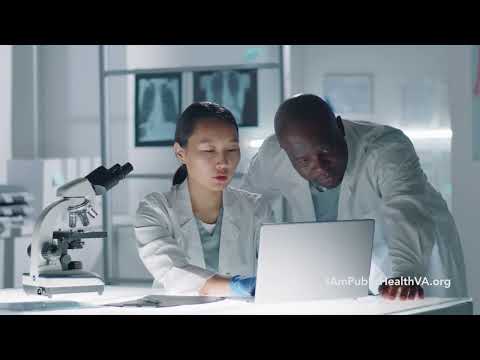
You know that moment during flu season when everyone seems to be sniffling and sneezing everywhere? Yeah, it’s like we’re all in a big sneeze party that nobody signed up for. Well, here’s the thing: epidemiology is kinda the superhero of that situation.
Imagine if we could trace those pesky germs back to where they started. That’s where epidemiologists come in. They’re like detectives, but instead of solving crimes, they’re figuring out how diseases spread and how to keep us healthy.
Crazy, right? It’s not just about counting how many people are sick—it’s about understanding *why* they got sick in the first place. So let’s chat about why this whole epidemiology thing matters so much in public health and keeping those nasty bugs at bay!
The Role of Epidemiology in Disease Prevention: Insights from the Field of Public Health Science
Epidemiology, yeah, it’s a big word that packs a whole lot of importance in understanding how diseases spread and how we can keep them at bay. Think of it as the detective work of the health world. These folks are like the Sherlock Holmes of public health, studying patterns and causes of diseases in populations to help prevent them before they even start.
So, what does epidemiology do? Well, their main gig is to track down where diseases come from and how they spread. This involves collecting data on stuff like who gets sick, when they get sick, and where they live. That’s key because it helps us understand things like why flu season hits harder in certain areas or why some groups are more affected by a disease than others.
Key Points:
- Data Collection: Epidemiologists gather all sorts of data from hospitals, clinics, and even communities. The more info they have, the better their recommendations can be.
- Identifying Risk Factors: Ever wonder why some people get sick while others don’t? Risks can include age, location or lifestyle choices like smoking or diet.
- Surveillance: This means keeping a watchful eye on disease trends over time. It’s like being a lifeguard for public health — spotting dangers before they turn into bigger issues.
Let me tell you about a real-world example. During the COVID-19 pandemic, epidemiologists were crucial in tracing contacts of infected individuals and understanding transmission patterns. They helped guide decisions on lockdowns and vaccinations—seriously! Those recommendations were often based on solid evidence gathered through extensive epidemiological studies.
Now you might be thinking: “How does this actually prevent disease?” Great question! By identifying risk factors early on—like higher infection rates in crowded places—public health officials can launch targeted interventions. Think vaccination programs focused on vulnerable populations or campaigns promoting hygiene practices during an outbreak.
Collaboration is Key:
- Working with Communities: Effective prevention needs everyone’s input! Epidemiologists often partner with local communities to understand their unique challenges.
- Crisis Response: In outbreaks, fast action is vital! Epidemiologists help develop emergency response plans to mitigate impact rapidly.
And there’s more! By studying historical data from past outbreaks, epidemiologists can help predict future trends too. It’s pretty amazing when you think about it—a bit like looking into a crystal ball but with actual stats backing it up!
In summary (you see what I did there?), epidemiology plays an essential role in public health by not just focusing on what makes people sick but also finding ways to keep them healthy. From monitoring diseases to educating the public and collaborating with various sectors, this field truly has a lasting impact that shapes healthier communities everywhere.
So next time you hear about an outbreak or hear someone mention “epidemiology,” remember all the hard work going on behind the scenes to keep us safe!
Understanding the Primary Purpose of Epidemiology in Advancing Public Health Initiatives
Epidemiology is one of those fields that sounds complicated but is really just about understanding how diseases spread and affect populations. It’s all about looking at patterns, causes, and effects of health conditions in specific groups of people. The primary purpose? Well, it’s to improve public health by preventing diseases and reducing their impact on society.
To give you a clearer picture, think of epidemiology as the detective work for health issues. Epidemiologists try to figure out what factors contribute to illnesses, how they spread, and who is most at risk. They gather data from various sources to track outbreaks and understand health trends.
Its main goals can be boiled down into a few key points:
- Identifying Health Issues: By studying the occurrence of diseases, epidemiologists can spot emerging health threats before they become massive problems.
- Understanding Risk Factors: They analyze data to find out what increases the chances of getting sick. This could be anything from lifestyle choices to environmental influences.
- Informing Public Policy: The insights drawn from epidemiological studies help shape laws and regulations aimed at improving community health.
- Guiding Public Health Interventions: When outbreaks happen, such as the flu or more recently Covid-19, epidemiologists guide responses like vaccination campaigns to control spread.
Here’s where it gets a bit personal. I remember when I was younger; my school had a chickenpox outbreak. It wasn’t just annoying – some kids got really sick! But thanks to epidemiological research about contagion rates, we knew that isolating affected kids could stop others from getting sick too. This kind of action comes straight out of the playbook developed by epidemiologists analyzing similar situations.
Without these disease detectives, we’d be stumbling around in the dark trying to figure out how health issues develop and spread through communities. And let’s face it: no one wants that!
And hey, it’s not only the big infectious diseases that they’re focused on. Epidemiologists also dive into chronic conditions like diabetes or heart disease. By understanding who gets these conditions and why—that’s where real change happens in prevention strategies.
So when epidemics hit or new diseases pop up on our radar, you can bet there are teams of dedicated epidemiologists working tirelessly behind the scenes. They’re figuring out how to keep us all healthier and safer—one study at a time!
Five Essential Functions of Epidemiology in Disease Prevention: Insights from the Field of Public Health
Hey, let’s talk about epidemiology. You know, that field of public health that studies how diseases spread and impact populations. It’s not just a dusty academic subject; it’s super relevant to our everyday lives. So, what are some of the essential functions of epidemiology in disease prevention? Here’s a quick rundown for you.
1. Surveillance of Disease
Epidemiologists monitor the occurrence of diseases in populations. Think of it as keeping tabs on what’s going around in your community. When there’s an outbreak, they collect data on who is getting sick and where it’s happening. For instance, during flu season, hospitals report cases to track trends and see if a vaccine is working or if we need to adjust it next time.
2. Identifying Risk Factors
One major goal here is figuring out what makes some people more susceptible to certain diseases than others. Is it age? Lifestyle? Exposure to specific environments? Take smoking and lung cancer; tons of studies link smoking habits with increased cancer risk, pushing health organizations to promote anti-smoking campaigns and clean air laws.
3. Outbreak Investigation
When a new disease pops up or an old one resurfaces, epidemiologists spring into action like detectives! They investigate how many people are getting sick, where the cases are concentrated, and how it spreads. Like when E.coli outbreaks happen in food products; they trace back to find the source so they can prevent more people from getting sick.
4. Informing Public Health Policies
The data collected through epidemiology helps shape public health policies. It’s kind of like providing the roadmap for decision-makers on how best to protect communities. For example, during the COVID-19 pandemic, data showed which areas were most affected—leading to targeted responses like lockdowns or vaccination drives in those hotspots.
5. Evaluating Intervention Effectiveness
Once public health initiatives are set up—like vaccination programs or educational campaigns—epidemiologists assess their effectiveness. They ask questions like: Are people getting vaccinated? Has the number of infections decreased? These evaluations help tweak ongoing efforts and improve strategies for future outbreaks.
So there you have it! Epidemiology plays a huge role in preventing diseases before they become widespread issues in communities! It’s all about being proactive rather than reactive—keeping everyone informed and healthy along the way!
You know, it’s pretty wild when you think about how much epidemiology impacts our daily lives. I mean, just the other day, I was chatting with a friend who’s been feeling under the weather. We started talking about how quickly some illnesses spread, and that got me thinking about the folks behind the scenes—epidemiologists. These are the people who track diseases, figure out where they come from, and help prevent outbreaks before they spiral out of control.
So here’s the thing: epidemiology is like this detective work for health. Imagine you’re a detective trying to solve a mystery. You gather clues (data), look for patterns (like how and why things spread), and then come up with possible solutions to keep everyone safe. And it’s not just about chasing after infections like COVID-19 or Ebola; it includes chronic diseases too. Heart disease, diabetes—epidemiologists study these as well to find out what risk factors we might need to worry about.
I remember when I first heard about that famous “Flu Map” online during flu season. It shows regions with higher flu activity based on data collected by…you guessed it! Epidemiologists! It blew my mind to see where the outbreaks were happening in real time! Also kind of made me paranoid—I mean, who wants to end up sick? But that map was also kind of reassuring because it meant that someone is on top of things, watching out for us.
And let’s not forget how important this work has become since we’ve been living through a pandemic. Seriously, watching epidemiologists explain how COVID-19 spreads and what measures we could take felt like having a guide through this complex maze of information. They helped shape public health policies like lockdowns or mask mandates based on solid evidence.
In many ways, their work allows us to live healthier lives without even knowing it sometimes! Like those vaccination campaigns—you might get your shot without understanding all the data behind why it’s so important. That’s an epidemiologist at work! They analyze data from countless studies and populations to present case after case on why vaccines are key in preventing diseases.
But let’s not overlook the human side of all this either. There’s a certain empathy involved in public health; epidemiologists care about communities and individuals’ lives, working tirelessly so fewer families have to endure heartbreak due to preventable diseases. That dedication really strikes a chord with me.
So yeah, next time you hear someone mention epidemiology or those numbers flying around during health briefings, remember there are real people digging deep into complex data every day just so we can enjoy life more freely—and that’s something special if you ask me!