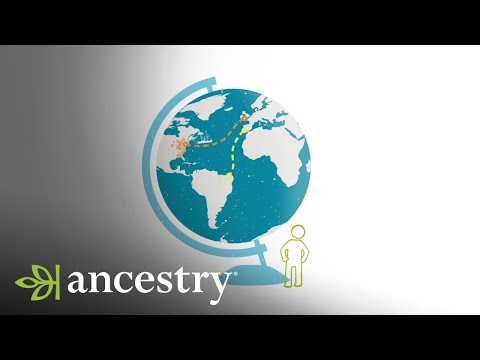
You know what’s wild? I once found out my friend was convinced they were related to a famous historical figure—just from a DNA test! They even googled it and shared excited theories over coffee.
But here’s the thing: ancestry DNA kits are popping up everywhere these days. It’s like everyone wants to channel their inner detective and trace their roots, right? I mean, who doesn’t love a good family mystery?
What’s even crazier is how these kits aren’t just about finding out if you’re part Viking or something. They’re actually helping scientists understand genetic connections on a much larger scale. It’s mind-blowing when you think about it!
So, let’s chat about what these DNA kits really do and how they’re changing the game for modern genetic research. Sounds fun, doesn’t it?
The Influence of Ancestry on Genetic Research: Exploring Implications for Scientific Discovery
So, let’s talk about ancestry and genetic research. It’s pretty wild how our genetic makeup can tell us a lot about where we come from and also play a big role in scientific discovery. You know, those ancestry DNA kits that have become super popular? They are more than just a fun way to find out your family roots; they’re like a treasure chest for researchers.
First off, these kits can reveal genetic diversity within populations. When you and millions of others send in your DNA, scientists get access to an amazing amount of data. Seriously, it’s like a massive puzzle! By analyzing this genetic information, they can see how different groups are related and track migration patterns over time. Isn’t that cool? You might find out you have relatives you never knew about, but researchers see it as a way to connect the dots across human history.
And here’s the thing: understanding ancestry helps in identifying genetic predispositions to certain diseases. For example, certain traits or health issues are more common in specific populations. If researchers know the background of various groups thanks to these kits, they can better understand why some folks may be at a higher risk for conditions like diabetes or heart disease. It’s like having a roadmap for health!
But there’s more! The data gathered from these kits isn’t just sitting there collecting dust; it’s being used for cutting-edge studies. You might have heard about personalized medicine—where treatments are tailored to an individual based on their genetic profile—that’s where this ancestry stuff fits in perfectly! Researchers can look at genetic variations influenced by ancestry and create treatments that work better for specific populations.
Now let’s not forget the ethical side of things because this is important too! With great power comes great responsibility—seriously! Ancestry information is sensitive stuff, right? There are concerns about privacy and consent that need addressing. When you send your DNA to a company, what happens next? Can that data be shared or sold? Many scientists advocate for making sure people understand how their information will be used before jumping into the world of genetic research.
And here’s something interesting: different geographical regions have different rates of mutation in genes over generations due to environmental factors or lifestyle choices. Scientists can use this knowledge to help with conservation efforts or even understand human evolution better! That means every little piece of DNA you give has the potential to change how we view our own history as a species.
In short, ancestry plays a major role in modern genetic research by providing insights into our past and helping shape the future of healthcare and science overall. The info we get from these DNA kits is super valuable—not just for personal stories but also as building blocks in understanding who we are as humans reaching out across time and space. Isn’t science just amazing?
Unlock Your Heritage: Discover Free DNA Ancestry Testing in Scientific Research
So, let’s chat about DNA ancestry testing. It’s a pretty interesting topic, right? You might have heard about those DNA kits people mail in to find out more about their roots. But did you know that these tests are also playing a big role in scientific research? Seriously, they’re like treasure maps for understanding our heritage.
First off, when you send your sample to one of these companies, what they do is analyze your DNA. They look at markers in your genetic code—tiny bits that give clues about where your ancestors came from. This is super helpful because it can connect people to various populations and histories. It’s not just a fun family tree game; it really helps scientists, too.
Now, let’s break it down a bit more. Here’s how this whole thing works:
- DNA Markers: These are specific areas in your DNA that can tell researchers a lot about your ancestry. Think of them as little flags waving from different parts of the world.
- Population Genetics: Scientists use the data collected from these kits to study how different groups of people are related. They can trace migrations and understand how societies mixed over thousands of years.
- Health Insights: Besides just heritage, some tests also reveal information related to health risks linked to specific ancestry backgrounds. This could be valuable for future generations!
Here’s the kicker: many universities and research institutions absolutely welcome volunteers who want to get their ancestry tested for free as part of larger genetic studies! Imagine being part of something bigger than yourself—pretty cool, right?
A friend of mine recently found out he had roots in Ireland through one of those kits. He always felt drawn to that culture but had no idea why until he got his results! It made him want to visit Ireland and learn more about his heritage firsthand.
But wait—there’s more! It’s not just limited to personal discovery or fun family reunions. Researchers can gather massive amounts of data if enough people participate in these studies. The larger the database, the clearer the picture becomes regarding human migration patterns and genetic diversity.
Now, you might wonder why this sort of research matters at all. Well, think about it! Understanding our shared human history can foster connection and empathy among diverse groups today—something we desperately need.
In summary, DNA ancestry testing is not just an exciting way to explore where you came from; it has serious applications in the realm of modern genetic research too. Just by participating in these tests—even if it’s free—you could help scientists unlock mysteries that have puzzled humanity for ages!
So next time you’re curious about your lineage or considering taking one of those tests, remember: you’re contributing to something much larger than yourself! Pretty amazing journey awaits when you go back through time with science lighting the way.
Unlocking Your Heritage: A Comprehensive Guide to the Best Ancestry DNA Tests for Scientific Insights
So, let’s talk about ancestry DNA tests. You know, those kits that tell you where your ancestors came from and maybe even connect you with long-lost relatives? They’ve become pretty popular lately, and it’s not just for the family reunion stories—there’s some cool science behind them.
First off, what are these tests all about? Basically, they analyze your DNA to give you a glimpse into your genetic roots. When you send in a sample—usually saliva or cheek cells—the lab looks at specific markers in your genome, which is like the instruction manual for your body. These markers can reveal info about your ethnic background and migrations over time.
Now, when it comes to choosing an ancestry DNA test, there are a few key players out there like 23andMe, AncestryDNA, and MyHeritage. Each has its strengths:
- 23andMe: This one offers health insights along with ancestry information. So if you’re curious not just about where you come from but also about traits or potential health risks linked to your genes, this is worth considering.
- AncestryDNA: This is kind of the go-to for people looking to build their family trees. Besides ancestry info, they have a huge database of folks who have also taken the test. You might discover some relatives through that!
- MyHeritage: It tends to be user-friendly and offers various features like photo enhancement along with genealogy tools.
But here’s the thing: all these tests rely on databases that compare your results against known populations around the world. So if someone from a lesser-known background takes a test, they might find fewer matches or less detailed info.
Here comes the emotional part: imagine getting results back and finding out you’re connected to some distant cousin in another country! Like last year, I read this story about a guy who took one of these tests and ended up connecting with his biological brother after years of wondering about his past. That brings a whole new meaning to “family ties,” right?
The interesting part of all this is how it contributes to modern genetic research. Scientists use aggregate data from these tests for studies on migration patterns and human history. They can see how populations moved over time or how certain traits developed in different groups. This research helps paint a bigger picture of our shared humanity—and believe me when I say that’s pretty powerful stuff.
However, keep in mind that while these kits can unlock some fun insights into your heritage, they aren’t infallible. The accuracy depends on several factors including the size of the database and how well populations are represented in it.
In essence, if you’re diving into one of these tests purely out of curiosity—or even if you’re searching for connections—the science behind them also helps deepen our understanding of where we all come from as human beings. And that’s something worth celebrating!
I was scrolling through social media the other day when I saw yet another ad for one of those ancestry DNA kits. You know, the ones that promise to reveal your ethnic background and connect you with distant relatives? At first, I thought, “Hey, that’s just a gimmick for people who want to play detective about their family tree.” But then it got me thinking about the bigger picture—how these little kits are actually changing the landscape of genetic research.
So, here’s what’s cool: when you send your spit off to one of these companies, they analyze your DNA and give you a breakdown of where your ancestors might have come from. For many folks, that’s like opening a door into history. Just imagine finding out your great-great-grandparents came from a tiny village in Italy or that you’ve got some Viking blood running through your veins! It’s almost like getting a little piece of your family’s story back.
But beyond just the fun family facts, there’s some serious science happening here. These kits are gathering massive amounts of genetic data all over the world. Researchers can use this information to study various traits, migration patterns, and even health predispositions. Think about it—by analyzing millions of people’s DNA, scientists are piecing together how humans have moved and evolved over time. It’s pretty mind-boggling when you realize that your cheek swab might actually contribute to groundbreaking studies on genetics.
Of course, there’s a flip side. Privacy concerns pop up like weeds in a garden. Once you’ve sent off your sample, where does it go? Who has access to this information? There’s a lot of talk about consent and data rights in the modern world of genetic testing. It makes me wonder: is knowing my ancestry worth potential risks? Probably; but hey, it’s definitely something we all should think about.
So yeah, these ancestry kits are more than just novelty items or fancy toys for genealogists. They represent an intersection between personal history and scientific discovery that can reshape our understanding not only of ourselves but also of humanity as a whole. As we dig into our pasts with these tools in hand—a lot can be learned! What do you think? Would you give it a shot?