You know that feeling when you’re watching a crime show, and they flip on the DNA results? Suddenly, everything gets intense, right? Well, it’s wild to think that this kind of tech can help solve mysteries in real life.
But DNA testing is not just for catching bad guys. Seriously! It’s like a backstage pass to understanding who we are. Think about it: every single one of us has a unique genetic code. That’s our very own biological fingerprint!
A lot has changed over the years in how we test and understand DNA. From ancestry reveals to health predictions, advancements are popping up everywhere. It’s like opening an unexpected treasure chest filled with clues about our past and future.
So, let me tell you why this stuff matters—not just for scientists in lab coats but for all of us. Buckle up; it’s gonna be a fun ride into our genetic world!
Recent Advancements in DNA Testing: Transforming the Future of Genetic Science
Sure, let’s jump right into the fascinating world of DNA testing! It’s one of those topics that, once you start peeling back the layers, reveals so much about who we are and where we come from. Seriously, it’s like opening a genetic treasure chest.
First off, DNA testing has come a long way in recent years. We’re talking about methods that are more accurate, quicker, and cheaper than ever before. This is super important because it opens doors to understanding genetic conditions and ancestry in ways we couldn’t have imagined just a couple of decades ago.
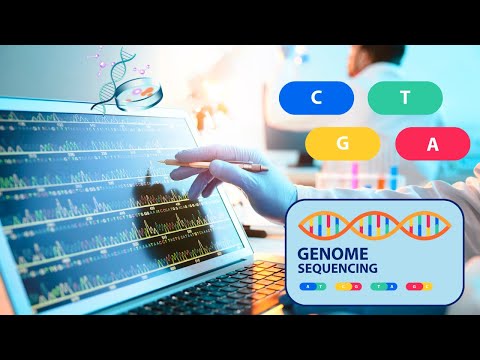
One major leap is in next-generation sequencing (NGS). This nifty technology allows scientists to read entire genomes at lightning speed. Just think about it: a few years back, sequencing a single human genome took years and cost millions! Now? It can be done in hours for a fraction of that price. Isn’t that wild?
Also, with these advancements comes better accessibility. More people can get their DNA tested without breaking the bank. You’ve probably heard about those home DNA kits; well, they’re made possible thanks to these technologies! But it’s not just for fun family trees—this data helps in identifying genetic disorders.
Another cool aspect is the rise of personalized medicine. This fancy term means treating patients based on their unique genetic make-up instead of a one-size-fits-all approach. For example:
- Cancer treatment: Some therapies target specific mutations found only in certain individuals.
- Pharmacogenomics: It studies how genes affect the way we respond to drugs, making medications safer and more effective.
But wait! There’s also a bit of caution that comes with this power. As we get better at reading our DNA, there’s also concern over privacy and ethical issues. Like, who gets to see your genetic information? And what happens if insurance companies start asking for it? These questions are starting to pop up more frequently.
And let’s not forget about how this affects our understanding of evolution and biology as a whole! By analyzing gene sequences across different species, scientists can trace back evolutionary trees—unraveling how life has transformed over millions of years.
Another important thing is the potential for enhancing conservation efforts through genetic biodiversity studies. Understanding the genetics of endangered species helps us figure out how best to protect them from extinction.
So yeah, advances in DNA testing aren’t just changing healthcare or ancestry tracking; they’re transforming science itself! It’s an exciting time when each schooled scientist or curious individual can potentially contribute to groundbreaking discoveries by analyzing their own genes or helping further research projects.
In short—this is where we stand: faster tests, personalized treatments, and ethical dilemmas around our own biology all mingling together in this wild dance towards the future of genetic science. Pretty mind-blowing stuff if you ask me!
Exploring the Latest Advancements in DNA Sequencing: Innovations Shaping the Future of Genomics
So, DNA sequencing has really taken off in recent years, kind of like rocket fuel for genetics. You might be wondering what’s so exciting about it, right? Well, the thing is, advancements in this field are reshaping how we understand everything from disease to ancestry. Let’s explore!
First off, let’s talk about speed and cost. Traditional sequencing methods were time-consuming and expensive. But now, thanks to technologies like Next-Generation Sequencing (NGS), we can sequence entire genomes in just a few days for a fraction of the original price. Imagine going from thousands of dollars and months of waiting to just a few hundred bucks and a couple of days! That’s like going from dial-up internet to fiber optic in one swoop.
Another cool thing is the ability to analyze genetic variations more thoroughly. With advancements like single-cell sequencing, scientists can look at DNA from individual cells rather than averaging it out across many cells. This makes it easier to spot rare mutations that could lead to diseases, like cancer—basically giving us the power to see what’s going on at a super granular level.
And don’t forget about synthetic biology. This field has been growing alongside DNA sequencing innovations. Researchers are now using sequenced DNA as a blueprint for creating synthetic organisms or redesigning existing ones for useful purposes—think bacteria that can produce insulin or even break down plastic waste! This feels like something out of a sci-fi movie!
The fact that less expensive and faster methods are available also means that personalized medicine is closer than ever. Imagine getting treatments specifically tailored to your unique genetic makeup! That could really change the game for folks dealing with chronic illnesses or conditions that don’t respond well to standard treatments.
Merging data analysis with sequencing technology is another fascinating area that’s expanding rapidly. Data science is becoming critical in genomics since there’s so much information generated by NGS technologies. The challenge now is figuring out how best to analyze all this data—like solving a mega jigsaw puzzle where each piece helps us understand our biology better!
Ethical considerations come into play here too; as cool as all this tech sounds, there are big questions around privacy and consent when it comes to genetic data. For example, if someone sequences their DNA and discovers they have a predisposition for a certain condition, who gets access to that information? Do they need to share it with family members? It’s sticky stuff.
To wrap it up, advancements in DNA sequencing are not just scientific footnotes anymore; they’re paving paths toward amazing possibilities in healthcare, environmental science, and beyond. It feels like we’re on the brink of truly understanding life at its most fundamental level—and honestly? That’s pretty exciting!
Exploring the Impact of DNA Discovery on Scientific Advancements Across Multiple Disciplines
So, let’s chat about DNA and how its discovery has totally flipped the script in the world of science. When Watson and Crick unveiled the double helix structure back in 1953, it was a game changer. Seriously, you could almost hear a collective gasp from scientists everywhere!
First off, DNA is like the blueprint of life. It carries all the genetic instructions that help build and maintain an organism. Imagine a recipe book where each recipe represents a different trait or function—like eye color or how your body digests food. Once scientists figured out how DNA works, they unlocked so many doors.
- Genetic Engineering: Suddenly, we had this tool to alter genes! Take insulin production as an example; when scientists learned to insert human insulin genes into bacteria, these little guys started pumping out insulin like pros. This has had a massive impact on diabetes treatment.
- Forensic Science: Think about crime shows where they analyze DNA samples from a scene. That’s all thanks to advancements in DNA testing! With just a tiny bit of blood or hair, forensic scientists can match someone to a crime scene with impressive accuracy.
- Medical Research: DNA opened up an entire new realm for understanding diseases. Researchers are looking at genes that contribute to conditions like cancer or Alzheimer’s disease. By knowing which genes are involved, doctors can develop better treatments tailored to individuals.
- Ancestry Testing: Ever wondered where you come from? You can thank DNA for those ancestry kits that tell you about your roots! It’s wild how something so tiny can connect us with our past.
The thing is, with great power comes great responsibility. As awesome as this technology is, there are ethical concerns too. What if someone uses your genetic info without permission? Or how do we handle the implications of gene editing? These questions are super important as we continue to explore what’s possible with DNA.
If you think about it, DNA isn’t just about genetics anymore; it’s intersecting with fields like anthropology, archaeology, and even environmental science!
For instance, by analyzing ancient DNA from bones found at archaeological sites, scientists can learn about migration patterns and ancient diets. That’s pretty cool—it helps us piece together human history!
You see? The discovery of DNA has woven itself into various scientific disciplines in more ways than one could imagine! It’s exciting to think where this knowledge will take us next—a future full of potential waiting just around the corner.
You know, every time I think about DNA testing, I get this rush of awe. Remember that moment when you first learned about DNA in school? It felt like unlocking a secret code of life, right? And now, it’s like science has taken that code and run with it.
Advancements in DNA testing have really changed the game in so many fields—medicine, forensics, even genealogy. Just imagine that technology we have now. It’s not just about figuring out who you’re related to (although that’s super cool!). It’s helping doctors diagnose diseases earlier and more accurately than ever before. Like, if you could know if you’re at risk for something serious before it becomes a big deal—that’s pretty powerful stuff!
I had a friend once who did one of those ancestry tests. She was adopted and always felt that missing piece of her background. When she finally got her results, the emotional rollercoaster was real! She discovered relatives she never knew existed and learned so much about where she came from. That kind of connection is something DNA can uniquely offer.
But it’s not all sunshine and rainbows. As awesome as this tech is, it raises some big questions too! There’s the whole privacy aspect—what happens to your genetic information? Who gets access to it? And while we’re at it, what about the potential for discrimination based on genetic traits? Those are weighty topics that definitely need our attention as these advancements keep rolling out.
So yeah, advancements in DNA testing aren’t just shaking things up in labs; they’re influencing lives in deeply personal ways too. They make us rethink how we look at heritage, health, and even what makes us human. It’s like science is giving us not just answers but also new questions to chew on! And honestly, that mix of clarity and complexity is what makes this whole field incredibly exciting—and important!