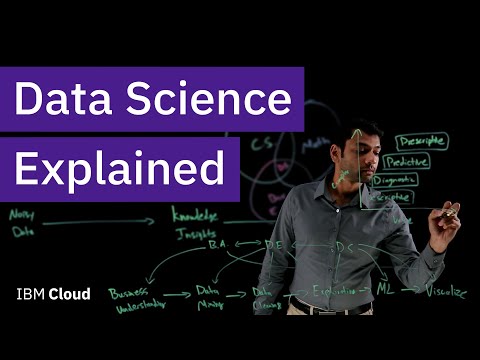
You know that feeling when you’re scrolling through social media, and you suddenly stumble upon a chart that explains something super complex in like two seconds? Yeah, that’s data science working its magic!
I was at a friend’s party recently, and someone brought up how they used data to figure out the best time to post on Instagram for maximum likes. Mind blown! I mean, who knew numbers could hold the secret to social media fame? It got me thinking: data science isn’t just for techie nerds in lab coats. It’s changing how we share knowledge with everyone.
From climate change stats to health reports, it’s like having a superhero cape made of numbers! So, let’s chat about what data science really is and why it’s shaking things up in scientific outreach today. You’ll be surprised at how it connects us all.
The Impact of Data Science on Advancements in Modern Science
Data science has seriously changed the game when it comes to advancements in modern science. You know, it’s like having a superpower that lets scientists analyze huge amounts of data really quickly. Imagine waiting in line for your favorite coffee. Now, picture getting that coffee in seconds instead! That’s kind of what data science does for research.
First off, let’s talk about how data science helps scientists work faster and more efficiently. With tools like machine learning and big data analytics, researchers can sift through mountains of information. For instance, in health care, algorithms can analyze patient data to predict outbreaks or spot diseases early on. So, instead of spending months figuring things out manually, scientists can focus on finding solutions.
Another cool aspect is collaboration. Data science makes it easier for scientists worldwide to share their findings and methods. You could be in New York and collaborate with someone in Tokyo without even leaving your desk! This sharing speeds up progress on issues like climate change or pandemics because everyone’s jumping on board with real-time data.
Speaking of real-time data, let’s not forget how critical it is nowadays! Take weather forecasting as an example: meteorologists rely heavily on vast datasets from satellites and sensors scattered all over the globe. With this information analyzed through advanced algorithms, they can provide timely warnings about storms or other natural disasters—saving lives!
Now don’t get me wrong; there are challenges too. Data privacy is a big deal these days! When researchers collect personal information, they have to tread carefully to protect people’s rights. It’s a balancing act between advancing knowledge and ensuring safety.
On top of that, there’s the issue of interpreting the results correctly. Just having lots of data doesn’t mean you automatically get the right answers. You’ve gotta have people who understand what they’re looking at—data scientists who can make sense of it all! It takes that special mix of skills to turn raw numbers into meaningful insights.
Another area where data science shines is in drug discovery—seriously riveting stuff! When trying to develop new medications, researchers use databases filled with chemical compounds and biological data. Through analysis and simulations guided by algorithms, they can identify promising candidates much quicker than traditional methods.
In education too, universities are integrating data science into curricula more than ever before. Students are getting hands-on experience working with real datasets—like learning how to clean up messy information or create visualizations that tell a story with numbers!
In summary, the impact of data science on modern scientific advancements is both broad and profound. From speeding up research processes to facilitating global collaboration and enhancing predictive capabilities across disciplines—it really reshapes how we view scientific research today.
So next time you hear about a breakthrough in medicine or an exciting new tech development backed by fancy algorithms, remember all those behind-the-scenes efforts powered by good ol’ data science! It’s an exhilarating time for science aficionados everywhere; I can’t wait to see what comes next!
Unveiling the Core Role of Data Science in Driving Modern Organizational Success
Data Science has become a real game changer for organizations today. It’s like having a superpower—sifting through tons of data to pull out the nuggets that help in making smarter decisions. So, what’s at the heart of it? Well, you can think of data science as a blend of statistics, computer science, and domain expertise. The whole point is to extract insights from data and turn them into actionable strategies.
One of the core roles of data science lies in identifying trends. Imagine you’re running a café. By analyzing customer preference data—from what they order to the times they come in—you can spot patterns that help you tailor your menu or adjust your hours. This isn’t just guesswork; it’s based on solid evidence!
Then there’s also predictive analytics. This is about forecasting future outcomes based on historical data. For example, if you’ve been tracking sales trends over several months, you could predict that certain products will fly off the shelves during specific seasons. That means better stock management and less waste!
Another important aspect is customer segmentation. Organizations can take their customer base and split it into different groups based on various factors like age, buying habits, or location. This way, companies can personalize their marketing efforts more effectively. Think about when you see ads tailored just for you—it feels special because they know what you’re into!
And let’s not forget about automation! Data science plays a massive role here too. Automating tasks can save time and reduce errors—critical for any organization wanting to stay competitive. For instance, think about how chatbots use natural language processing to handle customer queries instantly without human intervention.
But wait, there’s more! Data visualization is another exciting part of this field. Making sense of complex data becomes way easier when it’s represented visually—like through graphs or charts—rather than staring at rows and rows of numbers. It essentially tells a story with visuals!
So why does all this matter? Organizations leveraging these aspects usually have better operational efficiency and make more informed decisions than those who don’t catch up with the times.
A personal anecdote: I remember trying to sort through feedback forms after an event once—it was chaos! I wished I had some magic solution to organize all that feedback meaningfully instead of drowning in papers and notes. If only we’d had some basic data analysis tools back then!
In summary, whether it’s analyzing trends or automating repetitive tasks, data science empowers organizations to thrive in today’s fast-paced world by using insights that drive results forward—as opposed to just winging it without context or direction! The journey into understanding this powerful tool doesn’t just enrich organizations but also paves the way toward better decision-making processes all around!
Understanding Data Science: Its Definition, Importance, and Role in Modern Science
Understanding Data Science is a big deal these days, and it’s kind of everywhere. So, let’s break it down nice and simple.
What is Data Science? It’s basically a blend of various fields like statistics, computer science, and domain knowledge. It involves collecting, analyzing, and interpreting large amounts of data. Think of it as a way to turn raw numbers into stories. You know how you scroll through social media and see suggestions? That’s data science at work.
Now, onto its importance. Well, in today’s world where everything is digital, data is generated every second. So here’s the thing:
- Decision-Making: Organizations use data science to make informed decisions. Like when Netflix suggests what you should watch next; they’re using your viewing history to make that guess.
- Predictive Analytics: This refers to using existing data to predict future outcomes. Weather forecasts are a classic example—scientists analyze past weather patterns to tell us if we’ll need an umbrella tomorrow.
- Innovation: Companies innovate products based on customer feedback and preferences gathered through data analysis.
You might wonder why this all matters in modern science and outreach! Well, here’s where it gets really cool.
Scientists are now relying more on data than ever before. Whether it’s genomics or climate change research, it’s all about gathering tons of information and figuring out what it means. For instance, researchers can analyze genetic data to understand diseases better or model climate scenarios based on vast datasets collected from satellites.
The role in scientific outreach is equally crucial. When scientists share findings with the public or policymakers, they often present complex datasets in easier formats—graphs or interactive web pages—that people can understand quickly. This helps spark interest and drive conversation about important topics!
So just picture this: You’re at a science fair with a bunch of displays explaining climate change. Instead of just piles of charts and numbers that go over your head, there are visuals that tell stories using actual data—like how rising temperatures could affect local wildlife! That’s the beauty of merging data science with communication.
In essence, data science isn’t just some techy fad; it represents a significant shift in how we understand our world and make informed decisions about the future. The ability to interpret and visualize complex information allows scientists to connect with everyday people like you—and that drives engagement around scientific topics that matter!
It really brings home the idea that behind every number is a story waiting to be told!
You know, data science is one of those things that sounds super high-tech and complicated. But at its core, it’s all about understanding information—making sense of the huge amounts of data we generate every day. And when you think about it, this plays a massive role in scientific outreach.
Think back to a time when you were trying to explain a cool science fact to your friend, but they just weren’t getting it. You might have felt frustrated—that’s where data science comes in handy! With the help of numbers and patterns, we can distill complex ideas into something relatable. It’s like taking a giant pizza and slicing it up into bite-sized pieces so everyone can enjoy it.
So, picture this: you’ve got scientists gathering all sorts of research—from climate change data to health statistics. If they’re just pouring out numbers without context or stories behind them, most people will zone out faster than you can say “statistical analysis.” But when data scientists step in, they help visualize that info. Graphs, infographics, interactive websites—suddenly those boring old numbers come to life! You might find yourself actually excited about learning more because the info isn’t just dry text; it’s engaging and relevant.
There’s also something deeply emotional about this whole process. I remember attending a community event where the local university shared findings on air quality in our neighborhood. They had used data science techniques to show how pollution levels changed over time and how they impacted our health. The presentation was colorful and clear! You could see families leaning in closer, kids pointing at graphs with wide eyes—it created real conversations among us about what we could do as a community. It felt empowering!
The thing is, without data science making these insights accessible, many important discussions might never happen. We could miss out on opportunities for change because people aren’t connected emotionally or cognitively with the information being presented.
And let’s not forget social media! Platforms are driven by algorithms that collect and analyze user behavior. Scientists can tap into these tools to reach audiences quickly and effectively—bringing awareness to vital issues like vaccination rates or environmental policies on a global scale with just a few clicks.
So yeah, data science isn’t just for tech geeks working behind screens; it’s transforming how we communicate scientific knowledge every day. It bridges gaps between researchers and the public in fantastic ways that inspire curiosity and action—a sprinkle of magic really!