You know that feeling when you’re waiting for that popcorn to pop? Each kernel is kind of like a cell, just hanging there until—bam! They explode into fluffy goodness.
Well, cell division is a bit like that but way cooler. Picture this: every second, your body is dividing cells like it’s got some kind of biological party going on.
Isn’t it wild? Cells are constantly multiplying, ensuring we grow and heal. Without this awesome process, we’d be in big trouble!
So let’s chat about how this whole thing works. You’ll see; it’s not just science-y jargon. It’s literally the blueprint of life unfolding right before our eyes!
Unveiling the Blueprint of Life: Insights from Genomics and Molecular Biology
So, you know how we often hear about DNA being the “blueprint of life”? Well, that’s not just some catchy phrase. It’s pretty literal when you think about it! DNA is like this intricate instruction manual that tells our cells how to function, grow, and reproduce. And that’s where genomics and molecular biology come into play. They help us understand how this amazing blueprint works, especially when it comes to cell division.
Cell division is a fundamental process in all living organisms. It’s how we grow, heal, and reproduce. Every time one cell divides into two, it’s following the instructions encoded in our DNA. Imagine a book with chapters on every tiny detail of life—cell division is like turning the page to ensure everything works in harmony.
Let’s break down a couple key ideas:
- DNA Replication: Before a cell divides, it has to duplicate its DNA. This process is super precise—even slight mistakes can lead to issues later on!
- Mitosis vs Meiosis: There are two main types of cell division. Mitosis makes two identical cells for growth and repair while meiosis creates gametes (like eggs and sperm) for reproduction.
- The Cell Cycle: Think of this as the stages a cell goes through from one division to the next—it’s got several phases: G1, S (where replication happens), G2, and then mitosis.
When I think about cell division, I remember watching my little sister build Lego sets as a kid. She’d follow the instructions meticulously—one wrong piece would mess up the whole thing! Likewise, if our cells don’t follow their genetic instructions perfectly during division, problems can arise—like cancer or genetic disorders.
Now let’s talk about why genomics is so exciting! By studying genomes (the complete set of genes), scientists can see variations that might indicate how different people respond to diseases or treatments. Isn’t it kind of cool that there are entire fields dedicated to understanding these tiny molecules?
Molecular biology offers us insights into these processes at an even smaller scale. It examines proteins—the workers of cells—how they’re made from DNA instructions, and how they function during processes like cell division. Proteins are involved in every step of dividing cells; they orchestrate everything from splitting chromosomes to making sure each new cell gets exactly what it needs.
And here’s an interesting tidbit: researchers are continually finding ways that knowledge from genomics and molecular biology can improve health care practices! For example, understanding genetic mutations linked with certain cancers allows for targeted therapies specifically designed for individuals based on their unique genomic makeup.
So next time you hear someone mention the blueprint of life or a discussion around genomics and molecular biology, just remember—it’s not just scientific jargon; it reflects real-life processes happening every moment inside your body! The complexity and beauty of life really do come down to how our cells divide—and that’s pretty amazing stuff if you ask me!
Understanding Cell Division: The Fundamental Process of Life in Biological Sciences
Cell division is like the ultimate life hack of biology. It’s how living organisms grow, reproduce, and repair themselves. Think about it: you started out as a tiny cluster of cells, and now look at you! So, how does this all happen? Let’s break it down.
First off, there are two main types of cell division: mitosis and meiosis. Mitosis is what your body uses to make more cells for growth and repair. Imagine you get a cut on your finger. Your body needs to replace those damaged cells fast, right? That’s mitosis swooping in to save the day!
On the flip side, we have meiosis. This one’s a bit special because it creates gametes—those are the fancy names for sperm and egg cells. Meiosis happens only in reproductive organs and cuts the chromosome number in half. This way, when sperm meets egg during fertilization, they create a new organism with the right number of chromosomes.
So how does mitosis work? Well, it starts with something called interphase. During this phase, the cell is busy growing and duplicating its DNA—basically copying everything so that each new cell has an exact copy of what it needs to function. After interphase comes mitosis itself:
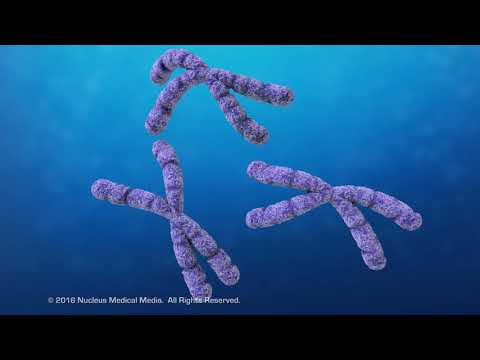
- Prophase: The DNA condenses into visible chromosomes. Each chromosome has two halves called chromatids.
- Metaphase: Chromosomes line up in the middle of the cell like kids in a line for recess.
- Anaphase: The chromatids get pulled apart to opposite sides of the cell—like you pulling apart two toy figures!
- Telophase: New nuclear membranes form around each set of chromosomes.
Once mitosis wraps up with telophase, another process kicks in called cytokinesis. This is where the actual splitting happens! The cell membrane pinches in to create two distinct daughter cells.
With meiosis being a bit more complicated, let me give you the lowdown quickly:
- Meiosis I: Here’s where homologous chromosomes (pairs from mom and dad) line up and get shuffled around before splitting into two cells.
- Meiosis II: Just like mitosis but without another round of DNA replication! The two new cells split again to form four unique gametes.
This shuffling of genetic material is why siblings can look different from each other or why you might inherit your grandma’s nose instead of your dad’s!
Now let’s talk about why understanding cell division is super important! Basically, disruptions in this process can lead to serious issues like cancer, where cells divide uncontrollably instead of following their usual “rules.” That’s scary stuff.
In my own life, I had this friend who got really into biology after learning about cancer research. It hit home when his mom was diagnosed; he realized just how crucial understanding cell division really was—not just for scientists but for everyone since treatments rely on this knowledge.
So there you have it—cell division isn’t just a boring science concept; it’s fundamental to life itself! Whether you’re healing a scrape or figuring out if you’ll have your dad’s blue eyes or your mom’s curly hair, it’s all thanks to these tiny yet mighty processes happening right under our noses!
Unveiling the Blueprint of Life: The Discovery of DNA’s Role in Biology
When you think about life, it might be easy to take it for granted. But at the very core of every living thing, there’s a molecular alphabet just waiting to spell out everything about us. I’m talking about DNA. It’s like the instruction manual for life, and figuring out how it works has been a wild ride through science history.
So, what exactly is DNA? Well, DNA stands for deoxyribonucleic acid. It’s a long molecule made up of two strands that twist around each other to form a structure called a double helix—kind of like a spiral staircase! Each step of this staircase comes from smaller units called nucleotides, which are made up of four base pairs: adenine (A), thymine (T), cytosine (C), and guanine (G).
These bases pair up in a very specific way: A with T and C with G. This pairing is crucial because it allows DNA to replicate itself when cells divide—a process that’s central to growth and healing.
- Cell Division: So here’s where the magic happens! Every time our cells need to divide, which they do constantly, they make copies of their DNA. This ensures that each new cell gets an identical set of instructions.
- The Role of Genes: Not all parts of DNA are the same; some sequences function as genes, which can tell cells how to build proteins. Proteins are what do most jobs in your body—like repairing tissues or breaking down food.
- Mitosis vs. Meiosis: Now there are two main types of cell division: mitosis and meiosis. Mitosis is like cloning; one cell divides into two identical daughter cells. Meiosis, on the other hand, is used for making eggs and sperm and involves two rounds of division to create four unique cells.
You know what’s really fascinating? If you were to unravel all the DNA in your body and lay it out end-to-end, it would stretch from here to the sun and back! That’s roughly 93 million miles! Crazy how something so tiny has such a huge impact on everything around us.
The journey to understanding DNA wasn’t straightforward at all. In the early 20th century, scientists were puzzled over how traits were passed down through generations until they started piecing things together through experiments with bacteria and fruit flies—yeah, those little guys have made significant contributions! Once Watson and Crick discovered that double helix in 1953 using x-ray diffraction data from Rosalind Franklin, everything changed.
This wasn’t just about biology; understanding DNA opened doors for various fields—think medicine or genetics—can you even imagine modern healthcare without this knowledge? From genetic engineering to cloning sheep named Dolly—it’s all connected!
The discovery of DNA’s role in biology was basically like finding the key under the mat that everyone has been stepping over but couldn’t see for ages. Now that we know how foundational these molecules are to life itself—and not just human life—you follow me? Plants have DNA too! It turns out every living organism on Earth shares this common language.
In summary, deciphering DNA was crucial not only in understanding what makes us human but also why our bodies work the way they do. From cell division playing out in real-time inside us every day—to groundbreaking medical advancements fueled by this knowledge—it’s pretty clear why we’re so fascinated by our own genetic blueprints!
You know, cell division is one of those things that, on the surface, sounds kinda simple but is actually super mind-blowing. Seriously! Imagine this tiny unit, like a microscopic jellybean, splitting itself in two so that life can keep thriving. It’s basically the blueprint of life unfolding right before our eyes, and it all happens without us even noticing it most of the time.
I remember when I was a kid, I saw a time-lapse video of a plant growing. It was wild to see how little seeds could sprout into these vibrant plants in just a matter of days. And guess what? That transformation is all thanks to cell division. Cells are like the building blocks—they multiply and differentiate to create everything from leaves to flowers. So beautiful!
There are actually a couple of types of cell division that you should know about: mitosis and meiosis. Mitosis is like when your cells replicate just for growth or repair; you know, like when you get a cut and your skin cells rush to seal it up. Then there’s meiosis, which is more about making those special sex cells—sperm and eggs—so new organisms can come into being.
It blows my mind how coordinated this whole process is! Imagine hundreds of billions of cells doing their thing at once without crashing into one another or causing chaos. It’s kind of like an intricate dance performance where every dancer knows their cue and position perfectly.
Of course, things don’t always go as planned. Sometimes errors happen during cell division—like the cells misbehaving and not splitting correctly—which can lead to things like cancer. Almost feels poetic in a tragic way, right? That something so essential for our survival can also go horribly wrong.
So yeah, cell division isn’t just some boring biological process; it’s this continuous dance that keeps life rolling along smoothly. And when you think about it in those terms, well, it gives you that sense of connection with every living thing around you—plant or animal or even human! Isn’t it amazing how we’re all built on this intricate foundation? Just goes to show how wonderful—and sometimes complicated—life really is!