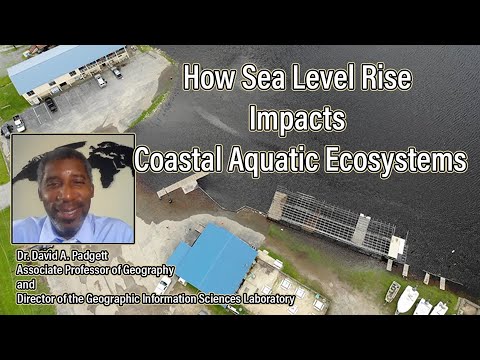
You know that feeling when you’re at the beach, toes in the sand, waves crashing nearby? It’s like pure bliss—until that one rogue wave sneaks up and gets your phone all wet. Ugh! But seriously, those waves are doing more than just ruining selfies. They’ve got a lot to do with sea level rise.
And here’s the thing: it’s not just about getting your feet wet. Coastal ecosystems are facing some pretty serious challenges. We’re talking about marshes, coral reefs, and mangroves all feeling the heat—and the water!
Ever thought about what happens when the ocean creeps inland? Oof! It can really change everything for those little critters that call these places home. You might be sitting there thinking, “What can I do?” Well, stick around! It’s a wild ride through rising tides and shifting shores.
Impact of Rising Sea Levels on Human Populations: A Scientific Analysis
So, let’s chat about sea level rise and how it’s like, totally shaking things up for people living by the coast. You know, this isn’t just some science fiction scenario—it’s happening now. As glaciers melt and oceans warm up, water levels are creeping up. The thing is, this rise poses **serious challenges** for a lot of human populations.
What causes sea levels to rise? Well, there are a couple of main players here. First off, when you heat water, it expands. That’s called thermal expansion. So as our planet warms up—which is kinda a big deal—sea water starts getting bigger. Then there’s the melting ice from glaciers and polar regions. That’s like putting an ice cube in your drink: as it melts, the drink level rises.
Now, you might wonder why we should care about this whole sea-level thing? For coastal communities, rising waters can mean losing land. Think about places like Miami or New Orleans; their streets are already starting to feel the squeeze! Higher sea levels lead to **flooding**, which can ruin homes and displace families.
Another point to note is that **saltwater intrusion** becomes a big issue too! When the ocean pushes inland because of high tides or storms—thanks to that rising sea—freshwater supplies start getting contaminated with saltwater. Not cool for drinking or agriculture!
- Loss of Habitat: Ecosystems like mangroves and wetlands get submerged.
- Increased Flood Risk: Higher tides during storms can lead to more severe flooding events.
- Economic Strain: Property damage means less tax revenue for local governments.
I remember visiting a coastal town once where they said they had lost part of the beach within just a few years! It was wild seeing how quickly things were changing—the sand used to be right beside these cute little shops but now… it felt miles away.
And let’s not forget about displacement! Whole communities might need to move if their homes become uninhabitable due to flooding or erosion. Imagine having lived in one place your whole life and then suddenly having to pack everything up and leave because of rising waters? It’s heartbreaking!
What scientists are saying is pretty clear: if we don’t take action against climate change now, we’re looking at some serious future challenges for millions of people living in low-lying areas around the globe.
So yeah, while it’s easy sometimes to feel detached from climate science or think “oh well that won’t affect me,” it really does hit home for so many folks already dealing with these issues head-on today! The clock’s ticking—a change is needed if we want our coastlines—and communities—to survive tomorrow rather than just slowly slip away under those waves.
Comprehensive Sea Level Rise Projections: Visualizing Future Impacts Through Scientific Mapping
Sea level rise is a real and pressing issue that’s affecting our planet right now. As ice sheets melt and oceans expand due to warming temperatures, coastal areas are feeling the impact. It’s not just about water getting higher; it’s a complex situation that can completely change ecosystems by flooding habitats, altering salinity levels, and threatening species.
So, what does this mean for coastal ecosystems? Well, let’s break it down. You’ve got mangroves, marshes, and coral reefs that serve as critical buffers against storms and provide habitat for countless species. Now imagine those areas flooded with more saltwater than they can handle or just disappearing altogether. That kind of transformation puts many plants and animals at risk.
But it gets even more complicated due to things like erosion and habitat loss. When sea levels rise, shorelines erode faster. As beaches wash away, nesting sites for birds disappear too. Basically, whole communities of creatures can be wiped out if we’re not careful.
Now let’s talk about projections. Scientists use various models to predict how much sea levels will rise in the coming decades. They create detailed maps to illustrate potential impacts on different regions. These projections depend on factors like greenhouse gas emissions and the melting rates of polar ice sheets.
- Low emissions scenario: Under this scenario, scientists project around 1-2 feet of sea level rise by 2100.
- High emissions scenario: With higher emissions, that could shoot up to 6 feet or more!
These projections aren’t just numbers; they represent real threats to communities worldwide. For instance, parts of Miami are already experiencing “sunny day flooding” due to high tides spilling over onto streets even on clear days!
Visualizing all this through maps helps us understand where these changes will hit hardest. They show vulnerable areas clearly so folks can take action before it’s too late. For example, mapping tools allow local governments to see which neighborhoods might need better drainage systems or even relocation plans.
The future isn’t set in stone though! You can still make a difference. By cutting down on carbon emissions and supporting policies aimed at protecting coastlines, every little bit helps. Protecting and restoring natural buffers like wetlands is crucial too—those ecosystems do an amazing job at absorbing excess water.
So yeah, while sea level rise poses serious concerns for coastal ecosystems—and us—it also offers an opportunity for collective action. With awareness comes the chance to adapt and mitigate some of these effects together!
Exploring the Three Primary Causes of Sea Level Rise: Insights from Oceanography
Sea level rise is one of those topics that feels like it’s all the rage these days, but seriously, it’s a big deal for our planet and coastal ecosystems. When we talk about why sea levels are rising, we usually point fingers at three main culprits. Let’s break them down.
1. Melting Glaciers and Ice Sheets
First up, you have melting glaciers and ice sheets. So, think about those massive blocks of ice in places like Greenland and Antarctica. As temperatures heat up—thanks to climate change—these icy giants start to melt away. It’s wild; every year, we lose billions of tons of ice! When that ice melts, it flows right into the ocean, which obviously makes the sea level go up. For coastal areas with beautiful beaches and rich ecosystems, this is like a double whammy.
2. Thermal Expansion
Next is thermal expansion. This one’s a bit easier to grasp—when water warms up, it actually takes up more space. Crazy, right? So as our oceans warm from climate change, they expand and take over more land than they used to! To put it simply: warmer water equals higher sea levels. This can be particularly hard on coral reefs and other marine habitats that need stable conditions to thrive.
3. Groundwater Extraction
Now let’s chat about groundwater extraction. You might not have thought about this one before! When we pump out groundwater for things like agriculture or drinking water—it eventually ends up in the ocean too after being used and returned as runoff or wastewater treatment discharge. Basically, we’re taking water from below the ground and adding it back to the sea over time because most of that extracted groundwater eventually makes its way into rivers and oceans.
So there you have it! These three causes—melting glaciers and ice sheets, thermal expansion of warming waters, and groundwater extraction—are driving global sea level rise and causing quite a stir in coastal ecosystems.
And if you’re living near the coast? Well then you probably know all too well that rising seas can lead to flooding, erosion of shorelines, and even loss of habitats like wetlands which are crucial for fish breeding grounds.
In short: **it’s a complex issue**, but understanding these causes is key to figuring out how we can tackle the effects on our precious coastal ecosystems.
You know, when I think about sea level rise, I can’t help but picture that one summer trip to the beach with my family. It was a blast—we built sandcastles, collected seashells, and went for long walks along the shoreline. I remember a moment when a wave lapped at my feet faster than expected, creeping up closer than it had before. It’s a small memory, but it sort of stuck with me. Fast forward to today, and I’m realizing just how much those playful waves are telling us.
So here’s the thing: sea level rise is happening because of climate change. Ice caps are melting and water is expanding as it warms up—basically, more water in the ocean means higher levels lapping at our coasts. But it’s not just about our beach days; this has serious implications for coastal ecosystems.
Think about wetlands—those beautiful areas where land meets water. They’re like nature’s sponges, soaking up excess rain and providing habitats for countless critters. When sea levels rise, these wetlands can get flooded or even drowned out! That means less habitat for birds and fish that depend on these areas for survival.
Coral reefs? Yeah, they’re taking a hit too. Warmer waters stress them out, causing coral bleaching—when corals lose their color and health—and higher seas mean they can’t thrive properly anymore. It’s heartbreaking because reefs are bustling underwater cities that support diverse life forms.
And let’s not forget about us humans living in coastal regions! Cities like Miami or New Orleans face increased flooding risks as sea levels inch higher and higher. Imagine waking up to find your once-familiar neighborhood slowly disappearing beneath saltwater! That’s something we need to consider seriously.
It makes me think—we’re all connected in this web of life, right? The changes we see in our oceans affect everything from animal species to human communities. So when you’re enjoying the beach next time or watching a sunset over the water—remember that those rising tides tell a story about our planet’s health.
In short, sea level rise is more than an environmental issue; it affects ecosystems that nurture life above and below the surface. And if we want to preserve those idyllic beach memories or even just enjoy nature’s beauty down the line, it’s crucial we pay attention now before waves wash too much away for good.