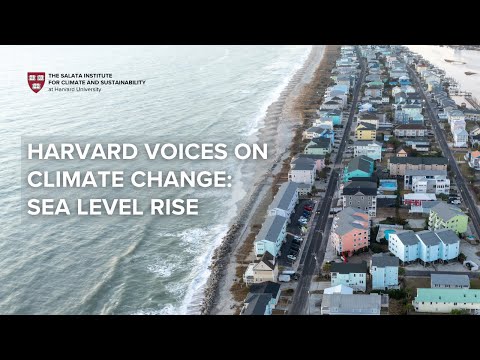
Okay, so imagine this: you’re at the beach, and suddenly you see a family of seals chilling on what was supposed to be a nice sandy spot. The ocean just pushed in further than usual! It’s like Mother Nature decided to play a game of musical chairs—and guess what? The chairs are disappearing!
Now, here’s something to chew on: sea levels are rising. Yeah, that’s not just some doom-and-gloom headline. By 2050, we could be looking at some pretty serious changes along coastlines everywhere. That means big implications for people, ecosystems, and maybe even your next beach vacation.
So let’s break it down, shall we? What does all this mean for us? And how can we wrap our heads around something as massive as the ocean creeping up on land? Grab a snack; this is going to be interesting!
Predicting Coastal Vulnerability: US Cities at Risk of Flooding by 2050
Sure! Let’s break down the whole deal about predicting coastal vulnerability and which US cities might be at risk of flooding by 2050. It’s kind of a big deal, so let’s get into it.
Sea Level Rise: What’s Going On?
So, first off, sea levels are rising due to two main culprits: melting ice caps and glaciers, and thermal expansion of water as it warms up. Essentially, as the Earth heats up from climate change, it’s causing our oceans to expand and ice to melt—a recipe for higher waters.
Now, by 2050, projections suggest that sea levels could rise anywhere from 1 to 2 feet along parts of the U.S. coast. That might not sound like a lot at first, but trust me—it can lead to major problems for coastal cities.
Why Should We Worry?
Here comes the kicker: rising seas aren’t just about taking your beachfront property away. They can also increase flooding during storms, lead to more frequent high-tide flooding (yep, that’s a thing), and even cause saltwater intrusion into freshwater sources. It’s really like dominoes falling one after another.
So which cities are in the hot seat? Here are some key players:
- Miami, Florida: This place is practically ground zero for sea level rise in the U.S. With its low elevation and porous limestone bedrock, rising waters can seep in fast.
- New Orleans, Louisiana: Already well-known for its struggles with flooding; the city sits below sea level. More water means more pressure on levees that aren’t exactly young.
- Virginia Beach, Virginia: This city has been experiencing regular flooding during high tides already! Projections show worsening conditions—yikes!
- Charleston, South Carolina: Charming city but could see significant risks from flooding if no action is taken soon.
- Boston, Massachusetts: It might surprise some people that this historical hub is at risk too; it’s facing issues with storm surges due to rising seas.
What Happens Next?
You might be wondering what can be done about all this? Well, cities are starting to take action—some are building sea walls or restoring wetlands that act as natural barriers. Others are looking at better drainage systems or even relocating certain areas entirely. It’s a tough conversation but necessary.
On a personal note— I have this vivid memory of visiting Miami Beach a few years ago; standing there on the shore was magical until I noticed how close those waves got during high tide. Made me think about my kids growing up in such places—what will they face?
All this information points to one clear fact: proactive measures now could help mitigate future damage. Flooding isn’t just an environmental issue; it’s social and economic too!
The Bottom Line: Coastal cities need awareness and quick action on their vulnerabilities if they want any chance against impending floods by 2050. You follow me? It’s all connected—a lot depends not just on scientists or politicians but also on community awareness and change!
Stay informed; it helps everyone make better choices moving forward!
Future Scenarios: The Impact of Rising Sea Levels on U.S. Geography and Ecosystems
So, let’s talk about something that’s kind of a big deal: rising sea levels and what they mean for the U.S. geography and ecosystems in the future. It might sound a bit heavy, but hang with me!
Why Are Sea Levels Rising? Well, it’s mostly due to two things. First off, as the planet warms up (thanks to climate change), glaciers and ice sheets melt. That adds more water to the oceans. Secondly, water expands when it heats up, so warmer ocean waters take up more space, which raises the sea levels too.
By 2050, a lot of experts predict that sea levels could rise by about 1 to 2 feet in many coastal areas of the U.S. Sounds manageable? Maybe not! This can have serious repercussions on both land and wildlife.
What Does This Mean for Geography? Let’s break this down:
- Coastal Erosion: Beaches and shorelines are going to face some serious erosion. Places like Florida and Louisiana could see huge chunks of land wash away.
- Permanent Flooding: Areas that used to be safe from flooding might regularly be underwater. Think about cities like Miami or New Orleans—those places will have to adapt pretty fast!
- Aquifer Salt Intrusion: Coastal aquifers (water sources underground) are at risk too. If saltwater creeps into these freshwater sources, it’ll mess with drinking water supplies.
You know what happened during Hurricane Sandy? That storm caused significant flooding in New York City, highlighting just how vulnerable big cities can be when sea levels rise.
Ecosystem Impacts: Not only humans have to worry—let’s consider our wildlife buddies too! Rising sea levels can really shuffle things around in ecosystems.
- Wetland Loss: Wetlands act like natural flood barriers and wildlife habitats. As sea levels rise, these important areas might completely disappear.
- Migratory Patterns Altered: Animals dependent on specific habitats (like shorebirds) may find themselves without their usual nesting spots as beaches shrink.
- Biodiversity Threatened: Ecosystems that are already fragile can suffer from changes introduced by rising waters. Let’s take coral reefs—these beauties need specific conditions to thrive; even slight changes can harm them.
So really, we’re talking about potential disruption on multiple fronts here—not just where people live but also affecting all sorts of creatures trying to make their homes along coastlines.
A Look Ahead: What do you think will happen if we don’t do something about this? We might see increased migration away from coastal areas as people look for safer places to live. Additionally, policymakers will need to get serious about planning for resilient infrastructure—a fancy term for making sure buildings and roads can withstand flooding.
In short, rising sea levels are a bit of a ticking time bomb for geography and ecosystems in the U.S., escalating faster than some might think! We’ve got some work cut out ahead of us if we want to protect both our homes and those beautiful ecosystems that give life to our planet’s shores!
Projected Sea Level Rise by 2100: Implications for Coastal Ecosystems and Urban Planning
So, let’s talk about the ocean and what it’s doing to our coastlines. When scientists say the **projected sea level rise by 2100** is a big deal, they really mean it! We’re looking at some serious changes that could affect everything from our beaches to our cities.
What’s causing this? Well, it’s mostly due to two things: **glacier melting** and **thermal expansion** of seawater as it warms. Basically, warmer temperatures make ice melt faster and cause water to take up more space. Just picture how a balloon expands when you blow air into it! This rising water isn’t just a number on a chart; it has actual implications.
Now, let’s get into the *coastal ecosystems.* These areas are super rich in biodiversity—think mangroves, coral reefs, and wetlands. Rising seas can lead to:
- Habitat loss: Animals like shorebirds or turtles lose their nesting sites. These creatures depend on specific environments that might just disappear.
- Saltwater intrusion: Brackish water moves inland, messing with freshwater ecosystems and making life tough for fish and plants that can’t handle too much salt.
- Erosion: Beaches that are eroded by higher waves can lose their charm—and their tourists!
And let’s not forget about urban planning. Imagine trying to build or maintain a city right next to this rising tide! When city planners look at projections for 2100, they have some tough questions to answer:
- Infrastructure resilience: Roads, bridges, and buildings need to be built higher or stronger than before. Otherwise, we could see them being swept away during storms.
- Zoning laws: These might need adjustments too—like restricting new constructions in high-risk areas.
- Sustainable solutions: Green infrastructure like **wetlands restoration** or artificial barriers could help absorb some of that rising water.
There are real people living in these areas. I remember chatting with a friend who grew up near New Orleans. She told me how her childhood home was just blocks from the bayou where she used to fish with her dad. Now? Those blocks are underwater—or worse; they might be gone forever! It hits you hard when personal stories bring numbers to life.
So here’s the thing: By 2100, if we don’t change our habits around climate change and management of natural resources, we’re probably going to see some neighborhoods disappear under water and precious ecosystems stressed beyond repair.
To wrap it up (maybe a little like wrapping up a gift), understanding projected sea level rise isn’t just an academic exercise; it’s about real futures—ecosystems at risk and communities needing smarter urban planning strategies. If we want resilient cities and thriving coasts in the future, we’ve got some work ahead of us!
You know, when I think about the ocean, I picture this vast expanse of blue, filled with fish, whales, and maybe even a few treasure chests waiting to be discovered. It’s beautiful and powerful, but it’s also kind of scary when you consider what’s happening to it. Sea level rise is one of those things that just feels overwhelming sometimes. It’s wild to think about how much our world could change in just a couple of decades.
So, here’s the deal: by 2050, scientists predict that sea levels could rise anywhere from about one to two feet. That might not sound like a lot at first. I mean, you’re probably thinking: “What’s a couple of feet?” But then imagine this: you’re living in a coastal town, enjoying your beach days and sunsets over the water. Suddenly, with that rise in sea level, those lovely shorelines start creeping into your neighborhood. Homes could get flooded more often; roads you drive on might disappear under salty waves.
I remember visiting my grandmother’s house by the coast when I was a kid. We’d spend summers there making sandcastles and collecting seashells. The beach felt like an endless playground! But now I think about how her house sits right where the ocean kisses the land—what will happen if it starts to kiss more? It makes me wonder how many families will have to pack up and relocate because their homes are literally washing away.
And it’s not just those picturesque beach towns that are at risk; major cities like Miami and New Orleans could face serious challenges too. With more flooding comes threats like infrastructure damage and fresh water contamination—a real domino effect if you ask me! Communities may become less stable as people are forced to move away from their homes due to rising tides.
Let’s talk ecosystems for a second. Coastal habitats like mangroves or coral reefs are crucial for marine life and also act as natural barriers against storms. As sea levels rise, these ecosystems can be severely disrupted or even wiped out completely. Less protection means bigger waves hitting shorelines harder during storms—a scary thought for anyone living nearby!
It can feel daunting sometimes when you see these projections floating around in reports or news articles—like we’re on this rollercoaster with no way off! But it also sparks conversations about solutions and innovations we can pursue together. Maybe we can create better urban planning strategies or invest in green infrastructure that helps absorb some of this excess water.
If anything gets me hopeful amidst all this data and doom-and-gloom talk, it’s seeing people come together around these issues. Scientists brainstorming ways to save vulnerable areas; communities rallying behind sustainable practices—it shows there’s still time for us to make a difference before 2050 sneaks up on us.
At the end of the day, thinking about projected sea level rise really is more than just numbers on a page; it’s about our homes, our communities, and everything we love being impacted by something much bigger than ourselves—something we can’t afford to ignore anymore!