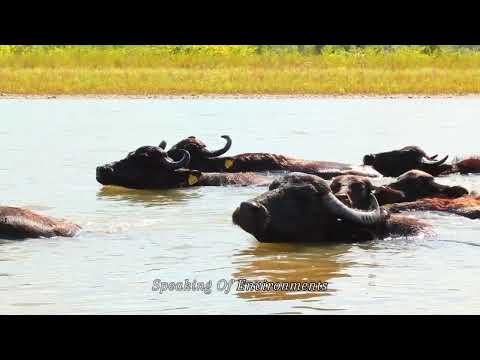
You know, the first time I ever saw a buffalo up close, I was totally blown away. I mean, these massive creatures just lumbering around like they own the place! It’s hilarious to think about how such a big animal can be so… fluffy?
But there’s way more to buffalo than just their adorable, woolly appearance. Seriously! They play an essential role in keeping ecosystems balanced. It’s not just about looking cool in nature documentaries—they’re actually kind of like the unsung heroes of the plains.
So let’s chat about buffalo anatomy and their impressive role in nature. Because trust me, once you dig into it, you’ll see just how intertwined they are with everything else around them!
The Ecological Role of Buffalo: Insights from Conservation Biology
Buffalo aren’t just big, lumbering animals; they play a crucial part in their ecosystems. Seriously, these massive creatures do a lot more than just look tough and graze on grass. Their role goes way beyond what you see on the surface, and it’s super important for maintaining ecological balance.
First off, let’s talk about grazing. Buffalo are grazers, meaning they eat a whole bunch of grasses and other plants. When they graze, they help control plant growth. It’s kind of like a natural lawnmower that keeps the grass at a healthy height. Imagine the savanna or prairies getting overrun by tall grass; that could totally mess with other species that rely on shorter vegetation for food or shelter.
Then there’s the aspect of nutrient cycling. As buffalo munch away on plants, they also leave behind manure. Yeah, not the most glamorous topic, but bear with me! Their droppings are packed with nutrients like nitrogen and phosphorus, which replenishes the soil. This creates rich ground where new plants can grow. So basically, buffalo help fertilize their own habitat—and that’s pretty cool!
Moreover, buffalo have this thing called compaction. When they walk around heavy-footed on the ground (these guys weigh like a ton), it compresses the soil. Now you might think this sounds bad—but in moderation, it can actually be beneficial! Compacted soil prevents erosion and retains water better during dry spells. Just picture those lush green patches popping up after some rain because of that compaction!
Buffalo also create habitat diversity. They’re not just munching away aimlessly; as they graze in different areas, they create varied habitats for other animals and plants to thrive in. Some species prefer open space while others might need cover—buffalo help create these little niches through their feeding habits.
And what about those pesky invasive plants? Well, buffalo are known to favor native grasses over non-native ones. By grazing selectively on invasive species, they can keep those unwanted plants at bay and give native flora a fighting chance to flourish.
In terms of social structure, buffalo often roam in herds. This communal living impacts their environment too! Herds can help manage landscapes as their movements encourage plant growth in some areas while temporarily suppressing it in others. It’s all connected—a real symbiotic dance happening right under our noses!
So next time someone mentions buffalo at a picnic or during a hike through the wild, remember these gentle giants are more than just cool critters; they’re vital players in an intricate ecological game. You know what I mean? They’re like nature’s team players working hard to keep things balanced out there!
The Ecological Significance of Water Buffalo: Understanding Their Role in Ecosystem Dynamics
Water buffalo are more than just big, friendly creatures that you might see cooling off in a muddy pond. These animals play a huge role in the ecosystems where they reside, and their impact is pretty fascinating.
The anatomy of water buffalo contributes significantly to their ecological presence. They’re massive animals with thick skin, strong legs, and big, curved horns. Their size allows them to trample through dense vegetation and create paths for smaller animals. This isn’t just about making it easier for them; it can be a game changer for the entire habitat!
Now, let’s talk about grazing. Water buffalo are natural grazers, and when they munch on grasses and other plants, they’re not just filling up their bellies. They actually help maintain biodiversity. By eating certain plants while leaving others alone, they keep the plant life balanced. It’s like having a nature’s gardener! Without this balance, some plants could take over and choke out others.
- Nutrient Cycling: When water buffalo defecate in the fields or near water sources, they’re spreading nutrients around. Their dung is packed with organic matter which enriches the soil.
- Habitat Creation: By wallowing in mud or shallow water bodies, they create pools that benefit various species – think frogs and insects!
- Pest Control: The muddy wallows also help cool them down while deterring pesky insects. Less bites for them means less dependence on harmful chemicals!
Here’s an interesting tidbit: In many rice paddy fields across Asia, water buffalo are used to plow fields before planting season. Their labor helps cultivate soil without heavy machinery that may harm the ecosystem. Imagine this—working side by side with these gentle giants keeps both tradition alive and supports the local environment.
Their social structure is pretty cool too! Water buffalo often live in herds which affect how they interact with their habitat. Being in groups can lead to better foraging as some members keep watch for predators while others feast on sweet grass.
I remember visiting a rural area where farmers relied on these magnificent beasts not only for work but also as companions. Seeing how integrated they were into daily life—it was touching! It highlighted just how interconnected we human beings are with other species when we respect our ecosystems.
The role of water buffalo extends beyond just their physical presence—they symbolize sustainable practices that have been around for ages. Their participation in ecosystems shows us that every creature has its part to play in maintaining balance.
In short, if you ever find yourself near a water buffalo (or one of their muddy homes), take a moment to appreciate what they do! These large animals contribute immensely to their environments—through grazing habits, nutrient cycling, and community dynamics—keeping our ecosystems thriving.
The Ecological Impact of Bison: Essential Contributors to Ecosystem Health and Biodiversity
You know, bison are often called the giants of the plains, and they play a pretty vital role in their ecosystems. They don’t just roam around looking majestic; their presence actually shapes habitats, which is super cool when you think about it. So let’s break down why these big guys are so important for ecosystem health and biodiversity.
First off, bison are natural grazers. They munch on grasses and help control plant growth. Without them, some grass species could take over and choke out others, right? This grazing creates a mix of plant life that makes habitats more diverse. It’s kind of like having a balanced diet for plants! They keep the ecosystem healthy by promoting different types of vegetation.
Their wandering habits also create paths through dense areas. As they move across the landscape, they trample down certain plants, which leads to soil aeration. When soil gets aerated, it becomes easier for roots to grow and water to penetrate deeper. This means healthier plants overall. And you know what that leads to? A boost in all kinds of critters that depend on those plants!
Speaking of critters, bison droppings are like goldmines for biodiversity. Seriously! Their poop contains seeds from various plants as well as a bunch of nutrients. When other animals come along and either eat the seed or help scatter it around, you get new plant growth in different places. It’s like nature’s own delivery service for new life! Think about how many organisms depend on those plants – insects, small mammals, birds – they all thrive because bison have been doing their thing.
The grazing habits also impact the local water systems. When bison graze near streams or rivers, they can help maintain healthy banks by preventing overgrowth of certain vegetation there too. That keeps erosion at bay and protects water quality as well! You follow me?
Another cool thing is that bison create walls—not literal walls but more like barriers in terms of habitats. Their presence influences where other animals can live and find food because certain species rely on open spaces or specific types of vegetation that only exist because of bison activity.
You might think all this sounds pretty beneficial for ecosystems—and it is! However, populations need to be managed carefully since too many or too few bison can lead to problems elsewhere in the ecosystem. It’s all about balance.
If we didn’t have these magnificent creatures roaming our prairies anymore? We’d see some serious changes: fewer species surviving due to loss of habitat diversity and changing plant life dynamics. That would ripple through food chains not only affecting them but also us humans who rely on these ecosystems.
In short—bison aren’t just big furry animals; they’re major players in maintaining ecological balance and fostering biodiversity wherever they roam! Think about how important they are next time you see one strutting its stuff!
Alright, let’s chat about buffaloes for a minute. These massive beasts are more than just a big presence on the savanna or a cool animal to see at the zoo. Seriously, when you look at them, you can’t help but be in awe of their sheer size and strength! But there’s so much more going on under that tough exterior than you might think.
So here’s the deal: buffalo anatomy is kind of fascinating. They have these strong legs that allow them to roam vast distances in search of food and water. Their digestive system, which is pretty specialized, helps them break down tough grasses—yep, they’re herbivores munching away like it’s nobody’s business. And let me tell you; they can eat a lot! This is crucial because it keeps grasslands healthy. When they graze, they can actually promote new plant growth. Like, who knew these gentle giants could be so beneficial?
One time I was out hiking and stumbled upon a herd of buffalo grazing in an open field. It was surreal watching them interact with each other and their environment; some were just lounging around while others were actively munching on grass. It hit me then how interconnected everything is in nature. You see, when buffalo eat, they help shape the landscape by controlling plant populations—not to mention their droppings act as fertilizer! It’s like they have this unintentional role as caretakers of their ecosystem.
And then there’s the whole social aspect too! Buffaloes are known for being social animals; they often live in herds. This isn’t just for safety but also creates opportunities for interactions with other species—think about all the birds or small mammals that might benefit from hanging around these big guys. You know what I mean? They’re part of this intricate web where every creature plays its part.
But here’s something to ponder: as buffalo populations decline due to habitat loss and hunting pressures, it really messes with that balance we talked about earlier. Ecosystems need these players; without them, things can start to tilt off-kilter.
It makes you think about our roles too—how we fit into all this. We’re not just observers; we have an impact on ecosystems too! Every little action counts—and this goes from supporting conservation efforts to simply respecting wildlife when we’re out enjoying nature.
So yeah, next time you hear about buffaloes or see one on a nature show or something, take a moment to appreciate not just its size but also its role in maintaining ecosystem balance. They’re not just animals; they’re vital pieces of a larger puzzle—all working together to keep our planet thriving. And that’s pretty amazing if you ask me!