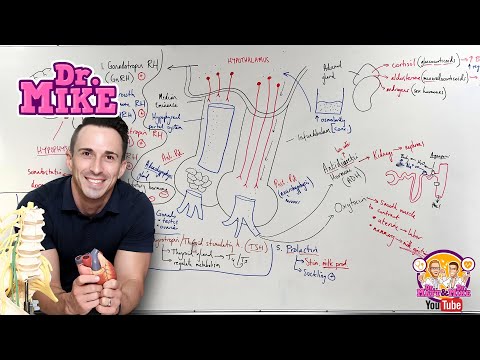
You know that moment when you’re feeling all energetic and jazzed about life, but then, outta nowhere, you just crash? It’s like your body has its own rollercoaster ride going on. Well, guess what? The little champs called the hypothalamus and pineal gland play a major role in this wild hormonal adventure.
These tiny parts of your brain are like the conductors of an orchestra, making sure everything is in harmony. Without them doing their thing, life would be a chaotic mess—like trying to bake without a recipe! So let’s chat about how these two players keep our hormones balanced and help us ride that wave of energy (or chill) just right. Sounds good?
Exploring the Functions of the Hypothalamus and Pineal Gland: Key Roles in Endocrinology and Neurobiology
Hey there! So, let’s chat about the hypothalamus and pineal gland. These two tiny structures in our brains are like the backstage crew of a concert—super important but often overlooked. They play crucial roles in regulating hormones and keeping everything in balance.
First up, the hypothalamus. It’s a small region at the base of the brain, but don’t let its size fool you. It’s like your body’s command center for things that are, well, essential for survival.
- One of its main jobs is to control the pituitary gland, which is often called the “master gland” because it regulates several other hormone glands in your body.
- The hypothalamus helps manage things like hunger, thirst, sleep, and even body temperature!
- For example, when you’re cold, it tells your body to shiver to warm up. Pretty cool, right?
You know that feeling when you’re super stressed? The hypothalamus kicks into action by releasing hormones that trigger your “fight or flight” response. It’s kind of like having an internal superhero ready to save the day by getting your heart racing!
Now let’s not forget about the pineal gland. This little guy is about the size of a grain of rice and sits just above where your neck meets your head. Its main claim to fame? Melatonin production.
- The pineal gland creates melatonin when it gets dark outside—this hormone helps control your sleep-wake cycle.
- If you’ve ever felt sleepy after sunset or wide awake at midnight because of too much screen time—that’s melatonin doing its thing (or not doing its thing!).
- The pineal also helps regulate seasonal rhythms. It’s like your body’s way of tracking time based on daylight hours.
When we get enough melatonin from the pineal gland while we sleep soundly through a dark night—it feels amazing! You wake up refreshed instead of groggy.
So here’s how they connect: both glands work together as part of your body’s intricate hormonal orchestra. When the hypothalamus senses that it’s dark out, it signals to the pineal gland to pump out melatonin which gives you those much-needed ZZZs.
But if life gets chaotic—like too many late nights or stress from work—this whole system can get thrown off balance. Too little melatonin can lead to trouble sleeping or feeling irritable during daytime.
Understanding these two structures gives insight into how interconnected our bodies really are! Both play essential roles in maintaining hormonal balance; without them firing on all cylinders, you might find yourself feeling just a bit outta whack.
So next time you’re waking up groggy or feeling a bit anxious about life, it might just be your hypothalamus and pineal gland needing some attention! Taking care of these parts can help keep you balanced and thriving—like they were meant to do all along!
The Hypothalamus: Key Regulator of Hormonal Control in Endocrine Science
The Hypothalamus is like the control center for your body’s hormones. It’s a small region located at the base of your brain, but don’t let its size fool you! This tiny part plays a huge role in regulating many important functions, from temperature control to hunger and sleep cycles. Seriously, it’s a big deal!
So what does it actually do? Well, the hypothalamus produces hormones that either stimulate or inhibit hormone production in other glands. It talks to the pituitary gland, which is often called the “master gland” because it directs other glands in your body. Think of it as a conductor leading an orchestra—without the hypothalamus setting the pace, everything would get out of whack.
Here are some key things about how it works:
- Temperature Regulation: If you’re getting too hot or cold, your hypothalamus will kick into gear. It makes you sweat when it’s warm and shivers when you’re chilly.
- Hunger and Thirst: Ever felt super hungry or thirsty? That’s your hypothalamus reminding you to eat or drink! It monitors nutrient levels and keeps your energy balanced.
- Sleep-Wake Cycle: The hypothalamus helps control your sleep patterns by responding to light and darkness. It’s linked to our friend, the pineal gland, which secretes melatonin—one of those hormones that helps you snooze!
Now let’s talk about this connection with the pineal gland. So picture this: while the hypothalamus is keeping tabs on various bodily functions, the pineal gland comes in with melatonin when it’s time to sleep. This hormone peaks at night and dips during daylight hours. You could think of them as partners working together to help regulate your daily rhythm.
Another cool aspect is how stress impacts these two players. When you’re stressed out—maybe after a rough day at work—the hypothalamus releases a hormone called CRH (Corticotropin-Releasing Hormone). This sparks a chain reaction leading to cortisol release from the adrenal glands. Cortisol is often termed “the stress hormone,” and it can really mess with other hormonal balances if it sticks around for too long.
But let’s not forget about feedback loops! The body has these clever ways of self-regulating hormones. For example, if there’s too much cortisol flowing around because you’ve been stressed for days (or weeks), that high level signals back through various pathways to tell both the hypothalamus and pituitary gland to chill out on producing more.
In short, without this little powerhouse—the hypothalamus—and its buddy, the pineal gland—our bodies would probably be way off balance. Hormonal control is complex but vital for health and well-being. Just imagine trying to function without them; life would be chaotic!
So next time you feel hungry or sleepy or even slightly off-kilter emotionally, just remember those tiny structures deep inside your brain are hard at work behind the scenes keeping things on track!
Understanding Pineal Gland Hormones: Key Regulators of Sleep and Circadian Rhythm in Endocrinology
The pineal gland is a tiny but mighty part of your brain, tucked away between the two hemispheres. It’s often called the “third eye”—not because it watches you while you sleep, but because it plays a crucial role in regulating your sleep patterns and circadian rhythms.
So, what does this little gland actually do? Well, it produces melatonin, the hormone that signals your body when it’s time to relax and hit the hay. Think of melatonin as your personal nighttime signal. When it’s dark outside, your pineal gland cranks up melatonin production, making you feel drowsy and ready for sleep.
But here’s the kicker: light exposure can mess with this process. You know how sometimes you’re wide awake just scrolling through your phone in bed? That’s because the blue light from screens can trick your brain into thinking it’s still daytime, leading to less melatonin and more tossing and turning at night.
Now let’s talk about the hypothalamus, which is like the maestro of hormonal balance in your body. It communicates directly with the pineal gland and other parts of the endocrine system to maintain homeostasis—basically, keeping everything running smoothly. The hypothalamus helps regulate thirst, hunger, temperature, and yes, even sleep cycles.
The interaction between these two players—the hypothalamus and pineal gland—is fascinating! The hypothalamus responds to light cues from the environment via specialized cells in your eyes. When it senses darkness approaching, it sends signals to the pineal gland to release more melatonin. Conversely, when there’s light—a beautiful sunrise or that annoying alarm clock—melatonin production slows down so you can wake up feeling refreshed (hopefully).
One interesting fact is that during puberty and adolescence, there’s a shift in melatonin secretion patterns. Teens often experience delayed sleep phase syndrome due to changes in their circadian rhythms. So if you’ve ever wondered why teenagers seem like night owls while younger kids are up with the sun? That’s part of it!
There’s also an intriguing connection between stress levels and pineal function. Too much stress can disrupt melatonin secretion; so if you’re feeling overwhelmed or anxious at night (who isn’t sometimes?), it can be harder for you to drift off into dreamland.
In summary:
- The pineal gland: Responsible for producing melatonin.
- Melatonin: Signals bedtime; influenced by light exposure.
- The hypothalamus: The control center for hormones; works closely with the pineal gland.
- Light exposure: Dark = more melatonin; light = less melatonin.
- Stress levels: Can negatively impact melatonin production.
Understanding how these hormones interact gives us insight into why maintaining a consistent sleep schedule is crucial for overall health. So next time you’re having trouble sleeping or feel groggy during the day, maybe give a thought to that little pineal gland working hard behind the scenes!
Okay, so let’s chat about this little duo in your brain: the hypothalamus and the pineal gland. Honestly, it’s kinda mind-blowing how these tiny structures play such massive roles in keeping us balanced. I mean, it’s like having two tiny control centers that manage hormones as if they were puppet masters behind the scenes.
So, the hypothalamus is like your body’s thermostat. It regulates a ton of stuff, from hunger to sleep to body temperature. Imagine being at a friend’s house party where the music’s way too loud—it’s that friend who walks over and turns it down a notch so everyone can chill out and enjoy themselves. That’s what the hypothalamus does with hormones! It communicates with your pituitary gland (the big boss of hormones) to make things happen or cool things down.
Then there’s the pineal gland, which sounds fancy but is super charming in its own right. It produces melatonin, which is basically your body’s natural sleep potion. You know those moments when you finally crawl into bed after a long day, feeling all comfy? That cozy feeling? Well, that’s melatonin kicking in and telling your body it’s time to wind down.
It makes me think back to when I was in high school—those late-night study sessions cramming for exams always messed with my sleep schedule. When you’re up all night stressing over math problems or essays, you’re not giving your brain enough time to produce that melatonin! It was like my pineal gland was waving its arms saying “Hey! We need some dark here!”
So you see, these two work hand-in-hand to ensure our hormonal balance stays on track. They respond like best friends who can finish each other’s sentences. When one goes out of whack—say if you’re not sleeping enough or stressed out—the other starts acting funny too.
But seriously, when you think about how much control they have over our moods and energy levels… it’s kind of wild! Maintaining harmony among hormones is crucial for our well-being; if one thing gets outta sync, everything else can get messy pretty quick. So yeah, next time you’re feeling off-kilter—like tired or cranky—maybe just give a little nod of appreciation to your hypothalamus and pineal gland for trying their best to keep things balanced for you!