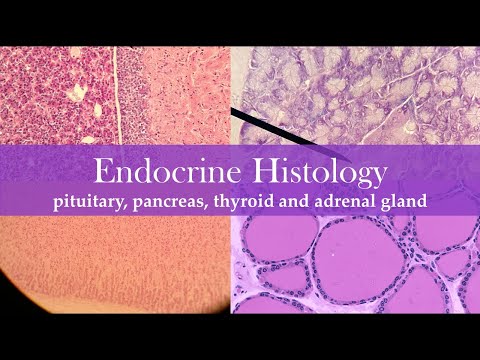
You know, when I first heard the word “adrenal,” I thought it was some fancy new energy drink or something! Turns out, it’s actually about these little powerhouses sitting on top of our kidneys. Crazy, right?
These glands are like tiny command centers in our bodies. They play a huge role in managing stress and keepin’ our energy levels up. Imagine them as the “pep talkers” for your body when life throws you a curveball.
But here’s the kicker: they’re not just about pumping out adrenaline (hence the name!). There’s a whole intricate world happening inside, and histology helps us peek behind the curtain at that structure. Stick with me and let’s unravel this adrenal mystery together!
Understanding the Histological Structure of the Adrenal Gland: A Detailed Analysis in Endocrine Biology
Sure! Let’s break down the histological structure of the adrenal gland in a way that feels like a chat over coffee.
The adrenal glands are these small but super important structures sitting on top of your kidneys. They play a big role in releasing hormones that help regulate metabolism, immune response, and blood pressure. It’s kind of crazy how tiny these glands are yet how crucial they are for so many body functions.
Now, if we look at their **histological structure**, we see that they’re divided into two main parts: the **cortex** and the **medulla**. Each part serves its own purpose and has its unique characteristics.
The Cortex is outer layer, and it’s made up of three zones:
- Zona Glomerulosa: This is the outermost layer. It produces mineralocorticoids like aldosterone, which helps control blood pressure by managing salt and water balance.
- Zona Fasciculata: The middle zone is where glucocorticoids like cortisol come from. Cortisol helps your body respond to stress and affects metabolism.
- Zona Reticularis: The innermost area makes sex hormones called androgens. These hormones influence things like libido and reproductive function.
Each layer has distinct types of cells. For instance, look at how the cells in the zona fasciculata are arranged—like columns or cords—facing each other with spaces in between for blood vessels, enabling efficient hormone release.
Then there’s the Medulla, which is deep inside the gland, you know? This part produces catecholamines such as adrenaline (epinephrine) and norepinephrine (noradrenaline). They’re essential for your body’s “fight or flight” response during stressful situations.
Histologically speaking, the medulla contains chromaffin cells that stain easily (hence their name), making it easier to see under a microscope. These cells just love to pump out those stress hormones when you need them most!
The whole adrenal gland is wrapped up in a capsule of connective tissue, providing strength and support—think of it as a protective bubble.
What’s even more interesting is how this structure can change due to factors like stress or disease. For example, chronic stress can lead to an enlarged cortex because it’s churning out more cortisol than usual.
So yeah, understanding the histological structure of these glands isn’t just about looking at slides under a microscope; it’s about grasping how vital they are for keeping your body balanced amid all kinds of challenges.
In short: adrenal glands = tiny powerhouses with a complex design that help you handle stress every single day!
Histological Techniques in Diagnosing Adrenal Disorders: Insights from the Field of Pathology
The adrenal glands, those tiny little hats on top of your kidneys, play super crucial roles in your body. They’re responsible for producing hormones like adrenaline and cortisol, which help you deal with stress and regulate metabolism. When things go awry in these glands, it can lead to disorders that mess with your overall health. But how do doctors figure out what’s going wrong? That’s where histological techniques come into play.
Histology is basically the study of tissues at a microscopic level. When diagnosing adrenal disorders, pathologists use it to look closely at the structure of adrenal gland tissues. First off, they’ll usually start with a biopsy. This involves taking a small sample of the gland and then preparing it for examination.
During this process, the tissue sample is fixed using a chemical solution to preserve its structure. Then, it’s embedded in paraffin wax so thin slices can be cut; these slices are like tiny windows into the gland’s cellular world. Pathologists use a microtome for this—imagine a bread slicer, but for cells!
Once sliced up, these samples are stained using special dyes. Different stains highlight different components of the cells and tissues. For instance, hematoxylin and eosin (H&E) stains will show cell nuclei in blue and cytoplasm in pink. This contrast is essential as it helps pathologists identify abnormalities.
Now let’s break down some common adrenal disorders that histological techniques can help diagnose:
The beauty of histology is its ability to provide insights into these changes at a cellular level. Yet it’s not just about looking pretty under the microscope; pathologists also consider tissue architecture—that’s how different parts are organized in relation to each other.
It reminds me of when I visited an art gallery once; standing close to a painting wouldn’t reveal much detail until you stepped back to view the whole composition! Similarly, understanding both cellular details and overall architecture gives critical context for diagnosing adrenal issues.
In practice, pathologists often work closely with endocrinologists—the docs who specialize in hormone-related disorders—ensuring that they have all angles covered when making diagnosis decisions.
So next time you think about those little glands sitting atop your kidneys doing their thing while you snack or deal with stressors, remember: behind every diagnosis lies some serious scientific detective work involving histology! It’s amazing how much we can learn from examining tiny bits of tissue under a microscope—it opens up huge pathways towards understanding human health better!
Exploring the Microscopic Structure of the Adrenal Gland: A Detailed Scientific Overview
The adrenal glands are these little powerhouses sitting snugly on top of your kidneys. They’re tiny, but they play a massive role in regulating hormones and helping your body deal with stress. But what’s even cooler is when you take a closer look at their microscopic structure, or histology if we’re using the fancy term.
When you slice the adrenal gland open and peek under a microscope, you see that it has two main parts: the outer cortex and the inner medulla. Both parts have distinct functions, and diving into their histological structure can tell us a lot about what they do.
- The Cortex: This is the outer layer, making up about 80% of the gland. It’s divided into three zones:
- Zona Glomerulosa: This is like the high-up hill where all the important stuff begins. It’s responsible for producing aldosterone, which helps control your blood pressure by balancing sodium and potassium levels.
- Zona Fasciculata: In this middle zone, you’ll find cells that look like long columns—like rows of tiny soldiers standing at attention. These cells secrete cortisol, which plays a major role in metabolism and helps your body manage stress.
- Zona Reticularis: The innermost layer of the cortex is more compact. It’s where you find hormones like adrenaline precursors, which are vital for triggering your fight-or-flight response.
The adrenal medulla lies inside all that cortical action. Its cells are more like loose clusters or nests rather than neat columns. This part releases catecholamines—mainly adrenaline and norepinephrine—which are crucial for preparing your body to react quickly during stressful situations.
Histologically speaking, when you examine these areas closely, you’ll notice some significant differences in cell size and shape among those layers. For instance, zona glomerulosa cells are smaller and packed tightly together while zona fasciculata cells are larger and more spread out—basically mirroring their respective hormone responsibilities.
A little emotional nugget here; once I read about someone who’d been through significant stress but was unaware that their adrenal glands were working overtime to keep them functioning normally. These glands hustle behind the scenes without us even realizing it! And when they get overwhelmed or dysfunctional? That’s when we can run into some health issues.
So next time you hear someone mention “adrenal fatigue” or “stress hormones,” remember all those tiny structures working tirelessly inside those little glands on top of your kidneys! It’s amazing how something so small can have such an impact on our health. We often don’t appreciate these beautiful microscopic structures until we stop to learn about them!
Alright, so let’s talk about the adrenal glands. These little guys are like the unsung heroes of our body, perched on top of our kidneys. When I think about them, I can’t help but remember this time when my cousin was feeling super stressed out. We were just chilling and suddenly she mentioned she had adrenal fatigue or something like that. It got me curious!
Histological examination is basically taking a really close look at tissues under a microscope. For the adrenal glands, this means checking out their structure to understand how they work. You’ve got two main parts: the outer cortex and the inner medulla. The cortex is like a layered cake with three distinct zones, each pumping out different hormones that keep things in check—like cortisol for stress and aldosterone for salt balance.
When you peer through the microscope at these layers, it’s kind of mind-blowing. You see cells arranged neatly in columns or clusters. Those little cells are working non-stop to produce hormones that help regulate your metabolism, blood pressure, and even your immune response! Can you imagine all that happening while you’re just trying to get through your day?
Now, if there’s something off with these glands—like tumors or infections—you’d need a histological examination to catch it early on. It can be a bit scary when you think about it because those tiny tissues have such a big impact on your overall health.
Anyway, histology gives us insight into how these glands function and what happens when things go awry. It’s like uncovering the secrets behind our body’s responses to stressors. It makes you appreciate how interconnected everything is, doesn’t it? So next time you feel overwhelmed or stressed out, just remember there’s a whole world inside your body working hard to keep you balanced—and those adrenal glands are at the forefront!