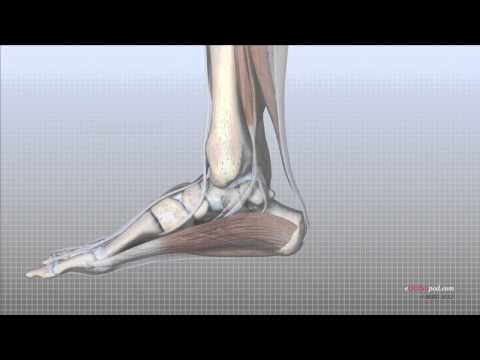
So, picture this: You’re running late for the bus, and as you sprint down the street, your foot decides to remind you of that time you tripped over your own shoelace. Ouch, right? But before you roll your eyes at your clumsiness, let’s talk about something cool: tendons!
Those little guys are pretty important. Seriously! Foot tendon anatomy is like the unsung hero of movement. Without them, we’d all be wobbling around like jelly on legs.
Every time you walk, run, or even just stand up to stretch, those tendons are working hard behind the scenes. Isn’t that wild? They connect muscles to bones and help you navigate everything from a casual stroll to a full-on sprint.
Let’s peel back the layers on these structures. Trust me, they’ve got a story to tell!
Exploring the Anatomy and Function of Left Foot Tendons in Human Movement: An In-Depth Scientific Analysis
Exploring the anatomy and function of left foot tendons is like peeling back the layers of a really cool, intricate puzzle. Our feet are these amazing structures that help us walk, run, and jump. But they don’t just do that on their own; they rely heavily on something called tendons. So let’s break it down a bit.
First off, what are tendons? Well, they’re tough, flexible fibrous tissues that connect muscles to bones. Imagine them as little bridges that transfer the force from your muscles to your bones when you move.
Now, focusing specifically on the left foot—there are several key tendons we should chat about. Here are some of the most important ones:
- Achilles tendon: This is probably the most famous tendon in your body. It connects your calf muscles to your heel bone and is essential for activities like walking and running.
- Tibialis anterior tendon: Located at the front of the ankle, this tendon helps lift your foot and toes upward. If you’ve ever tripped over your own feet? Yeah, it might’ve been because this guy wasn’t doing its job!
- Peroneal tendons: These run along the outside of your ankle and help stabilize it while you walk or run. Think of them as sidekicks working to keep you steady.
- Flexor tendons: They hang out on the underside of your foot and are responsible for curling your toes. If you’ve ever tried to pick up something with your toes—those guys are in charge!
Each one plays a unique role in how you move around. The whole system works together so smoothly when things go right. You know when you’re walking and feel like you’re gliding? That’s all these tendons working in harmony.
But here’s where it gets interesting: if one tendon doesn’t do its job well because of injury or overuse? It can lead to all sorts of problems! You might experience pain or instability in your foot or ankle. For example, Achilles tendonitis can occur if you suddenly increase physical activity without proper conditioning—which can be a real bummer!
Now let’s talk about function a bit more deeply! When you’re walking? Each step involves complex coordination between these tendons and muscles. The Achilles tendon helps propel you forward while those flexor tendons help maintain balance by curling toes into grip with each step.
Also, did I mention proprioception? It’s this cool ability our body has to sense its position in space without looking. The tendons play an integral part in that too! They send signals back to our brain about how stretched or contracted they are, helping us navigate uneven surfaces without tripping over stuff—most of the time anyway!
In terms of movement efficiency, having strong and healthy tendons means less energy wasted on every step you take. Think about it: during a long run or hike, if those tendons can do their job well? You’ll tire out less quickly!
So remember: next time you’re striding down the street or dashing for that bus late—you can thank those little fibers doing heavy lifting behind the scenes! They work hard every day to keep us moving smoothly through life without making too much fuss about it.
It’s pretty incredible how something so small can have such a big impact on our daily lives—and that’s just scratching the surface of what left foot tendons bring to our overall mobility!
Exploring Foot Anatomy: A Comprehensive Analysis of Tendons and Their Functions in Human Biology
Let’s talk about feet! Yep, those things you walk on every day. Your feet are super complex and amazing, especially when you get into the nitty-gritty of foot anatomy. Today, I want to focus on tendons—those tough little bands that connect your muscles to your bones.
First off, what are tendons? Well, they’re made of connective tissue and help transmit the force from your muscles to your bones. Think of them like rubber bands that pull on a basketball, helping it move the way you want it to.
The foot has several key tendons that are crucial for movement. Here are a few important ones:
- Achilles tendon: This bad boy connects your calf muscles to your heel bone. It’s vital for walking, running, and jumping. Seriously, without it, you’d struggle with even the simplest steps.
- Tibialis anterior tendon: Located at the front of your ankle, this tendon helps lift your foot when you walk. If it’s not working right, it can feel like dragging a heavy backpack.
- Peroneal tendons: There are two of these tendons along the outer side of your lower leg. They help stabilize the ankle and support side-to-side movements.
Now, let’s get personal for a second here. I remember when I sprained my ankle during a pickup basketball game. Ouch! The peroneal tendons were definitely feeling it afterward because they had to work overtime trying to stabilize everything while I was limping around.
Tendons not only connect muscles and bones but also play a big role in absorbing shock and providing stability as we move—important stuff if you ask me!
Something really cool about these structures is their ability to adapt over time. If you regularly exercise or put stress on them through activities like dancing or even running marathons (which sounds exhausting), they can strengthen up! Just keep in mind that overworking them can lead to injuries too.
So next time you’re jogging through the park or just standing around waiting for your coffee, think about all those tendons working hard so you can do what you do best: move! Remember that taking care of your feet is essential because sore tendons can really cramp your style—literally!
In summary: Foot anatomy is more than just bones; it includes amazing structures like tendons that help us do everything from walking down the street to sprinting after the bus. They’re crucial for our daily movement and well-being! So next time you’re slipping on shoes or kicking back after a long day, give a little nod to those underrated heroes down there—your feet might just appreciate it!
Exploring the Complexities of Foot Anatomy: A Scientific Overview of the Plantar Structure
Let’s talk about your feet for a bit. It’s kind of wild how much they do for us, huh? The anatomy of our feet is like a super complex puzzle. There are bones, tendons, muscles, and ligaments all working together to help you walk, run, and stand. But the part that totally fascinates me is the **plantar structure**.
The plantar aspect of your foot is basically the bottom part — you know, the part that touches the ground when you walk. It’s not just flat; it’s a carefully designed system that absorbs shock and supports your body weight. Here’s a breakdown of what makes this area so special.
- Plantar Fascia: This thick band of tissue runs from your heel to the front of your foot. Think of it like a trampoline for your arch! When you step down, it stretches out and helps absorb shock.
- Long Tendons: There are various tendons in this area that connect muscles to bones. For example, the Achilles tendon connects your calf muscle to your heel bone (the calcaneus). This tendon plays a crucial role in walking and running.
- Bones: Your foot has 26 bones! That’s right—26! The major ones you should know about include the metatarsals (the long bones in your foot) and phalanges (the toe bones). All these bones work together to give shape and support.
- Muscles: You’ve got both intrinsic and extrinsic muscles at play here. Intrinsic muscles start and end in the foot itself; they help with fine movements and maintaining balance. Extrinsic muscles originate in the leg but control movements in the foot.
Now let’s put this into perspective with an everyday example. Imagine you’re walking on a rocky trail—or just down your street—and you step awkwardly on an uneven surface. Your plantar fascia stretches, and those long tendons kick into gear to stabilize everything so you don’t topple over like a tree! It’s incredible how all these parts work together seamlessly.
Also worth mentioning is **arch support**—that curve along the bottom of your foot— which helps distribute weight evenly across its surface! If that arch is too high or too low (think flat feet), you might find yourself experiencing some discomfort or pain.
So next time you’re standing up or taking a step, remember what’s happening beneath you. Those tiny structures are doing some heavy lifting! It’s more than just skin and bone; it’s an amazing system designed for movement that’s been optimized over thousands of years of evolution.
So yeah, our feet may seem simple at first glance, but they’re actually intricate marvels of biology working hard every day to keep us moving smoothly through life!
You know, when you stop and think about how much we rely on our feet, it’s kind of mind-blowing. Like, without even realizing it, those tiny muscles and tendons are working hard when you take a single step. I remember once going hiking with friends, and I thought I was in shape. But after just the first mile, my feet were screaming at me! It’s like they were reminding me how crucial they are.
So let’s talk about the tendons in your feet. Basically, they’re these rope-like structures that connect muscles to bones. And in your foot, there are a bunch of them doing some serious heavy lifting (not literally). One of the most well-known ones is the Achilles tendon—super tough and connects your calf muscle to your heel bone. That tendon is like the unsung hero of walking and running.
There are also ligaments in there, which can be a bit confusing sometimes since tendons and ligaments aren’t the same thing at all! Ligaments connect bones to other bones, while tendons attach muscles to bones. The way these two work together allows us to move without giving it a second thought.
The arch of your foot is another important piece of this puzzle. It’s made up of several ligaments and tendons that help support your weight as you walk or run—almost like nature’s trampoline! When you think about how we’ve evolved to walk on two legs for so long, those arches really do a lot more than just look good in sandals!
And here’s where it gets even cooler: every step you take engages a complex system of muscles and tendons that fine-tune your balance and stability. This is why when one little tendon gets injured or strained, it can mess up your whole game plan—and trust me; I’ve learned this the hard way after twisting my ankle at an outdoor concert once!
In short, if you’ve got healthy foot tendons doing their thing, you probably don’t give them much thought—but man, when they’re not happy? You definitely feel that! So yeah, respecting our foot anatomy isn’t just smart; it’s essential for living life comfortably and actively. Next time you’re out for a walk or hike (hopefully pain-free), maybe take a moment to appreciate all that stuff going on down there beneath you!