You ever try to wiggle your head just right and feel that little crack? Yeah, that’s your cervical vertebrae doing their thing! It’s pretty wild when you think about it.
We’ve got this whole stack of bones in our neck, and they’re not just there for show. They’re like a super flexible team making sure we can look around without turning into a stiff robot.
But what’s really going on with these vertebrae? Seriously, let’s break it down together! You might be surprised at how much they actually do for us every single day.
The Role of Vertebrae in Human Body Movement: Insights from Biomechanics
Alright, let’s chat about vertebrae and their role in keeping us moving. You know how you can twist, turn, and bend? A lot of that magic comes from these little bones called vertebrae. They’re like the building blocks of your spine, which is a pretty important part of your body.
The spine is divided into different regions—cervical, thoracic, lumbar, sacral, and coccygeal. Each region has its own job, but let’s zoom in on the **cervical vertebrae** for a moment. There are seven of them (C1 to C7) located in your neck area. They’re super unique compared to other vertebrae because they need to support the weight of your head while allowing a lot of movement.
Cervical Vertebrae Structure
The cervical vertebrae have a couple of interesting features:
So basically, these special shapes are what help you move your head around without being stiff as a board.
Moving down from the cervical region, we’ve got other types of vertebrae—thoracic and lumbar—that also play significant roles in movement but in different ways. The thoracic vertebrae connect with ribs and give some structure to our upper body while allowing some twisting motions when we dance or stretch. The lumbar region supports even more weight since it’s lower down and connects to your pelvis.
The Function in Movement
But what’s really cool is how all these bones work together with muscles and ligaments you’ve got around there. When you want to move, those muscles pull on the bones at joints between each vertebra. It’s like a great performance—with everyone playing their part perfectly! If one piece isn’t working right due to an injury or wear-and-tear over time (like herniated discs), it can throw off that whole beautiful coordination.
And let’s not forget about biomechanics. This field looks at how forces affect living organisms—it’s basically physics blended with biology! Biomechanics helps us understand things like balance when running or cycling. When we’re moving quickly or bending low, our body’s mechanics keep us stable and help prevent injuries.
I still remember when I tried doing yoga for the first time—my instructor kept reminding me about aligning my spine properly during each pose. It helped me realize just how much I take those little movements for granted until something feels “off.”
In short, vertebrae are crucial for movement! They give structure but also flexibility for everything from simple nods to complex athletic moves as well as protect important nerves that send signals throughout your body.
You feel me? Understanding this stuff gives us more respect for our bodies—and hey—makes that next yoga class a bit more interesting!
Understanding the Significance of C3, C4, and C5 Vertebrae in Human Anatomy and Neuroscience
When we talk about the C3, C4, and C5 vertebrae, we’re diving into a pretty crucial part of your neck. These three cervical vertebrae are fascinating little bones that not only support your head but also play a big role in your overall movement and health. Seriously! If something goes wrong with these guys, it can cause quite a bit of trouble.
Let’s break it down a bit. The **cervical vertebrae** are the first seven vertebrae in your spine. They’re labeled C1 through C7, and each one has its unique job. The C3 to C5 vertebrae are located in the middle section, sitting right under the skull. Here’s what makes them special:
- Support for Head Movement: These vertebrae allow you to nod your head up and down as well as tilt it side to side. Think about how easy it is to look over your shoulder. That’s all thanks to these bones!
- Nerve Protection: They surround the spinal cord, which is like a super highway for signals between your brain and body. This means they help protect vital nerves that control many functions.
- Muscle Attachment Points: Muscles that control head movement attach here too. If you’ve ever felt neck stiffness or soreness, it might be due to those muscles working hard around these bones.
- Breathing Aid: Yeah, weirdly enough! The nerves that emerge from C3-C5 contribute significantly to **diaphragmatic breathing**—the deep breaths you take while relaxing or working out.
So, when you move your head or breathe deeply, remember those little bony heroes working behind the scenes!
You know what’s interesting? There was this time when I pulled my neck muscle really badly after sleeping awkwardly—one of those nights where you wake up feeling like a pretzel! I couldn’t turn my head without pain for days. It was such a reminder of just how much we rely on our cervical spine for everything we do.
If there’s an injury or issue with C3-C5, it can affect not just neck movement but also other parts of the body connected through those nerve pathways. For example:
- If there’s damage at C4, it might affect shoulder function or lead to numbness in arms.
- C5 issues can disrupt bicep function leading to difficulty lifting things.
- C3 injuries could impact breathing if severe enough since they affect the phrenic nerve responsible for diaphragm control.
The connections among these bones highlight just how intertwined structure and function are in our bodies—it’s all about teamwork! You don’t usually think about this stuff until something happens—but knowing more about C3, C4, and C5 can help you appreciate how incredible human anatomy really is.
So next time you’re shaking your head at something absurd or doing some stretches during a break at work, give a little nod of gratitude to those cervical vertebrae! What they do may seem small compared to other parts of our body but trust me—they’re so essential!
Comprehensive Guide to Cervical Vertebrae Anatomy: Structure and Function in Movement (PDF Download)
Alright, so let’s talk about your cervical vertebrae. They’re the fancy bones in your neck that play a big role in how you move your head and support it. Seriously, every time you look left or right, nod your head, or even just hold it up, those little guys are working hard.
The cervical spine is made up of seven vertebrae, numbered C1 through C7. Each one has its own unique structure and job to do. For example:
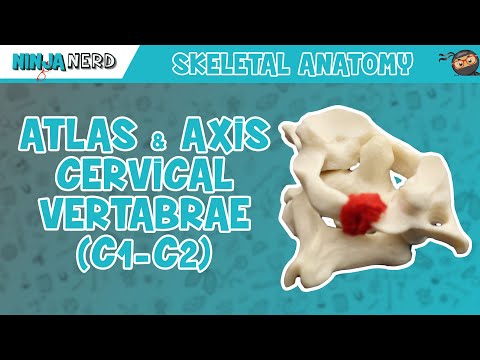
- C1 (Atlas): This one is like a ring that supports your skull. It allows you to nod your head, like when you say “yes.”
- C2 (Axis): Now, this guy has a little peg called the odontoid process or dens that sticks up and lets you shake your head to say “no.”
- C3 to C7: These vertebrae have more standard shapes but play an equally important role in flexibility and support.
The cool thing about these bones is how they connect with each other through joints called facets. And what’s amazing is that despite being small compared to other bones in our body, they have this incredible ability to allow a wide range of motion while still being sturdy enough to keep our heads safe.
And let’s not forget about the spinal cord! This bundle of nerves runs through the holes in these vertebrae. It’s kind of like the highway for messages between your brain and body. If there’s any damage here—whoa—things can get really complicated, affecting movement and sensation.
Now, one more thing: ligaments and muscles around the cervical spine give extra support. They help stabilize everything while also letting us twist and turn smoothly. You know how sometimes when you’re straining your neck from staring at screens for too long? Yeah, that’s because those muscles are working overtime!
To wrap it all up—as much as we take them for granted—our cervical vertebrae are essential for movement and protection. If we didn’t have them doing their job right, we’d probably be stuck looking straight ahead all day long! And trust me, that wouldn’t be fun at all.
You know that feeling when you stretch your neck after being at your desk for a while? Ah, sweet relief! That little wiggle you do may seem simple, but there’s a lot going on underneath the surface, like a hidden world of bones and muscles working together. So let’s chat about cervical vertebrae — yeah, those seven little bones at the top of your spine that make your head bob up and down and side to side.
First off, these cervical vertebrae are numbered C1 to C7. They’re like the VIP section of your spine because they protect your spinal cord while supporting your skull. The first one, called the atlas (cool name, right?), is the one that sits directly under your skull and lets you nod like a little bobblehead. Then there’s C2, known as the axis, which lets you pivot or turn your head from side to side—like when you’re checking out what’s happening behind you at a party (or in traffic).
What’s really neat about these bones is how they fit together. They’ve got this amazing structure with joints that allow for all sorts of movement—flexion (that’s when you bend forward), extension (when you lean back), and rotation. Each vertebra has this unique shape and size; for instance, C7 is larger than C1 because it needs to support more weight.
But here’s where it gets super interesting: all these movements need help from muscles and ligaments too! You’ve got muscles that act like tiny ropes pulling on these vertebrae to glide them into different positions. Ever feel stiff after an intense workout? That stiffness often comes from those hardworking ligaments trying to keep everything stable but also flexible.
I remember once spraining my neck while trying to impress friends with an awkward yoga pose I totally wasn’t ready for. Ouch! The pain was a reminder of just how important those cervical vertebrae are for keeping us safe during everyday movements. Even something as mundane as looking over our shoulders relies heavily on this intricate anatomy.
So yeah, next time you’re stretching or turning to see what’s going on behind you, take a moment to appreciate those cervical vertebrae doing their thing—keeping our heads up high and ready for action!