Did you know that your feet are basically like tiny sculptures, holding you up and carrying you around all day? It’s wild! I mean, think about it. Most of us don’t give our feet much thought, right?
But honestly, they do an incredible juggling act. You’ve got bones, muscles, tendons… like a whole team working together just to help you stand up straight and walk. Crazy!
And let’s not even start on how many miles those little guys put in over a lifetime! Seriously, it’s thousands! So, if you’ve ever had a sore foot after a long day or wondered why your toes cramp up during yoga, stick around. We’re diving into the intricate world of foot anatomy — and this is going to be way more interesting than it sounds!
Exploring the Structure and Function of the Human Foot: A Scientific Overview
The human foot is pretty amazing, you know? It’s like a little marvel of engineering that allows us to walk, run, jump, and dance. Seriously! Let’s break down the structure and function of this fascinating appendage.
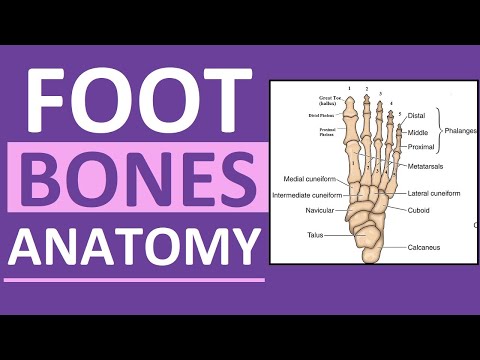
First up, the basic structure. The foot has **26 bones** divided into three main sections:
- Tarsals: These are the seven bones that make up the back part of your foot. They help with balance and support.
- Metatarsals: You’ve got five of these. They connect your toes to your midfoot and are super important for walking.
- Phalanges: Those are your toe bones. Each toe has three (except for the big toe, which has two). They help with grip and balance.
Now, let’s talk about how these bones work together. The foot is not just a flat platform; it has an **arch** that makes it flexible and strong at the same time. This arch absorbs shock when you walk or run, which is exactly why we can jump around without feeling like our feet are gonna break!
But wait—there’s more! Our feet also have a ton of **muscles and tendons** that control movement. Think about how you can wiggle your toes or point them in different directions. That’s all thanks to these muscles!
Additionally, our feet have **ligaments**, which are like strong ropes connecting bones together. They keep everything stable while allowing enough flexibility to move around smoothly.
Another cool aspect is how our feet interact with the ground. Our skin has loads of nerve endings, so we can feel things like temperature and texture—this helps us adjust our movements based on what we’re stepping on, whether it’s sand, grass, or a super smooth floor.
Did you know that every time you take a step? You apply pressure that can be around 2-3 times your body weight? The **plantar fascia**, a thick band of tissue on the bottom of your foot, supports this process by acting like a spring! It stretches when you put weight on it and then helps push you off when you step forward.
And let’s not forget about balance! Your foot works together with other parts like your legs and core to keep you steady. Ever tried standing on one leg? That takes some serious teamwork from all those muscles!
So yeah, next time you’re just chilling after a long day on your feet or excitedly running towards something fun, remember all the amazing stuff going on down there! The human foot isn’t just an appendage; it’s a finely-tuned machine built for movement in so many different ways. Pretty neat when you think about it!
Understanding Foot Structure: A Scientific Exploration of Foot Anatomy and Types
The foot is a pretty incredible structure, isn’t it? It might seem like just something to keep your shoes from getting dirty, but there’s way more going on. Seriously, let’s break down the anatomy of your feet and see what makes them tick.
First off, the foot is made up of **26 bones**! Yeah, you heard that right. That’s nearly a quarter of all the bones in your body. These bones can be grouped into three main sections:
- Tarsals: These are the seven bones at the back part of your foot. They help make up the ankle and contribute to its flexibility.
- Metatarsals: There are five long bones in the middle of your foot. They connect your toes to the tarsals and help distribute weight when you walk or run.
- Phalanges: These are the bones in your toes—14 in total! Each toe has three phalanges (except for big toe which has two), allowing for a good range of motion.
Now here’s where it gets interesting, because each part plays a unique role in how we move. The tarsals make sure those fancy movements can happen smoothly, while the metatarsals support our weight. And let’s not forget about those phalanges—they’re basically our balancing buddies!
But hold on, it’s not just about bones. Our feet also contain **muscles**, **ligaments**, and **tendons** that work together like a well-oiled machine.
- Muscles: These help control movements like curling your toes or flexing your arch.
- Ligaments: Think of them as strong ropes holding things together. They stabilize joints and keep everything aligned.
- Tendons: They connect muscles to bones and allow movements to occur when you step or run.
What surprises me is how versatile our feet can be! Depending on their shape and structure, some people have “flat feet,” while others have “high arches.” These types influence not only how we walk but also how we should choose footwear.
For example:
– If you’ve got flat feet, you might be more prone to certain injuries because there’s less natural support.
– On the flip side, if you have high arches, you might struggle with shock absorption when running.
So next time you’re out shopping for shoes, think about how varied our foot types can be!
Also worth mentioning is how much pressure our feet endure daily. Over a lifetime, each foot can take roughly 75 tons of stress! Imagine carrying around that much weight without complaining; it’s seriously impressive.
In essence, understanding your foot anatomy isn’t just academic; it’s practical! By knowing what works (or doesn’t) for your specific foot type—like needing certain insoles—you can make smarter choices about pain prevention and overall comfort.
So yeah, next time you feel that twinge in your arch after a long day standing or running around—take a moment to appreciate all that hard work going on down there at ground level! Our feet deserve some love too!
Understanding the Fundamental Functions of the Feet in Human Anatomy and Biomechanics
The human foot is like a mini engineering marvel. Seriously! It’s made up of so many bones, joints, muscles, and tendons that work together to help us walk, run, jump, and even dance. Let’s break it down a bit and look at the fundamental functions of our feet.
First off, there’s the **structure**. Did you know your feet have 26 bones? Yeah! That’s more than a quarter of all the bones in your body. They can be divided into three main parts:
- Forefoot: This includes the five toes (or phalanges) and five long bones called metatarsals.
- Midfoot: This part consists of a group of bones that form the arches. These arches are crucial for supporting weight.
- Hindfoot: Made up of the heel bone (calcaneus) and the ankle bone (talus), this part helps us balance and absorb shock when we step down.
Now let’s talk about **biomechanics**—the way your foot moves! Each time you take a step, several things happen. Your heel strikes the ground first; it’s designed to absorb shock with its spongy structure. Then, as you roll onto your foot, those arches flex slightly to give you that springy feeling when you push off with your toes.
One function that you might not think about is **balance**. Your feet have tons of tiny receptors that send information to your brain about where you are in space. Ever tried standing on one leg? Your feet are sending signals about how stable you are!
Also important is supporting our body weight. When you’re walking or standing still, forces from above are evenly distributed across multiple points in your feet. This helps prevent injuries because it reduces stress on any one area.
Speaking of injuries—your foot’s biomechanics can lead to common issues like flat feet or high arches if they’re not functioning properly. Flat-footed folks often struggle with balance since their arches don’t help as much in distributing weight effectively.
Then there’s **movement efficiency**; I mean, think about it! When we walk or run, it may seem simple but there’s so much going on underfoot! The muscles and tendons work together to create smooth motions that save energy over long distances.
In summary:
- The foot has an intricate structure made up of 26 bones.
- It plays vital roles in shock absorption and stability.
- Your brain relies on feedback from your feet for balance.
- The biomechanics affect how efficiently you move.
So next time you’re chilling at home or taking a stroll outside, just remember: those little heroes at the end of your legs do a lot more than you might realize!
So, let’s talk about feet for a second. They’re kind of amazing, right? I mean, we don’t really give them much thought until something goes wrong. Ever twisted your ankle? Ouch! Suddenly, you’re acutely aware of how much you rely on those little guys. But if you dive a bit deeper into their structure and function, it’s like peeling an onion—lots of layers and some tears along the way!
Your foot has 26 bones—yep, 26! That’s over a quarter of the bones in your whole body hanging out down there. They’re arranged in a way that supports all that walking, running, jumping—you name it. It’s almost like they were designed for some Olympic event or something. There are three sections: the forefoot (those are the toes), the midfoot (the arch), and the hindfoot (the heel). Together, they create this intricate puzzle that allows for all those amazing movements.
And don’t get me started on the soft tissue! Ligaments and tendons and muscles—all these things working together like a well-oiled machine. The Achilles tendon is one of my favorites; it connects your calf muscle to your heel bone. You know that feeling when you take a big step after sitting for a while? That initial stretch makes you feel alive! Well, that’s your Achilles telling you it’s ready to go.
Then there’s the arch! It acts like a spring when you walk or run; it absorbs shock and supports your weight. Have you ever walked barefoot on cold grass? That rush is partly because of how your arches are flexing as you step.
But here’s something that hit home for me: I once met an older lady at the park who’d been through several foot surgeries. She told me she missed just being able to walk freely without pain. It made me realize how much we take our feet for granted until they start acting up.
So next time you’re kicking back or feeling sore after some exercise, think about all those tiny bones and complex systems working behind the scenes just to keep you going—pushing off pavement or dancing at a party. Feet really do hold us up in more ways than one!