You know that feeling when you go to lift something heavy, and your back just says, “Nah, not today”? Yeah, I’ve been there—like the time I tried to impress my friends by lifting the couch to vacuum under it. Spoiler alert: my back wasn’t having it.
So, what’s the deal with our back muscles anyway? They’re like those unsung heroes working tirelessly behind the scenes while we strut around like we own the place. Seriously, these muscles aren’t just there for show; they play a huge role in almost everything we do.
From bending down to tie your shoes to reaching for that snack on the top shelf (you know you want it), understanding how these muscles work can give you some serious insight into movement—yours and others’. Get ready to dive into how these muscle structures support us daily and why they deserve a little love!
Understanding Lower Back Muscle Anatomy: Functions and Structures in Human Movement
Sure! Let’s break down the anatomy of lower back muscles and how they help us move around, shall we?
The lower back, also known as the lumbar region, is super important. It supports pretty much everything we do, from standing to bending and even lifting heavy stuff. The lower back is made up of several muscles that work together to keep our body stable and moving smoothly.
Lower Back Muscle Anatomy
So, when we talk about the muscles in this area, we can’t forget about a few key players:
- Erector Spinae: This is a group of muscles that run along your spine and help you stand up straight. They also let you bend backward and sideways. Think about it—you’re sitting down at a desk for hours; if it weren’t for these guys, your back would be a mess!
- Multifidus: These are small but mighty muscles located deep in the back. They stabilize your spine during movement. Imagine trying to balance on one leg—multifidus is what keeps you steady!
- Quadratus Lumborum: This muscle is on each side of your lumbar spine and plays a big role in stabilizing your pelvis. Ever notice how it feels when you lean to one side? Quadratus lumborum helps control that movement.
Functions of Lower Back Muscles
Alright, so now that we know who’s who in the muscle world, let’s see what they actually do.
These muscles have some pretty essential functions:
- Stability: They stabilize your spine during movement and activities like walking or running.
- Posture: Supporting good posture is another big job—they help keep you upright when sitting or standing.
- Movement: Bending, lifting, twisting—you name it! These muscles are crucial for almost every movement you make.
And speaking of movement—ever tried bending over to pick something up? Just think about how your lower back has to engage all those muscles just to do something as simple as grabbing the TV remote from under the couch. Seriously! It seems easy but involves a lot of coordination.
The Big Picture
In summary, the lower back isn’t just a random collection of muscles; it’s an intricate system helping you with daily activities. The relationship between these structures makes movement fluid and stable—without them working together harmoniously, you’d be stumbling around like a newborn giraffe!
Taking care of these muscles matters too—stretching or strengthening them can help prevent pains or injuries down the road. If you’ve ever felt that nagging pain after sitting too long or lifting something awkwardly, now you know why!
So next time you’re stretching after work or lacing up those sneakers for a jog, give a little nod (or stretch) to your hard-working lower back muscles—they’ve got your back!
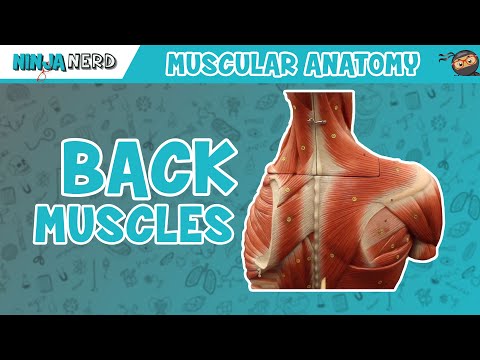
Comprehensive Guide to Back Muscles Anatomy: Insights into Human Musculoskeletal Structure
Sure, let’s chat about the amazing world of back muscles! Your back is like this intricate tapestry of muscles doing all sorts of hard work for you. Seriously, they’re super important for movement, posture, and pretty much holding you upright.
First off, your back muscles can be broadly divided into a few categories. Here’s a snapshot:
- Superficial muscles: These are the ones you can see and feel right under your skin. They’re mainly responsible for movements like lifting your arms or rotating your torso.
- Intermediate muscles: Think of these as the next layer in. They help with breathing and provide some support to the spine.
- Deep muscles: These are closer to your spine and do a ton of heavy lifting when it comes to stability.
Now, here’s where it gets interesting! The major players in your back muscle ensemble include:
- Latissimus Dorsi: This is the big muscle that covers most of your lower back. It helps you pull things towards you, like when you’re doing pull-ups or reaching for something on a high shelf.
- Trapezius: Shaped kinda like a triangle on your upper back, this muscle allows you to shrug your shoulders and turn your head. Ever notice how much tension we hold there? Yeah, stress loves to hang out in the traps!
- Erector Spinae: A group of muscles running along either side of your spine. Their main job? Keeping you upright! They also help with bending and twisting movements.
Here’s something emotional: I remember when my friend threw his back out trying to impress everyone at the gym. He didn’t warm up those deep stabilizing muscles properly! That taught me how crucial it is to respect these hardworking guys.
So let’s break down what some key muscle functions look like:
- The lats help with pulling motions—like rowing or lifting items.
- The traps assist in stabilizing shoulder blades during arm movements—ever notice how essential they are when lifting weights?
- The erector spinae not only maintain our posture but also play a vital role when we bend forward or backward.
Now onto injury prevention! Keeping these muscles strong and flexible is super important—not just for avoiding pain but also for overall athletic performance.
Plus, exercises like deadlifts or rows really get those deeper layers working as well—just make sure you’re using good form; nobody wants an injury story like my friend’s!
In short, understanding back muscle anatomy isn’t just for doctors or trainers; it’s good knowledge for anyone who uses their body every day—like all of us! So next time you stretch or lift something heavy, take a moment to appreciate those incredible structures holding everything together. Who knew anatomy could be so crucial and yet so cool at the same time?
Exploring the Anatomy of Female Back Muscles: A Comprehensive Guide for Scientific Understanding
Okay, let’s chat about the anatomy of female back muscles. You might be asking, why bother understanding this stuff? Well, knowing how these muscles work can really help with movement, posture, and even avoiding injuries. Seriously! So, buckle up.
The human back is home to a bunch of muscles that work together to support your spine and help you move. Let’s break it down a bit.
- Latissimus Dorsi: This is the biggie! It stretches from your lower back all the way up to your armpits. Imagine it as wings under your skin. It helps with movements like pulling and lifting.
- Trapezius: Shaped kind of like a kite, this muscle runs across the upper back and neck. It does a lot—like helping you shrug your shoulders or lift your arms up high.
- Rhomboids: These guys sit between your shoulder blades. They’re crucial for pinching those shoulder blades together, which is key for good posture.
- Erector Spinae: A group of muscles that run alongside the spine—think of them as pillars holding everything up. They help you stand tall and keep your back straight.
You see how each muscle has its own role? Together they create a system that keeps us moving smoothly! Now let’s talk about what these muscles do in everyday life.
- When you bend down to pick something up or even just reach for something on a high shelf, those latissimus dorsi and trapezius are on the job!
- If you’ve ever had to sit at a desk all day (yup, me too), it’s important to engage those rhomboids to keep your shoulders from slumping forward.
This anatomical knowledge isn’t just for fitness buffs or athletes; it’s helpful for anyone looking to stay active without pain. I remember when I started working out more seriously—I had no clue about my back muscles until I pulled something trying to lift too heavy without proper form. Ouch! Understanding how these muscles function has helped me avoid that kind of stuff since then!
Posture plays such an important role in how our backs feel overall. If you’re slouching all day, those poor rhomboids have to work overtime just holding everything together!
You might also want to consider that female bodies can have different muscle distribution compared to males due to hormonal differences and other factors. So their strength and endurance can vary in unique ways depending on individual circumstances like training history or lifestyle.
The bottom line is that keeping an eye on these back muscles is key for maintaining balance in life—be it through exercise, stretching, or simply being aware of how you’re standing or sitting throughout your day. So each time you think about moving around or working out, remember all those powerful little players at work in your back!
So, let’s talk about back muscle anatomy for a bit. I mean, it’s kind of fascinating when you think about how these muscles are not just there for show, but they actually play a huge role in how we move around every day.
First off, you’ve got those big guys—the latissimus dorsi. They’re like the wings of your back, stretching all the way from your lower spine up to your armpits. When you pull something down or do a pull-up, these babies are working hard! I remember trying to impress my friends by doing pull-ups at the park. It was so tough! But with every struggle, I could feel those muscles getting stronger. There’s something empowering about feeling your body work.
Then there are the rhomboids and trapezius muscles. The rhomboids sit between your shoulder blades and help pull them together. You know that feeling when you take a break from sitting at your desk and stretch your shoulders? Yeah, that’s them doing their thing! And don’t forget about the trapezius—it’s like this giant triangle on your upper back that helps with everything from shrugging to tilting your head back. Just think about how many times we look up to watch a bird fly overhead or glance at the sky during a nice day… those muscles are always at work!
And oh man, we’ve got the erector spinae too. They’re these long muscles running alongside your spine that help keep you upright and support bending and twisting movements. One time, I tried lifting something really heavy without thinking it through—let me tell you, my entire back felt it! That’s when I realized how crucial those supportive muscles really are in protecting our spine.
You see, every time we bend down to pick something off the floor or reach out for that cookie jar (we’ve all been there!), our back muscles are firing up behind the scenes—coordinating so we don’t end up face-first in the cookie crumbs! They help maintain posture and stability too—so crucial for everyday life.
Basically, without all these intricate muscle groups working together with precision, doing simple tasks would be way more complicated—or just impossible! Our backs deserve some serious love because they’re silently holding us together while we tackle life’s ups and downs… literally!
So next time you’re stretching or even just standing tall after sitting for too long, take a moment to appreciate what those back muscles do for you. They’re more than just anatomy; they’re part of what makes us human movers!