Alright, so picture this: you’re at a party, right? Everyone’s chatting, laughing, and then someone suddenly makes a wild attempt at a dance move. You know the one—arms flailing like a windmill! One slip and BAM! They’ve cranked their neck worse than a bad chiropractor’s promo ad.
That neck of yours? It’s not just for show. Seriously! The cervical spine is crucial for more than just keeping your head on straight. It’s like the ultimate MVP when it comes to human movement.
So many of us take it for granted until something feels off. You know what I mean? Let’s get into how this amazing structure works and why it matters so much in our everyday lives. Buckle up; it’s gonna be a ride!
Cervical Spine Anatomy: Understanding Its Role in Human Movement and Brain Function
The cervical spine, which is basically your neck region, plays a major role in keeping you upright and allowing your head to move around. It consists of seven vertebrae, labeled C1 through C7. Each of these vertebrae has a unique shape and function, making this part of your body super interesting!
Think about it—your cervical spine isn’t just a stack of bones; it supports your skull and protects the spinal cord that runs down through it. When you tilt or turn your head, you’re using those vertebrae like a well-oiled machine.
Now, let’s break it down a bit more. Each vertebra has structures called facet joints. These joints allow for smooth movement between the vertebrae. You can imagine them like tiny hinges that help your neck twist and bend in various directions. Without these joints, simple actions like looking over your shoulder would be nearly impossible!
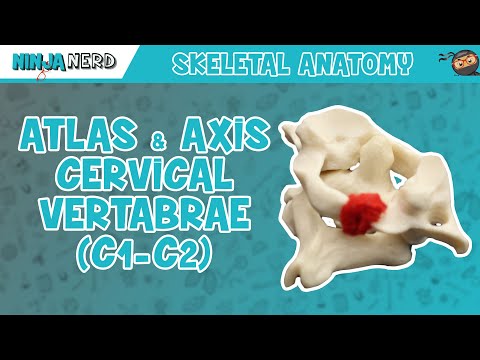
And here’s something cool: the first two cervical vertebrae have special names! C1 is called the atlas, named after the Greek titan who carried the world on his shoulders. It supports the skull and allows for nodding movements, like when you say “yes.” Then there’s C2, known as the axis. It has a small projection called the odontoid process (or dens), which fits snugly into C1, allowing for rotation—like when you shake your head to say “no.”
Movement wouldn’t be possible without muscles and ligaments. The muscles around the cervical spine support stability while also enabling movement. Think of them as little helpers; they keep everything in place but also let you move freely.
Also notable is how this area connects with brain function—it’s all about signals! Nerves branch out from the spinal cord in this region to travel up to your brain and send messages throughout your body. So when you touch something hot or cold, signals rush up through these nerves to warn you faster than you can blink!
If you’ve ever felt tension or pain in your neck after working long hours at a computer or staring at your phone too much (guilty!), that’s often due to strain on those muscles or nerves surrounding the cervical spine.
In short, understanding how this part of our body works helps us appreciate not just our ability to move but also its role in protecting our vital nervous system functions—pretty neat stuff!
Comprehensive Overview of Cervical Spine Disorders: Types, Symptoms, and Treatments
Cervical spine disorders can feel like a real pain in the neck, literally. The cervical spine, which is the part of your backbone that runs from your skull down to your upper back, plays a huge role in how you move and function every day. It consists of seven vertebrae (from C1 to C7) that support your head and protect the spinal cord. But sometimes things can go sideways with this crucial area.
Types of Cervical Spine Disorders
There are several types of disorders that can affect the cervical spine. Here’s a rundown:
- Cervical Spondylosis: This is basically age-related wear and tear on the cervical spine. Think of it like a rusty old bike; over time, the bones and discs become less flexible and may lead to nerve compression.
- Herniated Discs: Imagine a jelly-filled doughnut. If there’s too much pressure, the jelly (or disc material) can ooze out, pressing on nearby nerves. Ouch!
- Cervical Radiculopathy: This occurs when nerves in the neck get pinched or irritated. You might feel tingling in your arms or hands—I’ve had friends describe it as feeling like they’re holding ice cubes.
- Cervical Stenosis: This is where the spinal canal narrows and puts pressure on the spinal cord or nerves. It’s kind of like trying to fit too many people into a small car—someone’s going to get squished!
- Torticollis: Also known as “wry neck,” it’s when your head twists to one side due to muscle spasms. It’s uncomfortable, for sure.
Symptoms
So how do you know if something’s not right? Symptoms can vary depending on what exactly is going on with your cervical spine.
- Pain: This could be localized in the neck or radiate down into your shoulders and arms.
- Numbness or Tingling: You might experience this in your arms or fingers—definitely not a pleasant feeling!
- Weakness: Some folks report weakness in their grip or trouble lifting things over time.
- Restricted Movement: Turning your head may feel limited; it’s like trying to look back while driving with a really stiff seatbelt.
- Headaches: Tension headaches often stem from neck issues. They’re no fun at all!
Treatments
When it comes to tackling these problems, there’s no one-size-fits-all approach. Treatments can range from conservative methods to more aggressive options.
- A therapist can help improve movement, strengthen muscles around the neck, and relieve pain through exercises and stretches.
- Pain Management:
Over-the-counter medications—like ibuprofen—are often effective for mild pain relief. Sometimes doctors prescribe stronger meds if needed. - Corticosteroid Injections:
These help reduce inflammation around irritated nerves. - Surgery:
In extreme cases, procedures may be necessary to alleviate pressure on nerves or repair damaged discs.
I remember hearing about someone who went through physical therapy for cervical spondylosis; at first, it was super frustrating for them as they struggled with simple movements. But after weeks of therapy combined with some gentle exercises they were given at home? Total transformation! They could finally look over their shoulder while driving without wincing.
So yeah, if you’re experiencing symptoms related to any of these disorders—or even just some nagging discomfort—it’s seriously worth getting checked out by a healthcare professional! Your neck plays such an essential role in daily life; keeping it healthy is key!
Understanding C3, C4, C5-C6-C7 Vertebrae: Anatomy, Function, and Clinical Significance in Spine Health
Alright, let’s chat about the cervical spine and those specific vertebrae: C3, C4, C5, C6, and C7. You might be thinking, “What’s so special about these bony guys?” Well, they play a pretty crucial role in how we move our heads and necks! So let’s break it down nice and easy.
The cervical spine, which consists of seven vertebrae (C1 to C7), is located at the top of your spine. The first two are a bit different—those are called the atlas (C1) and axis (C2)—but C3 to C7 are like the backbone of neck functions. Each of these vertebrae has unique shapes that help with movement and stability.
C3 connects to your skull and allows for some crucial mobility. It supports the spinal cord while giving us the ability to nod our heads. Imagine trying to say yes or no without that flexibility—tough gig!
Moving on to C4, this vertebra helps with neck rotation as well. It also plays a role in supporting nerves that control shoulder movements—pretty nifty! If you’ve ever raised your shoulders in surprise or excitement, you can thank this little guy.
C5 is where things really get interesting. This one helps control muscles that allow you to lift your arms. If you ever find yourself waving or reaching for something on a high shelf, remember you owe it to your trusty C5!
C6, then, continues this trend by being essential for bending your elbow and wrist movements. It sends signals down through nerves that help you grip stuff! Drop something? Oops! You can blame it on how those signals travel from here.
Finally, we have C7. This one is often referred to as the vertebra prominens because it sticks out more than others at the base of the neck—kind of like a little landmark! It’s got strong ligaments attached which help support not just the head but also provide stability for other spinal segments.
- Anatomy: These vertebrae each have distinct shapes that allow for different types of movement while providing essential support to surrounding structures.
- Function: Together they assist with head rotation, arm raising, and even bending at the elbow!
- Clinical significance: Injuries or issues with any of these vertebrae can lead to pain or limited movement—seriously annoying stuff!
The cool thing is how all these individual pieces work together seamlessly. Your cervical spine helps maintain an upright posture while allowing freedom of motion—it’s like having a built-in balancing act! But when things go wrong—like when there’s whiplash from an accident—it can mess with everything up there.
The bottom line is that understanding these specific vertebrae isn’t just geeky anatomy talk; it’s vital for anyone interested in spine health or human movement. Taking care of this area through good posture and exercise can make a world of difference!
So, let’s chat about the cervical spine, which is way more than just some bones in your neck. I mean, we often take our necks for granted, right? But they do so much more than hold up our heads while we scroll through our phones. It’s pretty wild when you think about it.
The cervical spine consists of seven vertebrae—C1 through C7—each playing a crucial role in not just supporting your noggin but also giving you the freedom to move your head around. Like, remember that feeling when you get up after binge-watching a show and your neck feels stiff? Yeah, that’s probably because those vertebrae are a bit miffed at being static for too long!
These vertebrae provide the foundation for all sorts of movements. You can look down at your phone or tilt your head back to see the stars. And it’s not just about turning left or right; it’s also about maintaining balance as you go about life’s adventures. Ever tried dancing with a stiff neck? Not exactly fun!
What’s even cooler is how the cervical spine connects with other parts of your body. It’s like this intricate web that links your brain and spinal cord to the rest of you. A little injury here can affect everything—from how you walk to how well you can run after your dog when he escapes through an open gate!
I remember one summer, I was playing beach volleyball, which turned out to be both thrilling and somewhat dangerous for my neck. I went for a crazy dive to keep the ball in play, and I twisted my head awkwardly during the fall. Ouch! It was a stark reminder of how fragile yet vital this part of our body is.
The cervical spine isn’t just bones; it houses nerves that control muscles in different parts of your body too! So when you’re shaking hands or reaching for something behind you, it’s all thanks to this unsung hero in our anatomy.
So yeah, taking care of our necks is super important since they’re key players in movement and overall well-being. Whether it’s stretching regularly or being mindful when you’re texting away on your phone (we’ve all been there), looking after our cervical spine really goes a long way in keeping us moving smoothly through life!