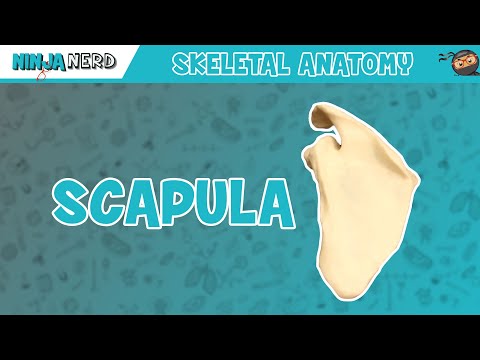
You know that feeling when you go to wave at someone, and your shoulder just kinda… doesn’t cooperate? Yeah, been there! Turns out, your scapula—yep, that wing-shaped bone on your back—is pretty crucial for so many movements.
It’s like the unsung hero of our shoulder joint, helping us throw a ball or lift our arms without looking like a total klutz. Seriously, without this little guy doing its thing, we’d probably just be flopping around.
So let’s chat about the scapula! It’s not just a bone; it plays a big role in how we move and function every day. You’re gonna want to stick around for this—it might change the way you think about your movements!
Understanding the Anatomy of the Scapula: Implications for Human Movement and Function in Scientific Research (PDF)
The scapula, or shoulder blade, is a pretty fascinating bone when you really get into it. It’s that flat, triangular bone you can feel on your back shoulder. Ever notice how it kind of moves around when you lift your arms? That’s because it plays a huge role in human movement and function.
First off, the scapula connects the arm to the body and works with other bones like the humerus (that’s your upper arm bone) and the clavicle (or collarbone). This connection helps in a bunch of ways:
- Stability: The scapula provides stability for shoulder movements. Think about how you throw a ball—your shoulder needs to be secure to make that happen.
- Mobility: It allows for a wide range of motion. Seriously, try raising your arms up over your head or reaching behind your back!
- Muscle Attachment: Many muscles attach to it, such as the rotator cuff muscles. These guys help stabilize and move the shoulder joint.
So, why does this matter? Well, understanding the anatomy of the scapula can really inform us about movement patterns—especially in sports or rehabilitation settings. For example, if someone tears their rotator cuff from playing baseball too much, knowing exactly how the scapula works can help physical therapists design better rehab programs.
And here’s something to think about: posture matters! Your scapula helps support good posture during various activities. When we slouch or sit at our desks for too long, it can throw everything off balance. This might even lead to discomfort or injuries over time.
I remember watching my friend struggle with shoulder pain after training hard for a marathon. We didn’t realize that his form was slightly off due to tightness around his scapula area. Once he got some targeted exercises to loosen up those muscles and strengthen supporting ones, he felt so much better!
Another interesting point is that movement respects what we call “scapulohumeral rhythm.” This is basically how your shoulder blade moves in sync with your arm during things like lifting or throwing. If there’s a hiccup in that rhythm due to an injury or weakness, then it might impact overall function.
On top of all that, research continues to unfold insights about how different people move based on their various anatomical structures—or variations—in their scapulae! For instance:
- Type variations: Some people have longer or wider scapulas which could alter their range of motion.
- Aging effects: Age-related changes can affect how well our shoulders function over time.
In short, understanding the anatomy of the scapula not only enhances our knowledge of human movement but also has real-life implications for improving performance and minimizing injuries. The more we learn about this unique bone and its role in our movement patterns, the better we can adapt our training—and help others do so too!
Understanding the Anatomy of the Scapula: Implications for Human Movement and Function in Scientific Study
The scapula, or shoulder blade, plays a key role in how we move our arms and shoulders. It’s this flat, triangular bone that connects our upper limb to the trunk. Made of three main parts—the body, the glenoid cavity, and the acromion—it’s pretty fascinating when you think about it.
Structure
You know those fun shapes you used to cut out in school? The scapula is like one of those! It’s got three edges: the superior border at the top, the medial border towards your spine, and the lateral border that connects to your arm bone. The glenoid cavity is this shallow groove where your arm bone fits in, almost like a cup—making it easier to lift and move your arms around.
Movement
When you raise your arms, it’s not just your shoulder joint doing all the work. The scapula glides along your rib cage! This movement allows for an impressive range of motion. Imagine trying to throw a ball without using your scapula—awkward right? That’s because it helps create a stable base for muscles to pull against.
Muscles at Play
Several important muscles attach to the scapula. There’s the trapezius that helps lift and rotate it; then there are muscles like the serratus anterior which assists in moving it forward against your ribs. If any of these muscles get weak or tight, well, you might feel pain or limitations in movement—and seriously who needs that?
Implications for Function
Understanding how this bone works isn’t just for anatomy geeks; it has real implications for anyone who uses their arms—like athletes or people with desk jobs. For example, poor scapular function can lead to issues like rotator cuff injuries. It’s kind of wild how something so seemingly simple can affect so much!
Scientific Studies
In recent studies focused on sports science, researchers found that proper scapula positioning during lifts plays a major role in injury prevention. Think about weight lifting: if your shoulder blades aren’t functioning well together with your upper limb movements… let’s just say there could be trouble down the line!
So next time you’re reaching up high or throwing something—a little love for those shoulder blades goes a long way! They’re not just “bone” but rather vital players in our incredible anatomy game. Keep them healthy and happy!
The Anatomical Functions of the Scapula: Insights into its Role in Human Movement and Stability
So, let’s chat about the scapula, or, as you might know it, the shoulder blade. This little bone is more than just a flat piece of your skeleton hanging out on your back. Seriously! It plays a huge role in how we move and stay stable.
First off, the scapula has an armor-like structure that protects your shoulder joint. It’s kind of like a bony shield for one of the most mobile joints in your body. You know when you reach up really high to grab something? That smooth movement depends on this bad boy.
Now, let’s break down some key functions:
- Facilitates Arm Movement: The scapula is all about making sure you can lift and rotate your arms smoothly. Think about when you throw a ball or wave hi to a friend; the scapula helps with those fluid movements.
- Stabilization: It provides stability to the shoulder joint by creating a solid base for muscle attachment. This means less chance of injury while doing activities like lifting weights or even just putting on a jacket!
- Muscle Attachment: Loads of muscles attach to the scapula, including some major players like the trapezius and serratus anterior. These muscles help with everything from shrugging your shoulders to pushing something away.
- Glenohumeral Joint Support: The scapula forms part of this joint (yep, that’s where your arm connects to your body). Its position helps maintain proper alignment during movement.
To give you an idea of its importance, think back to a time when you injured your shoulder—maybe while trying to impress someone at the gym? It can really throw things off balance! Without a healthy scapula working properly, even simple tasks become super challenging.
One interesting thing is how it moves itself during shoulder motions. The **scapulohumeral rhythm**, as it’s called, is crucial for effective arm elevation. Basically, when you raise your arm overhead, the scapula rotates upward alongside it to maintain optimal function and reduce strain.
In summary—or rather as we wrap this up—your scapula is doing way more than just hanging out there by itself! It works tirelessly behind the scenes to keep us moving fluidly and safely in all sorts of activities. So next time you reach up for that cookie jar on the top shelf or strike a pose in yoga class, give a little nod to your trusty shoulder blade!
The scapula, or shoulder blade, is one of those bones that doesn’t get all the glory it deserves. When you think about movement, your mind might jump to big muscles or flashy joints. But seriously, this little wing-shaped bone plays a major role in how we move our arms and, by extension, our bodies. It’s like the unsung hero of human anatomy!
Picture yourself throwing a ball or reaching for something on a high shelf. The scapula is busy working behind the scenes—stabilizing and allowing that smooth motion to happen. It connects with the humerus (that’s your upper arm bone) and provides the foundation for all sorts of activities like lifting, pushing, and even dancing. Yeah! Even your best moves at weddings depend on this guy cooperating with your arm.
You know that moment when you finally get over a long run or a workout? I remember this one time after playing basketball for hours; my shoulders felt both totally exhausted yet powerful. That feeling? A lot of it has to do with how hard my scapula was working alongside every other muscle in my body.
Now let’s talk about movement itself—oh man! The scapula’s range of motion is pretty impressive. It glides along your ribcage thanks to some nifty muscles like the serratus anterior and trapezius. This gliding action allows for a greater range of motion in your shoulder joint than you’d get otherwise. Ever noticed how some people almost seem to have “superhuman” flexibility when they lift their arms? Thank their scapulas for that extra bit of magic!
But not everything is sunshine and rainbows. The scapula can really take a beating too! Poor posture or injuries could lead to issues like shoulder pain or limited mobility—it’s like an entire chain reaction, where one problem leads to another.
So yeah, while it might seem just like another bone in our body, next time you raise your arms or engage in any kind of physical activity, take a moment to appreciate what’s going on back there with the scapula. It might not get as much attention as other parts of our anatomy but trust me—it’s fundamental for movement and function!