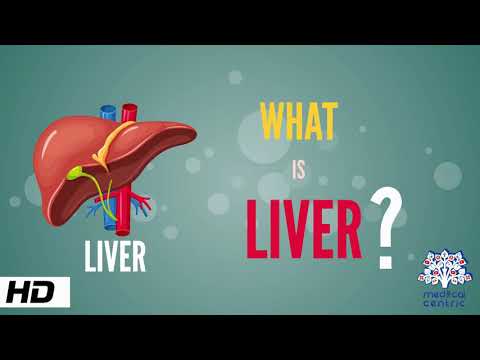
You know that feeling when you eat a slice of cake and your stomach suddenly starts doing the cha-cha? Yeah, that’s probably your liver getting all busy! That little organ is working overtime to process all those sugary delights.
Seriously though, the liver is like the ultimate multitasker. It’s not just there hanging out; it’s doing a ton of stuff behind the scenes. From detoxifying your blood to helping you digest fat, it really keeps things running smoothly in your body.
But let’s be real—it doesn’t get nearly enough credit for all its hard work. So, how about we take a closer look at this amazing organ? You’ll probably find it way cooler than you thought!
Exploring Liver Anatomy and Function: A Comprehensive Overview in Human Physiology
Alright, let’s chat about the liver! This remarkable organ gets a lot of attention when it comes to our health, and for good reason. It’s not just the biggest internal organ; it’s also one of the most vital players in our body’s game plan.
Where is it? Well, the liver is nestled right under your ribcage on the right side. It’s dark reddish-brown and shaped kind of like a wedge. You know how your heart works hard to pump blood? The liver works equally hard but in a completely different way.
This amazing organ has tons of functions. Seriously, I could go on forever about its tasks, but let’s break it down a bit:
- Detoxification: It filters out toxins from your bloodstream. Think of it as your body’s personal bouncer!
- Bile Production: The liver makes bile, which helps you digest fats. Without bile, eating that pizza wouldn’t be as much fun.
- Metabolism: It helps manage sugars and fats in your body. When you eat something sugary, your liver turns that into energy.
- Storage: The liver stores vitamins and minerals too! Vitamins A, D, E, K, and B12 find their home here.
- Blood Clotting Factors: It produces proteins needed for blood clotting—super important if you happen to get a cut!
It’s pretty wild when you think about it. One evening at dinner with friends, we were joking about how much we take our organs for granted until something goes wrong. I had a buddy who didn’t treat his liver nicely with too many late nights and greasy foods. He ended up learning what happens when you don’t show this amazing organ some love—yikes!
Now let’s talk structure. The liver is divided into two main lobes (the left and right lobes), which are further broken down into smaller units called lobules. Each lobule is like its own tiny factory unit doing all sorts of work.
Inside those lobules are cells called hepatocytes doing most of the heavy lifting—they’re busy processing everything from nutrients to drugs! And there are also other types of cells hanging out there too: some help with immune function while others store energy.
You might be surprised to learn that the liver regenerates itself if damaged. So if part of it gets hurt—like from alcohol abuse or fatty liver disease—it doesn’t just throw up its hands in despair! Instead, it can heal itself; pretty inspiring if you ask me!
But hey, don’t think you can just treat it badly because it’s “self-healing.” Our livers are tough but they have their limits just like us after a marathon binge-watch session on Netflix.
So yeah, every time you take a bite or sip something delicious—or maybe not so delicious—remember that this powerhouse is working hard behind the scenes to keep everything in balance!
Exploring the 10 Essential Functions of the Liver in Human Physiology
Sure thing! Let’s talk about the liver, that incredible organ that plays a huge role in keeping our bodies running smoothly. Seriously, it’s like the unsung hero of our physiology. Here’s a rundown of the essential functions of the liver—try to keep up!
1. Metabolism Regulation
The liver is like a metabolic control center. It helps process nutrients from the foods you eat. When you munch on something, your liver takes those carbs, proteins, and fats and converts them into energy or stores them for later use. Pretty cool, right?
2. Detoxification
Ever heard someone say “that’ll poison you”? Well, kind of! The liver detoxifies harmful substances like alcohol and drugs. It breaks these down so your body can safely get rid of them, basically acting as a filter for your bloodstream.
3. Bile Production
So, bile is this greenish fluid that helps digest fats. The liver produces it and stores it in the gallbladder until it’s needed for breaking down fatty foods during digestion. Without enough bile, digesting those delicious fries might be tough!
4. Blood Clotting Factors
If you ever get a cut and your blood clots—thank your liver! It produces proteins called clotting factors that help stop bleeding when injuries happen. So every time you bump into something and don’t bleed out completely? Yeah, credit goes to your liver.
5. Storage of Vitamins and Minerals
The liver doesn’t just process stuff; it’s also a storage facility for vitamins (like A and D) and minerals (like iron). When your body needs these nutrients later on, guess where they come from? You got it—the liver.
6. Immune Function
This one’s wild: the liver houses specialized immune cells called Kupffer cells that help fight infections by filtering bacteria and other toxins from the blood. In essence, it’s not just about metabolism; it’s also defending your body!
7. Regulation of Blood Sugar Levels
The liver helps keep your blood sugar levels in check by storing glucose as glycogen and releasing it when needed (like when you’re running late for breakfast!). If it’s working well, it can help prevent swings between super high or super low sugar levels.
8. Hormone Regulation
Your body has all these hormones doing their thing; guess who keeps tabs on them? Yup! The liver regulates hormones like insulin and cortisol to help maintain balance in the system.
9. Producing Cholesterol
We often hear bad things about cholesterol, but here’s some perspective: cholesterol is important for making hormones, vitamin D, and bile acids that help digest fat! The liver actually produces cholesterol naturally—about 80% of what’s found in our blood comes from there.
10. Conversion of Ammonia to Urea
When proteins break down in our bodies, they produce ammonia—a toxic compound if we’re not careful with it! The good news? Your liver converts ammonia into urea so it can be safely excreted through urine.
So yeah—that’s some heavy lifting done by the little guy on your right side! Each function shows just how vital this organ is to keeping everything balanced inside us—from metabolism to detoxing chemicals we shouldn’t have around anymore. Next time you think about what makes up good health, don’t forget to raise a glass (not too much!) to your hardworking liver!
Exploring the Complex Structure of the Liver: Insights into Hepatic Anatomy and Function
The liver is like the unsung hero of our bodies. Seriously, it does so much but doesn’t get the applause it deserves. So, let’s talk about its anatomy and what it actually does for us.
First off, the liver is a big organ—like, really big. It weighs around 3 pounds and sits right under your rib cage on the right side. If you could peek inside your body (not literally, of course!), you’d find that it’s shaped kind of like a wedge, which helps it fit snugly in place. The liver is divided into two main lobes: the right lobe and the left lobe. These lobes are further divided into smaller units called lobules.
Lobules are tiny functional units of the liver. Each lobule has a central vein surrounded by liver cells called hepatocytes. These little guys are super important because they carry out most of the work that keeps your body running smoothly—like processing nutrients, filtering toxins, and even producing bile for digestion.
Now, speaking of bile, if you’ve ever felt nauseous after a greasy meal, blame it on your liver needing to work overtime! Bile helps break down fats so that our bodies can use them effectively. When food enters your intestines after digestion, bile is released to help with this process.
But wait—there’s more! The liver also plays a crucial role in metabolism. That’s just a fancy word for how our bodies turn food into energy and store nutrients. For example:
- It converts glucose (that’s sugar) into glycogen for storage.
- It processes proteins and removes ammonia—a toxic substance—from them.
- It stores vitamins and minerals like vitamin A and iron.
If you’ve ever had a rough night out with friends (who hasn’t?), your poor liver has to work extra hard to break down all that alcohol. It uses enzymes—the little workers in our cells—to transform toxins into less harmful substances that can be excreted from the body.
Oh! And let’s not forget about blood flow; this organ receives blood from two main sources: one from the heart through the hepatic artery (that brings oxygen) and another from the digestive tract through the portal vein (which carries nutrients). It’s fascinating how these two systems blend together!
You might be surprised to know there are also immune functions at play here! The liver contains specialized cells called Kupffer cells that act like little bodyguards. They help filter out bacteria and dead cells from our bloodstream—pretty cool!
Finally, one last thing: ever heard of fatty liver disease? It happens when there’s too much fat stored in those hepatocytes because of poor diet or excessive drinking—it’s like giving your hard-working liver an unwanted vacation!
So yeah, understanding this complex structure really highlights how crucial our livers are to maintaining overall health. They truly deserve more recognition than they get! It’s mind-blowing how something so vital can keep us living actively every single day without us even realizing it sometimes!
The liver, man, it’s like this amazing multitasker in our bodies. Seriously, if you think about it, it handles so many jobs at once that you kind of have to give it props. I remember when I was in school, we had this lab where we got to dissect a cow liver. Yeah, I know that sounds a bit gross, but honestly, seeing all its lobes and how blood flowed through was breathtaking. It’s like an intricate city under a microscope!
So let’s break it down a bit—this organ is divided into two main lobes and is stuffed full of cells called hepatocytes. These little guys are where the magic happens. They help detox the blood, produce bile for digesting fats (so your cheeseburger doesn’t just sit there), and they even store some nutrients for later use. Like, can you even imagine doing all that? Talk about pulling double shifts!
But here’s where it gets real. The liver isn’t just about keeping things running smoothly; it plays a huge role in health overall. It helps regulate cholesterol levels and processes proteins that keep our immune system strong. Been feeling sluggish? Your liver might be sending out signals that it’s overworked or needs some love.
And yet, despite how vital this organ is, so many folks take it for granted! You’ve probably heard about fatty liver disease or cirrhosis; those are real consequences of neglecting this powerhouse. It’s like thinking your car will run forever without oil changes or tune-ups—eventually, it’s gonna break down.
So here’s the long and short of it: Taking care of our liver means taking care of ourselves in general. Eating right, drinking plenty of water (and not too much booze), and checking in with a doc if something feels off can go a long way to keeping this remarkable organ happy and healthy. Trust me; your body will thank you for every little decision you make!