You know that moment when your heart races because you see your crush? Yeah, that little organ is working overtime, and it’s pretty cool!
So, let’s chat about the anatomical heart. Not just the romantic stuff—it’s all about structure and function in human biology.
Ever thought about how this squishy muscle does its thing? It pumps blood like a pro, keeps everyone energized, and works nonstop.
Imagine being a tiny red blood cell on the journey through this incredible system. Talk about an adventure!
Anyway, we’re gonna break it down together: what makes up this amazing organ and how it keeps us ticking.
Exploring the 7 Essential Functions of the Heart in Human Physiology
The heart is an amazing organ, isn’t it? It’s like the body’s central powerhouse, working hard to keep everything running smoothly. So, let’s take a closer look at the seven essential functions of this incredible muscle in human physiology.
Pumping Blood: First off, your heart’s main job is to pump blood. This may sound simple, but it’s super important! Every time it beats, it sends oxygen-rich blood throughout your body and returns deoxygenated blood back to the lungs. It’s like a constant flow of nourishment for your cells.
Circulating Oxygen: The heart helps circulate oxygen. You breathe in oxygen from the air, andyour blood picks it up from the lungs. That oxygen travels through the arteries thanks to the heart pumping it around. It’s kind of like delivering packages; your cells are always waiting for their deliveries!
Nutrient Distribution: Along with oxygen, the heart also makes sure essential nutrients reach every cell. Think about glucose from food—your body breaks it down and sends it into the bloodstream. The heart pumps this nutrient-rich blood through veins and arteries so that all parts of you get what they need for energy.
Removing Waste: While doing all this pumping and delivering, there’s waste created too—carbon dioxide being one of them. The heart plays a role in taking that waste away from tissues and organs so they can stay healthy. It’s important to keep things clean, you know?
Hormone Transport: Hormones are another key player in the body—think adrenaline or insulin—and yes, your heart helps transport them! When glands release hormones into your bloodstream, guess who carries them along? Yep! This function makes sure that signals from various parts of the body get where they need to go quickly.
Maintaining Blood Pressure: Your heart has a hand in maintaining blood pressure too! It adjusts how hard and fast it pumps based on what’s going on—like if you’re exercising or resting. This is super crucial because if blood pressure gets too high or low, problems can arise.
Temperature Regulation: Lastly, the heart helps regulate your body’s temperature! When you’re hot, more blood flows toward your skin to release heat; when you’re cold, less flows there to keep warmth inside. This balancing act keeps everything running just right.
So there they are—the seven essential functions of your heart! Each one plays a vital role in keeping you alive and functioning well every day. Just think about how much you rely on this little muscle—it works non-stop without us even thinking about it! Isn’t that something?
Anatomical Structures Surrounding the Heart: Their Functions and Significance in Cardiac Health
So, let’s talk about the heart and all that stuff surrounding it. You might think it’s just the heart itself that matters, but nah! There’s this whole cast of supporting structures playing key roles in keeping your ticker healthy and running smoothly.
First up, we have the pericardium. It’s like a double-layered protective bag wrapping around your heart. This sac holds a bit of fluid that helps reduce friction as the heart beats. Imagine running your hand over a smooth surface – that’s how well this fluid allows the heart to move without getting all chafed! Seriously, without this cushioning, every heartbeat would be a total pain.
Next, let’s talk about myocardium, which is basically the muscle of the heart itself. This is what actually contracts to pump blood throughout your body. It’s like the hardworking engine of a car—if it’s not in tip-top shape, you can forget about getting anywhere fast! When it gets too thick or damaged—like from high blood pressure or a heart attack—it can lead to some serious issues.
Now we can’t forget about the endocardium. This inner lining helps keep everything smooth inside the chambers of the heart. Think of it as paint on a wall – it makes everything look nice and prevents any nasty stuff from sticking where it shouldn’t!
And hey, speaking of chambers, there are four main ones: two atria on top and two ventricles at the bottom. The right atrium collects deoxygenated blood from your body while sending it to the right ventricle, which pumps it to your lungs for fresh oxygen. Then you’ve got oxygen-rich blood coming back into the left atrium and heading down into the left ventricle—the powerhouse that sends blood out to nourish every single bit of you!
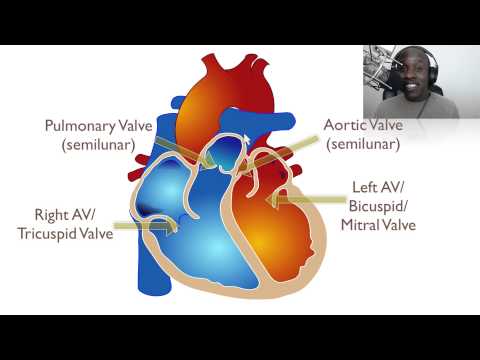
Valves play their part too—there are four of them: tricuspid, pulmonary, mitral, and aortic. These guys work like traffic lights making sure blood flows in just one direction through those chambers. If they malfunction—say they leak or don’t open fully—you could run into some real trouble with blood circulation.
Let’s not skip over coronary arteries, which deliver oxygen-rich blood directly to your myocardium because guess what? Even muscles need food! Blockages in these arteries can lead to chest pain or even more severe issues like a heart attack.
And then there’s the conducting system consisting mainly of nodes and pathways that send electrical signals telling your heart when to contract and relax. It starts with the sinoatrial (SA) node (the natural pacemaker), which generates impulses, pushing you into action when you need those beats!
All these parts connect together for one cause: keeping your heart healthy and functioning optimally. If just one part starts acting up—like if there’s inflammation around your pericardium due to infection—that could mess with how well everything works together.
So yeah, understanding these anatomical structures gives us insight into why looking after our hearts is super important for overall health! Keeping fit isn’t just good for those muscles; it protects all those surrounding structures too! Always remember: A happy heart means happy life!
Comprehensive Anatomy of the Heart: Downloadable PDF Resource for Science Enthusiasts
The heart is like a super cool pump that keeps our blood flowing, you know? If you’re curious about its anatomy and function, you’re definitely in the right place! Let’s break it down.
First up, the heart has four main parts called chambers. These are:
- Right Atrium: This is where deoxygenated blood (blood without oxygen) enters from the body.
- Right Ventricle: It pumps that blood to the lungs so it can get oxygen.
- Left Atrium: After getting oxygen in the lungs, the blood flows into this chamber.
- Left Ventricle: The most muscular part! It pumps oxygenated blood to the rest of your body.
You might wonder why it works this way. Well, it’s all about efficiency. Each chamber has its specific job, making sure your organs receive fresh blood while getting rid of waste. It’s like a perfectly choreographed dance!
The heart’s walls are made up of three layers:
- Epicardium: The outer layer protects the heart.
- Myocardium: This thick muscle layer does all the heavy lifting, contracting to pump blood.
- endocardium: A smooth inner layer that lines the chambers and valves.
This brings us to valves. There are four key ones:
- The **tricuspid valve** between the right atrium and ventricle
- The **pulmonary valve** leading to the lungs
- The **mitral valve** between the left atrium and ventricle
- The **aortic valve** directing blood into the aorta for circulation
If you think about it, valves are like doors with strict rules about when they open or close. They prevent backflow—imagine trying to fill a cup with water but spilling it everywhere! Not fun, right?
Your heart also has an electrical system that controls its beats. There’s a natural pacemaker called the sinoatrial node (SA node). It sends signals that cue your heart muscles to contract and relax rhythmically. Talk about teamwork!
Anecdote time! I remember visiting my grandma in the hospital once; she had a heart issue and was connected to all sorts of machines monitoring her heartbeat. The beeping sounds were both calming and nerve-wracking—a reminder of how delicate yet strong our hearts can be!
If you’re looking for more detailed resources on heart anatomy, many universities offer downloadable PDFs filled with diagrams and details—most of them are even free! They can help you visualize everything we discussed here.
The bottom line is: understanding how your heart works not only fascinates but also empowers you about your own health. So keep exploring—you never know what could inspire you next!
You know, when you really think about it, the human heart is kinda amazing. I remember in school, we had this science class where we were told that this fist-sized organ is literally the engine of our bodies. It’s wild to imagine how something so small can pump blood through miles of veins and arteries.
So let’s break it down a bit. The heart has four main chambers—two atria on top and two ventricles below. The right side of the heart takes in deoxygenated blood (which is just a fancy way of saying blood that’s been around the body and needs some fresh air) and sends it to the lungs. This is where the magic happens: the blood picks up oxygen, kind of like filling up your tank before a road trip.
Then, it comes back to the left side of the heart, and this part is responsible for pumping oxygen-rich blood all over your body. It’s almost like a super efficient delivery service! But get this: there’s also a bunch of valves in there that make sure everything flows in one direction—seriously, without those little guys, things could turn into a chaotic mess.
And what blows my mind even more is that your heart doesn’t need any help from your brain to keep beating. That’s right! It has its own electrical system that tells it when to beat and how fast. Picture an orchestra playing perfectly together without a conductor; it’s pretty incredible how well our hearts do their own thing.
I once had an experience where my friend fainted during gym class, and we found out later he had an arrhythmia—a problem with his heart’s rhythm. That was such a wake-up call! It made me realize just how important it is to take care of our hearts because they keep us alive and thriving.
Anyway, if you think about all the work your heart does every day—beating around 100 thousand times daily—it’s no wonder why maintaining good cardiovascular health should be high on our list of priorities! Whether it’s eating well or getting involved in some fun activities like jogging or cycling, taking care of this little powerhouse can make all the difference in how we feel every day. Seriously, it’s worth thinking about next time you feel your pulse racing!