You know what’s wild? Your brain weighs about three pounds. That’s like a bag of flour or maybe a medium-sized cat. Crazy, right?
But here’s the kicker: it controls everything you do, like thinking, moving, and even remembering where you put your keys (which I can never seem to find). Seriously, your brain is like the ultimate control center.
So let’s talk about that amazing chunk of squishy matter sitting in your noggin. What makes it tick? How does it help you feel emotions or learn new stuff? This journey into cerebrum anatomy is gonna uncover some seriously cool things about how it all works. Get ready!
Comprehensive Guide to Cerebrum Anatomy: Exploring Brain Structure and Function – Downloadable PDF
The brain, like the ultimate control center of our body, is a wonder in itself. At the heart of this marvel sits the cerebrum, which is the largest part of our brain. It’s responsible for so many things, like thinking, memory, emotions, and even movement. Let’s take a quick tour through its anatomy and functions.
First off, the cerebrum is divided into two halves called hemispheres. Each hemisphere manages tasks and processes information from opposite sides of the body. So, your right hand moves thanks to your left hemisphere calling the shots—pretty neat, huh?
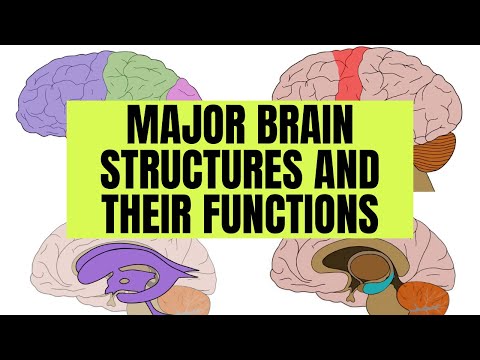
Each hemisphere includes four main regions known as lobes:
- Frontal Lobe: This part’s all about decision-making and planning.
- Parietal Lobe: It processes touch sensations and helps with spatial awareness.
- Temporal Lobe: Think memory and hearing. This lobe is crucial for recognizing faces or tunes.
- Occipital Lobe: This one’s your visual powerhouse! It makes sense of everything you see.
Now, let’s talk about how these lobes work together. Imagine you’re at a concert. Your temporal lobe grabs onto those catchy beats while your occipital lobe decodes all those flashy lights dancing across the stage. The frontal lobe? It’s figuring out if you’ll buy another t-shirt or just enjoy that awesome moment.
But here’s where it gets really cool: within these lobes are special areas known as cortical regions. They handle specific functions like movement or speech! For instance, there’s something called the motor cortex, located in the frontal lobe. It controls voluntary movements. If you decide to raise your hand for a question (like I always do!), that motor cortex is firing up!
Also important are connections between different parts of the brain through bundles of nerves called white matter. They help communicate messages quickly between various areas of cerebral cortex—think of it as a high-speed highway for information!
And guess what? The outer layer of the cerebrum has something called gray matter, which consists mainly of nerve cell bodies. This layer looks wrinkly because it folds upon itself to increase surface area—more wrinkles mean more neurons packed in there doing their thing!
You know what else? The cerebrum also plays a role in regulating some involuntary processes too—like breathing while you dance at that concert! This integrated approach helps keep everything running smoothly.
Just to paint a more personal picture: remember when you learned to ride a bike? Your frontal lobe was busy making decisions about balance while your motor cortex was coordinating all those movements necessary to stay upright. Eventually, with practice—and maybe some spills—you reached that blissful point where it felt effortless!
So there you have it! The cerebrum isn’t just one massive blob; it has an intricate structure designed for various functions that make life interesting and manageable. Next time you’re solving puzzles or jamming out to music, thank that amazing brain of yours—it’s doing some serious work behind the scenes!
Exploring Cerebrum Function: Key Insights into Brain Processes and Their Impact on Science
The cerebrum is like the superstar of your brain. Seriously! It handles so much of what makes you, well, you. We’re talking about everything from thought and memory to movement and even emotions. Crazy, huh?
To break it down a bit, the cerebrum is the largest part of your brain, making up about 85% of its weight. It’s divided into two halves—called hemispheres—that are connected by a thick bundle of nerves known as the corpus callosum. This connection helps both sides communicate with each other. And guess what? Each hemisphere has its own little quirks!
- The left hemisphere is often associated with logic and analytical thinking. Think math problems or language skills.
- The right hemisphere, on the flip side, is all about creativity and intuition. That’s where your artistic side comes from!
The surface of the cerebrum is covered in ridges called gyri and grooves known as sulci. These features pack more neurons into a smaller space—sort of like folding a blanket to fit it in your suitcase.
What’s really cool is that different areas of the cerebrum are responsible for specific functions. For instance, there’s the frontal lobe, which plays a big role in decision-making and impulse control. Then you have the parietal lobe, which processes sensory information like touch and temperature.
A fun personal anecdote comes to mind here: I once tried learning how to juggle during a summer camp. Seems simple enough, right? But my frontal lobe was working overtime trying to coordinate my hands while my parietal lobe was shouting out instructions based on how each ball felt as it flew through the air! Talk about teamwork!
- The occipital lobe? That one’s all about vision.
- The temporal lobe? Well, it helps with memory and hearing.
Certainly, understanding how these lobes interact can shine light on various conditions too. For example, damage to specific areas can lead to issues such as memory loss or motor skill problems—like if someone had an accident that affected their left frontal lobe; they might struggle with planning tasks.
This gets interesting when you think about how scientists study these processes! They use methods like brain imaging techniques (think MRIs or CT scans) to visualize activities and understand conditions better. Each insight helps advance fields like psychology or neurology.
The cerebrum isn’t just fascinating for its structure but also for its role in daily life. Our ability to think critically, remember cherished moments, or simply enjoy a beautiful piece of art all stem from this magnificent part of our brains.
So next time you’re lost in thought or feeling something deeply, just know that it’s all happening up there in the cerebrum—making our experiences richer than we can even articulate!
Understanding Brain Parts and Their Functions: A Comprehensive Guide to Neuroscience
Sure! Let’s chat about the brain, shall we? It’s like, this super complex organ that does so much more than just keep you alive. Seriously, it’s kind of amazing how everything works together.
The cerebrum is the largest part of your brain and is divided into two halves, called hemispheres. Each hemisphere has four main regions or lobes that handle different tasks. Let’s break it down a bit.
- Frontal Lobe: This part is all about decision-making, problem-solving, and controlling behavior. It’s where your personality lives! You know when you’re trying to make a tough choice? That’s your frontal lobe doing its thing.
- Parietal Lobe: Think of this as the sensory hub. It processes information from your senses like touch, temperature, and pain. Ever touched something hot and jumped back? Yep, that quick reaction was thanks to the parietal lobe.
- Temporal Lobe: This one deals with hearing and memory. If you’ve ever tried to remember a song or someone’s name, you’re tapping into this lobe. It helps you recognize faces too—so don’t worry if you forget sometimes; it happens!
- Occipital Lobe: Now we’re talking vision! This part processes what you see and helps interpret visual information like colors and shapes. Imagine staring at a beautiful sunset; your occipital lobe is working hard to make sense of all those colors!
But wait, there’s more! The cerebrum isn’t alone in this; it works with other brain parts too. There’s the cerebellum, which controls balance and coordination—perfect for when you’re trying to ride a bike without wobbling! And then there’s the brainstem, which keeps all the automatic stuff running smoothly like breathing and heart rate.
So here’s an anecdote for you: I remember watching my friend try to juggle for the first time. At first, he was all over the place—balls bouncing everywhere but his attempts were hilarious! Eventually though, he started getting better at it. That improvement? His cerebellum kicking into gear! Balancing those balls took practice but his brain adapted fast.
In summary, understanding these parts of your brain gives you insight into how we think, feel, learn—basically how we do everything! Isn’t it wild to think about how interconnected everything is? So next time you’re navigating life or even just chilling out watching TV, remember there’s a whole lot happening up there in your head making it all possible!
So, you know how when you think of the brain, it kinda feels like this big mystery? I mean, it’s the control center of everything we do, and yet it’s so intricate that it’s easy to get lost in all its complexities. Just thinking about cerebrum anatomy can give you a bit of a headache! But let’s break it down together.
The cerebrum is the largest part of our brain. Seriously, it’s like the boss of the brain gang. It’s divided into two halves called hemispheres—left and right. Each one has its own strengths, which makes things super interesting. The left side typically handles logic, math, and language, while the right side is all about creativity and intuition. Isn’t that neat?
I remember once chatting with a friend who struggled with math but could whip up amazing music on the piano. It really brings home how each hemisphere has its own flair for different tasks. So basically your two halves are working together like a dynamic duo—one’s solving problems while the other’s vibing with some art!
And then there are lobes: frontal, parietal, temporal, and occipital. Each lobe has particular functions tied to certain body activities or responses—all interconnected in this wild web we call cerebral cortex—the outer layer of the cerebrum! The frontal lobe is like your personal decision-maker; it helps with planning and emotions. The temporal lobe? Well, that’s where your memories hang out! Wild thoughts about memories popping up there—you reach for a snack and suddenly remember that time you burnt toast at 3 AM!
What really gets me is how our experiences shape these structures over time. You know those times when you learn something new or pick up a new hobby? That actually alters your brain physically! It builds connections between neurons—those little messengers running around in our heads—and strengthens pathways as you practice skills or ingest knowledge.
But hey, let’s not forget the whole idea of neuroplasticity—this fancy term means your brain can change even as you get older! No matter where you are in life, you’re capable of growth—kinda gives me hope whenever I feel overwhelmed.
So yeah, next time you’re lost in thought or zoning out during a meeting (we’ve all been there), just remember there’s an entire world inside your skull doing some serious work connecting thoughts and feelings—shaping who you are every second! It’s mind-blowing (pun intended) when you think about it: this labyrinthine structure governs everything from basic survival to complex creativity—an awe-inspiring blend of biology and experience weaving together in this cerebral masterpiece we call life.