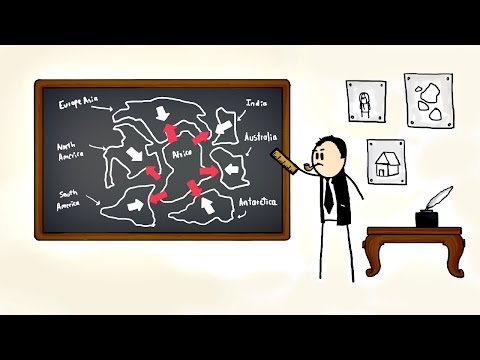
You know that feeling when you’re walking and just totally trip over nothing? Your brain’s like, “What was that all about?” Well, Earth does something kinda similar on a massive scale!
Picture this: the ground beneath your feet isn’t just solid rock. It’s like a giant puzzle made up of moving pieces called tectonic plates. And these plates are constantly shifting around. Sometimes they crash into each other, sometimes they slide apart—it’s all a bit dramatic, really!
So, here’s the thing. Our planet is alive with activity, way more than most of us think while going about our day. You’ve got earthquakes shaking things up and volcanoes erupting like nature’s fireworks show!
It’s not just science stuff either; there’s history woven in there—how continents drifted apart and what our landscapes look like today. Join me as we unravel this wild world of plate geology together! Seriously, you’re gonna want to know more about how our planet keeps itself on its toes—or should I say toes on the tectonic edges?
Exploring the Impact of Plate Movement on Earth’s Geological Structures and Dynamics
The Earth is a bit like a giant puzzle, and all the pieces are constantly moving. These pieces are called tectonic plates, and they float on the molten rock beneath them. When we talk about plate movement, we’re really diving into how these massive slabs change the Earth’s surface over time.
So, what exactly happens when these plates shift? Well, there are a couple of main movements to consider: they can pull apart, crash into each other, or slide past one another. Each of these actions creates different geological features and impacts, which I think is super cool!
- Divergent boundaries: Here, plates move away from each other. This is where new crust is formed. Think about the Mid-Atlantic Ridge; it’s like a giant underwater mountain range that keeps growing because of this movement.
- Convergent boundaries: When two plates collide, one may be forced under the other in a process called subduction. This leads to volcanic activity and mountain building. The Himalayas were formed this way when the Indian plate slammed into the Eurasian plate.
- Transform boundaries: At these sites, plates slide past one another horizontally. It’s kind of like rubbing your palms together. The friction can cause earthquakes! The San Andreas Fault in California is famous for this kind of movement.
Now let’s get emotional for a sec! Imagine standing on a beach when suddenly the ground shakes beneath you because two tectonic plates decided to have a little tussle beneath the ocean. That’s an earthquake! And while it might seem scary—and it can be—it also reminds us how alive our planet really is.
Also, plate movements don’t just create **mountains and valleys**; they also affect things like climate and ocean currents over time. When mountains rise high enough to block air masses, they can create deserts on one side and lush forests on the other—like what happened with the Andes Mountains in South America.
Plus, there’s more! These movements play a big role in how minerals and resources are distributed around our planet. For instance, certain metals get trapped at convergent boundaries because of all that intense pressure and heat—making these areas prime spots for mining.
So yeah, plate tectonics impact not just geology but also life itself—affecting ecosystems as well as human settlements. You see how interconnected everything is? It’s pretty mind-blowing when you think about it!
To wrap up this little chat: plate movements shape our world in ways we often overlook but ultimately define much of what we know about Earth today—from its breathtaking landscapes to its sometimes chaotic nature. Like an ongoing dance with nature that never really stops!
Understanding Plate Tectonic Theory: Key Concepts and Implications in Geology
Plate tectonics is this super cool theory that explains how our planet works beneath the surface. Basically, think of Earth like a giant puzzle made of huge pieces called tectonic plates. These plates are always moving, but really slowly—like a snail’s pace. It’s wild to think about, right?
So, what’s the deal with these plates? Here’s a rundown:
- Tectonic Plates: There are seven major ones and many smaller ones. They float on the semi-fluid layer of the mantle.
- Plate Boundaries: There are three types of boundaries where these plates interact: divergent (moving apart), convergent (slamming together), and transform (sliding past each other).
- Earthquakes and Volcanoes: Most earthquakes happen near plate boundaries. When they bump or slide against each other, it releases energy that we feel as shaking.
- Mountain Building: When two continental plates collide, they can push up mountains. That’s how the Himalayas were formed!
I remember watching a documentary once—something clicked in my mind when I saw footage of tectonic activity creating new islands in the ocean. It was incredible! Each new island is like proof of this slow but constant change happening all around us.
Now, let’s talk about why all this matters! Understanding plate tectonics helps scientists predict natural disasters like earthquakes and volcanic eruptions. If you know where most activity happens, you can prepare better. For instance, places along the Pacific Ring of Fire, which is home to many volcanoes and earthquakes, need to be ready for action.
Additionally, studying plate movements has allowed geologists to piece together Earth’s history. Did you know that continents weren’t always where they are now? They’ve drifted apart and come back together over millions of years! That’s pretty mind-boggling when you think about it.
You see all those layers in rock formations? Those tell a story! They show how Earth has changed through time thanks to tectonic activities—think ancient oceans closing up or continents colliding.
In summary, plate tectonics isn’t just some dry geology lesson; it’s about understanding our home on Earth—the forces shaping landscapes and life itself. So next time you feel an earthquake or see a mountain range, remember that there’s a whole dynamic world underneath your feet making it all happen!
Exploring Plate Interactions: The Construction and Destruction of Geographic Features on Earth’s Crust
You know, Earth is kind of like a giant puzzle! The surface is broken into huge pieces called tectonic plates, and they’re always moving around. This movement causes all sorts of stuff to happen—like earthquakes, volcanic eruptions, and even the formation of mountains!
These tectonic plates interact with each other in different ways. Here’s how:
- Divergent Boundaries: Plates pull apart from each other here. Think about it like a giant zipper opening up. When this happens, magma rises from below the Earth’s crust to fill the gap. That’s how you get new ocean floors and mid-ocean ridges! The Mid-Atlantic Ridge is a prime example.
- Convergent Boundaries: This is where plates push against each other. One plate can slide beneath another, a process called subduction. This creates mountains and deep ocean trenches. The Andes mountain range was formed this way when the Nazca Plate pushed up against the South American Plate.
- Transform Boundaries: Here, plates slide past one another horizontally. It’s like when you try to move two cards across a table at the same time but they rub against each other instead of passing smoothly. This action can cause serious earthquakes! A famous example would be the San Andreas Fault in California.
The construction of geographic features like mountains or valleys doesn’t happen overnight; it takes millions of years! Seriously! Imagine watching grass grow—it’s slow but when you look back after years, you see big changes.
And what about destruction? Well, sometimes these interactions can lead to the eroding of features we think are permanent. Erosion happens due to wind, rain, or ice wearing away rocks over time. For instance, rivers carving out canyons are examples of this destructive process—think about how the Grand Canyon came to be!
So what drives all this movement? Well, it’s mostly because of heat deep within the Earth that creates convection currents in the mantle layer underneath these plates. This heat pushes and pulls on them continuously.
I remember when I first learned about plate tectonics; I was fascinated! It blew my mind thinking that beneath our feet there’s all this action going on every second! You really start to feel just how alive our planet is.
This whole dance between construction and destruction shapes not only our landscapes but also influences ecosystems and human life too—you know? The world we live in is constantly changing due to these powerful forces below us!
You know, when you really start to think about the Earth beneath our feet, it’s kind of mind-blowing. I mean, it’s not just this solid chunk of rock that sits still. It’s alive in a way! Picture this: millions of years ago, dinosaurs roamed the land, while the continents were in totally different spots. Just like a giant puzzle, all these pieces have been moving around for eons.
So, what’s behind this epic game of geological tag? Well, plate tectonics is the name of the game. Basically, the Earth’s outer shell—called the lithosphere—is divided into huge plates that float on a gooey layer called the asthenosphere. This isn’t just some dry science lesson; it’s what causes mountains to rise and earthquakes to shake things up!
There was this one time I was hiking in a mountain range with my friends, and we were surrounded by these towering cliffs that seemed so ancient and powerful. As we climbed higher, I couldn’t help but marvel at how those peaks were formed by tectonic forces crashing together over millions of years. It’s like nature showing off its strength and creativity!
The movement of these plates happens at different rates—some crawl along at just a couple centimeters a year while others can zip along faster than you can blink. And because they’re constantly shifting, they sometimes bump into each other or slide apart. This interaction can lead to everything from magnificent mountain ranges to volcanic eruptions! Seriously powerful stuff.
But it’s not all about giant landforms; these tectonic movements can shake up our lives too! Ever been caught in an earthquake? Pretty unsettling experience! It reminds us that our planet is dynamic and unpredictable.
Learning about plate tectonics really gives you perspective on how everything is interconnected: mountains rise and weather patterns shift based on these movements underneath us. It’s almost poetic if you think about it—the Earth has its own rhythm and dance that shapes life and landscapes over time.
The thing is, understanding this dynamic nature makes us appreciate our world more deeply. So next time you’re outside or even just standing there feeling the ground beneath you, take a moment to think about everything going on below—it’s like being part of an awe-inspiring story that’s been unfolding for billions of years!