Okay, so picture this: you’re chilling at a barbecue, and someone challenges you to a game of cornhole. You’re feeling confident, right? You grab that bean bag, aim… and your hand just doesn’t want to cooperate. Oof! That’s when you realize how much we take our hands for granted!
Seriously, though, our hands are pretty incredible. They’re like finely tuned machines that help us do everything from typing to throwing those pesky bean bags. But have you ever stopped to think about what makes them work?
Alright, here’s the scoop: it all comes down to tendons. These little guys are the unsung heroes of our hands. They connect muscles to bones and let us move our fingers just how we need to—like magic!
So let’s take a closer look at hand tendon anatomy. Trust me; once you get into it, you’ll see just how fascinating your own hands can be! Plus, it might even save you from that embarrassing cornhole moment next time.
Comprehensive Insights into Right Hand Tendon Anatomy: Structure and Function in Human Biomechanics
Sure thing! Let’s dig into the fascinating world of tendon anatomy in your right hand! It’s seriously cool how our bodies work, and the tendons in our hands play a big role in letting us move and do things we take for granted every day. So, here we go!
Your Hand’s Tendons: What are They?
Tendons are those strong, fibrous cords that connect muscles to bones. In your right hand (or left, but we’re focusing on the right here), they help you grip, pinch, and control all sorts of movements. You can think of them as the ropes that pull everything together.
Different Types of Tendons
There are two main types of tendons in your hand:
- Flexor Tendons: These are responsible for bending your fingers. They run along the palm side of your hand.
- Extensor Tendons: These allow you to straighten your fingers out. They’re located on the back side of your hand.
The Flexor System
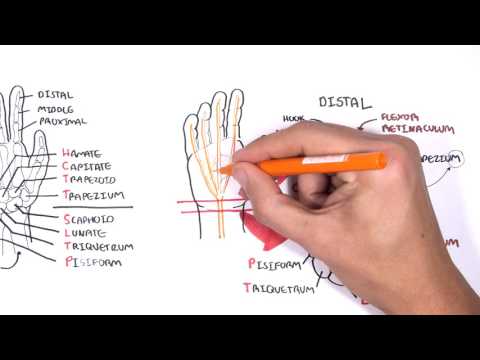
The flexor tendon system includes two crucial tendons for each finger—the flexor digitorum superficialis and flexor digitorum profundus. They work together like a dynamic duo:
– The superficial tendon bends your finger at the middle joint.
– The profundus bends it at the tip.
Imagine trying to make a fist or pick up something like a cup; these tendons get to work!
The Extensor System
Now let’s flip things around a bit. When you extend or straighten your fingers, it’s all thanks to extensor tendons like extensor digitorum. This one takes control when you’re waving goodbye or reaching for something on the top shelf.
What’s truly interesting is how these tendons interact with each other. There are also some important connections involving muscles that help coordinate movement—like when you try to grab something firmly without dropping it.
Tendon Sheaths and Their Role
To keep things smooth sailing, flexor tendons have protective coverings called sheaths that allow them to glide effortlessly during movement. It’s kinda like having super slick highways instead of bumpy back roads!
If inflammation happens—like in carpal tunnel syndrome—it can cause pain and restrict movement because the tendons can’t glide properly anymore.
The Biomechanics Behind It All
Biomechanics is basically how forces affect movement in living systems—so think about how much pressure you put on those tendons while gripping something tightly versus lightly. The balance between strength and flexibility is crucial for avoiding injury too.
When you do repetitive tasks—like typing or playing an instrument—these fine structures take quite a beating! There’s a reason why stretching and strengthening exercises are key if you want those tendons to stay happy.
An Emotional Connection
Now picture this: maybe you’ve had one of those days when you’ve injured your hand while doing something silly—like trying to catch a falling glass! You could feel that sharp pain shoot through as you realize how much we rely on our hands every day for little things—from texting friends to baking cookies, right?
That kind of accident reminds us just how important tendon anatomy really is—not just in terms of motion but also for keeping our daily lives flowing smoothly!
In summary:
Understanding the structure and function of right-hand tendon anatomy gives insight into its crucial role in biomechanics. So remember, whether you’re flexing or extending those fingers, **tendons** make all the magic happen!
Exploring Left Hand Tendon Anatomy: Insights into Structure and Function in Human Biology
When we talk about left hand tendon anatomy, it’s all about understanding how these little strands of tissue help your fingers do their thing. The tendons in your left hand connect the muscles in your forearm to the bones in your fingers, allowing us to grip, pinch, and type—basically live life! So, let’s break it down.
First off, there are two main types of tendons in the hand: flexor tendons and extensor tendons. Each has a specific job. Flexor tendons let you bend your fingers, while extensor tendons help you straighten them out. Think of flexors as the bouncers at a club who only let you in if you’re ready to party (a.k.a. flexing), and extenders as the ones making sure you don’t get too rowdy!
The flexor system consists mainly of two big players: the flexor digitorum superficialis and flexor digitorum profundus. The superficialis only goes so deep—it connects to the middle phalanges (those are the bones in your fingers) and lets you bend them at one joint. Meanwhile, profundus dives deeper and bends at two joints, connecting all the way down to the distal phalanges (the tip of your finger).
- The flexor digitorum superficialis: This tendon helps with basic grasping actions.
- The flexor digitorum profundus: It’s crucial for finer movements like typing or playing an instrument.
Now swinging over to extensor tendons—these guys stretch across our hands from the back of our forearms to each fingertip. They work together with several different muscles but basically allow us to extend our fingers after they’ve been all curled up. Metaphorically speaking, if flexors are like people getting ready for a hug—the extenders are those same people letting go!
- The extensor digitorum: This is key for straightening out all four fingers.
- The extensor indicis: A fancy name for a muscle that helps extend just your index finger; super handy when you want to point at something.
A fun fact? Both sets of tendons run through a system of protective tunnels called sheathees. These sheaths provide lubrication so that when tendons slide over bones during movement, they don’t get all frayed or friction-y! Basically, think of them as high-tech water slides for your tendons—smooth sailing!
If we’re talking function here, remember that injuries can lead to serious consequences. A ruptured tendon can limit movement significantly. Imagine not being able to easily pick up a coffee cup or hold hands with someone special because it just hurts too much! Hand surgeons often work wonders on repairing these injuries; it’s fascinating how something so small can create such big issues.
Taking care of those marvelous little structures is vital too! Simple things like stretching regularly or using ergonomic tools can keep everything functioning smoothly. Sometimes it’s easy to overlook what happens inside our bodies until something goes wrong. But understanding this anatomy might just inspire you to be a bit kinder to those hardworking hands!
You know what? Next time you’re typing away or picking something up with your left hand, give a moment’s appreciation for those unsung heroes—the left hand’s tendon structures—and remember how much goes on beneath the surface every single day!
Comprehensive Analysis of Flexor Tendons in Hand Anatomy and Function: Implications for Rehabilitation and Surgical Interventions
Alright, let’s get into the nitty-gritty of flexor tendons in our hands. These tendons are absolutely crucial for, you know, all the things we do every day. Think about it: typing, playing an instrument, or even just gripping a cup of coffee. Flexor tendons are what allow our fingers to bend and grasp objects.
So, what exactly are flexor tendons? Well, they’re like strong bands that connect your muscles in your forearm to the bones in your fingers. There are two primary ones for each finger: the superficial digital flexor tendon and the deep digital flexor tendon. The superficial tendon is responsible for bending the first two joints of your finger, while the deep tendon takes care of bending that last joint.
Why should you care about them? When these tendons get injured—whether from a cut or a tear—it can seriously affect how well you use your hands. And trust me, it can be frustrating! Imagine trying to zip up your jacket with stiff fingers. Not fun at all.
- Tendon Anatomy: Flexor tendons run through a protective sheath in the hand called the synovial sheath. This keeps them lubricated and healthy.
- Tendon Function: They help in gripping and manipulating objects. Without them working smoothly, simple tasks become quite tricky.
- Surgical Interventions: If there’s a severe injury, surgery might be necessary to repair those tendons properly. Surgeons will usually stitch them back together so they can heal correctly.
- Rehabilitation: After surgery or injury, rehabilitation is key! Physical therapy helps strengthen those muscles again and restore full range of motion.
You see, there’s a lot more going on than just “some cables” in our hands! I remember seeing my friend’s hand after she had a tendon repair surgery—her fingers looked so stiff initially! But with consistent therapy and patience, she slowly got back to playing guitar like nothing happened!
The takeaway here? Flexor tendons might seem small in size, but their impact is massive on how we function day-to-day. Understanding their anatomy helps not just medical professionals but also anyone interested in knowing how our bodies work—and that knowledge can be super empowering!
If you ever find yourself curious about hand movements again or feel like testing out some finger exercises post-injury (when it’s safe!), remember this bit about flexor tendons and give ‘em some appreciation!
You know, when you pause for a second and think about how much we use our hands every single day, it’s pretty mind-blowing. Typing, cooking, playing an instrument—our hands are always working, right? Well, there’s this whole world of tendons that we hardly ever think about.
Let’s break it down a bit. Tendons are those tough little bands that connect muscles to bones. In your hands, they play a super vital role in all that amazing movement and grip we take for granted. There are two main sets of tendons in the hand: flexor tendons and extensor tendons.
The flexor tendons are the ones that let you curl your fingers and make a fist. Think about that moment when you catch a ball—it’s all thanks to these bad boys working their magic! On the flip side, extensor tendons help straighten your fingers out. Imagine trying to wave hello without them; it would look pretty awkward!
When I was younger, I remember trying to learn guitar. My fingers were all over the place at first; I just couldn’t get them to move how I wanted. It took time and practice—who knew my poor tendons were the ones struggling alongside me? They need some love too!
So here’s something interesting: these tendons glide through little tunnels called sheaths in our hand. It’s almost like they have their own slide show going on in there! This smooth movement is crucial because any friction can cause pain or limit movement—ouch! Injuries or conditions like tendonitis can put a real damper on your hand game.
What gets me is how something so tiny can affect our daily lives so dramatically. Whether it’s painting, typing away at your laptop, or even making the perfect sandwich—it’s like those tendons are unsung heroes behind the scenes.
So yeah, next time you’re using your hands (which is literally every minute), give a little thought to those hardworking tendons doing their thing silently! They’re kind of incredible when you really start thinking about it.