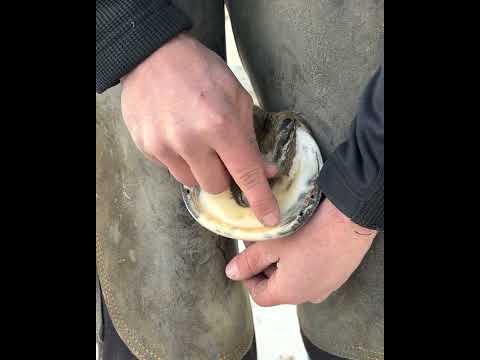
You know, I once watched my friend Sarah try to pick out her horse’s hoof. It was like watching an art student attempt to sculpt a masterpiece with a spoon. She was all concentration, but the horse? Totally unfazed.
That got me thinking about how crazy important hooves really are. Seriously, they’re like the unsung heroes of the equine world—supporting everything and keeping those majestic creatures moving smoothly.
But do you ever actually stop to think about what’s going on in there? Inside those tough, outer layers lies a whole lot more than just dirt and sticky grass. You’ve got bones, tendons, and structures that work together like a finely tuned machine.
So yeah, hooves aren’t just hooves. They’re intricate systems that have evolved over thousands of years! Let’s take a closer look at this fascinating topic because trust me, once you know how they work, you’ll appreciate every gallop even more.
Comprehensive Guide to Horse Hoof Anatomy Models: Understanding Equine Science and Biomechanics
So, let’s talk about horse hoof anatomy! Understanding it can be a bit mind-boggling at first, but I promise it’s super interesting once you get into the nitty-gritty of it. Imagine a horse running gracefully—those hooves are doing some serious work to keep that rhythm going.
First off, the hoof is basically like a protective shell for the horse’s foot. It’s tough and built to support all that weight while providing traction and shock absorption. Here’s what makes this whole system tick:
- The Wall: This is the outer part of the hoof. It’s made up of a hard material called keratin, which is the same stuff in your nails. This wall protects the inside structures from injury.
- The Sole: The bottom part of the hoof, which looks flat but is actually quite complex. It helps protect the internal structures and provides some cushioning against rocks and uneven ground.
- The Frog: Yup, that’s what it’s called! It’s a triangular rubbery structure in the middle of the sole. Not only does it help with shock absorption, but it also plays a crucial role in blood circulation when the horse moves.
- The Digital Cushion: Located above the frog, this structure acts like a shock absorber too! It expands and contracts when a horse walks or runs, which helps pump blood back up through those legs to avoid stiffness.
- The Laminae: These are finger-like projections that attach the hoof wall to the coffin bone inside. They’re like velcro, keeping everything together while allowing for some flexibility during movement.
Now here’s something kinda cool: all these parts work in harmony when a horse moves. There are mechanics at play—biomechanics, to be precise—that show how forces shift as they trot or gallop.
Speaking of mechanics—let me tell you about an eye-opener I had once while volunteering at an equine therapy center. I helped care for this lovely mare named Bella who had some hoof issues. Watching how she moved showed me just how critical good hoof health is! Each step she took lit up my understanding of how carefully their anatomy functions together.
If you break it down further, like really nerd out on specifics—you’ll see things like angles and pressure points making big differences in how well horses perform or even stay sound (that means healthy and pain-free). For instance, if there’s too much pressure on one side of their hooves because they’re unevenly worn down? Ouch! That can lead to problems over time.
In terms of models used for studying this anatomy; there are a bunch out there ranging from simple 3D printed models to high-tech interactive diagrams online that let you see inside those hooves as if you were slicing open an apple! Utilizing these tools can help not only professionals but also everyday horse owners better understand what’s going on within those sturdy yet delicate structures.
Understanding equine science through hoof anatomy helps us appreciate these magnificent creatures even more. The next time you see a horse galloping gracefully across an open field or trotting alongside you on a trail ride—it might just click how essential those hooves are in making all that beauty possible! Pretty neat stuff, right?
Comparative Anatomy of Horse Hooves and Human Feet: Insights from Comparative Biology
The horse hoof and the human foot might seem worlds apart, but get this: they actually tell a fascinating story about how evolution shapes the bodies of different species. Let’s break it down.
- Structure: A horse’s hoof is like a giant toenail, made up of a hard outer shell called the hoof wall. This part protects the inner structures and absorbs shock when they gallop around. Your foot? It has bones, muscles, tendons, and ligaments that work together to give you balance and flexibility.
- Bone Composition: A horse’s hoof consists of just one main bone called the distal phalanx or “coffin bone,” which rests inside the hoof. In contrast, human feet have 26 bones! These include the tarsals, metatarsals, and phalanges that help you walk on two feet.
- Function: Horses need to run fast to escape predators. Their hooves are built for speed and stability on various terrains. The tough exterior helps them deal with rocks or mud without injuring themselves. Humans walk upright, so our feet need to support our entire body weight while providing some bounce and movement.
- Kinetic Energy: Horse hooves are designed to store and release energy efficiently when running—think of it as a spring action. This allows them to keep up high speeds without expending too much energy simultaneously. Human feet, while not built for sprinting like a horse’s hooves, help absorb shock when we walk or run.
- Mud vs. Flat Ground: Horses often deal with muddy conditions; their hooves prevent clumping mud from making it harder for them to move around. Your shoes can get muddy too! But ultimately, humans usually just stick to flat surfaces which means our foot design doesn’t need those adaptations.
So why does this matter? Well, studying horse hooves teaches us about evolutionary biology and how animals adapt based on their environments! Plus, if you’ve ever seen a horse galloping effortlessly across a field or felt your own tired feet after a long walk—there’s an interesting connection there.
Imagine feeling the ground beneath you as you run barefoot versus wearing sneakers; that’s your anatomy working its magic right there! The way we balance structure and function in both species showcases incredible evolution in response to different lifestyles.
Next time you think about how horses sprint across fields while you’re jogging through your neighborhood, remember that nature really has some clever designs going on!
Exploring Horse Hoof Anatomy: A Comprehensive Study of Laminae Structure and Function
So, let’s talk about horse hooves. You might not think about them every day, but those sturdy feet are like a finely-tuned piece of machinery. The way they work is pretty cool, especially when you dig into the anatomy of horse hoof laminae.
First up, what are **laminae**? Well, laminae are thin layers of tissue that connect the hoof wall to the underlying bone structure. Think of them as a sort of glue that keeps everything together. There’s this intricate relationship going on between the hoof and the bones inside it—mainly the coffin bone, which sits snugly within the hoof.
Now, let’s break it down a bit more. The hoof is made up of several key structures:
- Hoof Wall: This is the hard outer part you see—like a protective shell.
- Laminae: These are found between the hoof wall and the coffin bone.
- Sole: This is the bottom part of the hoof that protects it from dirt and debris.
- Frog: It’s this triangular rubbery pad in the middle—helps with shock absorption!
The laminae themselves can be split into two main types: sensitive and insensitive laminae. The sensitive laminae are rich in blood vessels and nerves, which makes them crucial for sensation and health. On the flip side, we have insensitive laminae, which are keratinized (basically hardened) and form part of that tough outer wall.
What’s super interesting here is how these two layers work together to support weight and provide stability when a horse moves. Did you know horses can weigh over a thousand pounds? Crazy! And all that weight rests on those little hooves.
And here’s where things get emotional for me: Horses can get really serious health problems if their laminae get stressed or damaged. Conditions like laminitis can occur when there’s inflammation in those sensitive laminae, which leads to severe pain and discomfort. It’s heartbreaking to see a horse struggling because their hooves aren’t functioning right.
But back to function—those sensitive laminae help hold everything together while also feeding nutrients to both themselves and surrounding tissues. They play an essential role in making sure each step a horse takes is comfortable and efficient.
In short, understanding **hoof anatomy**, especially how laminae work together with other parts of the hoof, can be super beneficial for anyone caring for horses. That knowledge helps with things like maintaining healthy hooves through proper care practices or knowing when something’s not right.
So next time you see a beautiful horse trotting along, take a moment to appreciate those amazing hooves doing all that heavy lifting! And remember—it all comes down to this fascinating structure called **laminae** working behind-the-scenes for these magnificent animals!
You know, horses have always fascinated me. I remember visiting a farm as a kid and being mesmerized by this giant creature trotting gracefully. But honestly, one thing that really caught my eye was their hooves. Like, have you ever stopped to think about how all that weight and movement gets supported? It’s pretty amazing when you look at equine hoof anatomy.
So, first off, let’s talk about the structure. A horse’s hoof is like a mini marvel of engineering. At the outer layer, you’ve got the hoof wall, which is kind of like our fingernails but way tougher. It’s made of keratin – the same protein in human hair and nails. If you’ve ever seen a horse gallop through mud or hard ground, you might notice how that hoof wall helps protect their sensitive inner tissues.
Now, underneath all that tough stuff lies some fascinating features. For instance, there’s the frog—not the warty kind we see in ponds but rather a V-shaped structure that plays a crucial role in shock absorption and traction. Imagine trying to run on ice without proper grip! The frog actually helps distribute weight evenly across the hoof and keeps it from getting damaged.
And then there’s the sole! It’s more like the bottom of your foot but flatter. It doesn’t touch the ground directly; instead, it’s slightly concave to help support your horse during those long runs or jumps. I remember this one time at that same farm—I saw a pony trot over rocky paths with such ease while I was stumbling around clumsily in my shoes! That’s thanks to their unique anatomy.
The internal structures are just as cool too! There are various bones inside-the coffin bone being important for overall support and shape—just like how our foot bones do their thing for balance. Plus there are blood vessels and nerves that keep everything healthy and functioning right—talk about multitasking!
But what truly gets me is how this anatomy reflects their lifestyle as prey animals. Horses need strong hooves for sprinting away from predators or navigating different terrains quickly. It’s like nature designed them perfectly for survival!
So yeah, when you think about equine hooves next time you’re around horses, just remember they’re not just big nails stuck on feet; they’re complex structures essential for health and performance. It blows my mind how evolution has sculpted them to be so efficient! Just makes me appreciate these magnificent creatures even more, doesn’t it?