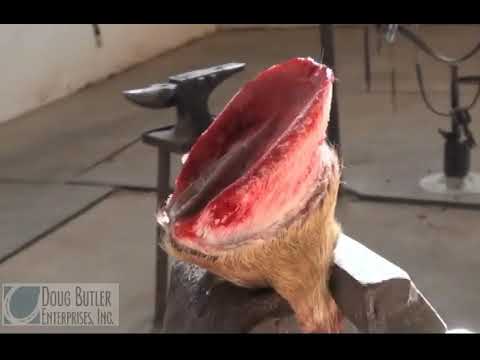
You know what’s funny? Horses can actually be pretty picky about their feet. Yeah, it’s a thing! Imagine strutting around on your tippy toes all day, and then someone tells you to wear shoes that don’t fit. Ouch, right?
The hooves of a horse are like their foundation. If they’re not in top shape, everything can fall apart—literally! So let’s chat about what’s going on down there.
I mean, have you ever looked at a hoof and thought, “What the heck is all that?” There’s so much more than meets the eye. From the hard outer shell to the soft tissues inside, every little part plays a role in keeping our four-legged friends happy and healthy.
So come on; let’s jump into the fascinating world of horse hoof anatomy together! You’ll see how understanding these structures is kinda crucial for keeping your equine buddy in tip-top shape.
Understanding Horse Hoof Anatomy: A Comprehensive Model for Equine Science Education
You know, when you think about horses, their hooves don’t usually get all the attention they deserve. It’s kind of wild because hooves are super important for their health and performance. So, let’s check out the anatomy of horse hooves a bit closer, and see what makes them tick.
First off, the horse’s hoof is more than just a tough outer shell. It’s like a mini ecosystem all on its own! The hoof is made up of several parts that work together to support the horse’s weight and absorb shock when they trot or gallop.
The outer layer is called the hoof wall. It’s pretty sturdy and protects everything inside. This wall grows continuously, so just like your nails or hair, it needs regular trimming. You might have seen horses getting their hooves trimmed by a farrier—that’s crucial for keeping them in good shape!
Now let’s talk about the frog. This part might look like a squishy “V” shape in the middle of the hoof. And honestly? It’s not just there for show! The frog acts like a natural shock absorber and helps with circulation as well. When a horse walks or runs, this area compresses and expands, pumping blood back up through their legs.
Then there’s the sole, which is basically the bottom of the hoof. It has a much different texture than the wall—thinner and softer in most horses. A healthy sole needs to be strong enough to protect internal structures but still flexible enough to adapt to different surfaces. Think about walking on rocks without shoes; it would hurt if your soles weren’t tough enough!
Further inside, we find some interesting components called laminae. These are layers that connect the hoof wall to the coffin bone—yeah, that’s actually how it’s named! Here’s where things get serious: if laminae become inflamed or damaged (like during laminitis), it can lead to pain and lameness. And trust me; that’s something no horse should have to deal with.
Finally, let’s not skip over the digital cushion, which sits above those laminae. It acts as sort of a pillow underfoot—absorbent and supportive! This cushion helps keep everything aligned when our equine buddies are doing what they love best: moving around.
To wrap this up nicely (even though I could go on forever about these beautiful creatures), understanding horse hoof anatomy isn’t just fascinating; it’s essential for ensuring their well-being too. Paying attention to each part helps you catch potential health issues before they get serious—and nobody wants that!
So remember: next time you watch horses galloping across fields or jumping obstacles, give some thought to those amazing hooves working hard underneath!
Exploring Horse Hoof Anatomy: A Scientific Approach to Equine Health and Well-Being
Horse hooves are pretty amazing. They’re like the feet of a horse, but so much more complex! Every time you see a horse galloping across a field, think about those hooves. They carry the entire weight of the horse, and they’re super important for its overall health and well-being.
So, let’s break down the anatomy of these fascinating structures. The hoof has several key parts that work together like a finely tuned machine. Here are some important components:
- The Wall: This is the hard outer layer of the hoof. It’s made up of tough material called keratin, which is also in your hair and nails! The wall provides protection and gives support.
- The Sole: This is the bottom part of the hoof that touches the ground. It’s more concave than flat and helps protect sensitive inner structures.
- The Frog: Ah, this one’s interesting! The frog is that V-shaped structure in the middle of the sole. It acts like a shock absorber when the horse steps down, which is super crucial during running.
- The Digital Cushion: Located just above the frog, this cushion helps to absorb impact as well. You can think of it as a little sponge that squishes down when weight is applied.
- The Laminae: These are layers inside the hoof that connect the hoof wall to the bone inside it. If you ever hear about laminitis (a painful condition), it’s related to problems with these layers.
Now, you might wonder why all this matters for equine health and well-being. Well, imagine if you had uncomfortable shoes on all day long—sounds miserable, right? Horses are no different! Their hooves need regular care and attention.
Regular hoof care includes things like trimming and cleaning to prevent issues such as cracks or infections. You see, horses can run around on rough terrain all day long without problems if their hooves are healthy. But neglecting them? That could lead to serious pain or lameness.
Let me tell you a quick story that really drove this point home for me. I once met a lovely mare named Bella at a farm. She was gentle and friendly but had some trouble walking because her hooves weren’t properly cared for by her previous owner. After just a few weeks of regular trimming and good nutrition specifically targeting hoof health, she was trotting around happily again! It was such a heartwarming transformation.
In terms of diet for maintaining healthy hooves, things like biotin-rich foods or supplements can really help improve hoof quality.
To sum it up: Horse hooves aren’t just feet; they’re complex structures essential for every step your equine friend takes! Understanding their anatomy gives us better insight into keeping them healthy—making both horses and their owners happy!
Comprehensive Overview of Horse Hoof and Leg Anatomy in Equine Science
It’s pretty amazing how much goes into the anatomy of a horse’s hoof and legs. These structures are not just there for looks; they play a massive role in the horse’s overall health and performance. So, let’s get into it!
First things first, the hoof. The hoof is like a strong shield for horses, protecting their sensitive inner structures while allowing them to run and jump with grace. It consists of several parts:
- The Wall: This is the hard outer layer you see when you look at a horse’s hoof. It’s made of keratin, kind of like your nails! The wall provides support.
- The Sole: This is the bottom part of the hoof that helps protect sensitive tissues inside. It’s pretty concave and might feel like hard skin to the touch.
- Frog: The frog is that V-shaped structure in the middle of the sole. It acts like a shock absorber, helping with traction and blood circulation within the hoof.
- The Digital Cushion: Located above the frog, this elastic tissue helps distribute weight and absorb shock when your horse moves around.
I remember once watching my friend’s horse come back from an event with muddy hooves. She gave him a good clean-up afterward, highlighting just how crucial maintaining hoof health is. If hooves crack or get infections, it can affect everything from their mood to their ability to work.
Now onto leg anatomy! Horse legs are super fascinating because they have evolved for speed and efficiency.
- Radius and Ulna: These bones make up part of their front legs—think of them as your arm’s forearm bones. They help with movement but are fused together in horses, making them more stable.
- Fetlock Joint: This joint connects the lower leg (cannon bone) to what we call the pastern bones—it’s kind of like your ankle joint!
- Cannon Bone: This is a key bone that’s very strong and bears most of the weight when horses run or trot.
And don’t forget about tendons! They connect muscle to bone, allowing movement and flexibility.
This whole system—hooves and legs—works together to create that beautiful fluidity we see when horses run free or navigate tricky terrains in shows or races. When one part isn’t quite right, it can throw everything off balance.
Being aware of all these components can help you keep an eye on any changes in your horse’s behavior or movement patterns. If something seems off—like limping or hesitating before jumping—it could signal an underlying issue related to their hooves or legs.
So next time you watch those magnificent creatures strut their stuff, remember all those intricate little details working behind the scenes! Isn’t it nice knowing how well-designed they are?
You know, when you think about horses, it’s easy to get lost in their beauty and grace. But seriously, there’s so much more going on beneath the surface. Take their hooves, for example. They’re not just hard things you see from afar; they’re actually like a whole science project! It’s wild to think about how essential hoof anatomy is to a horse’s overall health.
Let’s break it down a bit. The horse hoof can be divided into different parts: the outer wall, the sole, and the frog, which is that squishy bit in the middle that looks like a little triangle. Each part has its own role. The outer wall acts like armor, protecting everything inside, while the sole helps keep foreign objects from getting in there. And that frog? It plays a crucial role in shock absorption and circulation—kind of like your foot’s built-in cushion!
I remember watching my friend Jess care for her horse, Bella. One day, Bella stepped on something sharp while out in the field. I could see Jess panic for a moment as she checked Bella’s hoof. That incident made me realize just how vital these structures are for horses—not only do they bear weight as each leg strides forward but they also help them stay balanced during those wild sprints.
But it doesn’t stop at just knowing what hooves are made of; caring for them is essential too! Regular trimming and proper shoeing are key to maintaining healthy hooves because neglect can lead to serious issues—like lameness or worse! You wouldn’t ignore your own feet if they hurt or if you had an ingrown toenail… right? Well, horses feel the same way!
And here’s something super interesting: horses have this fantastic ability to run on uneven terrain because their hooves adapt over time based on where they live and how they move. It’s like nature equips them with personalized sneakers! But if those hooves aren’t cared for properly? Oof! You can imagine what could go wrong.
So, understanding horse hoof anatomy isn’t just some fancy scientific mumbo jumbo—it really connects back to how you treat these magnificent animals day by day. When we take the time to learn about their bodies and needs, we give them a better shot at happy lives filled with galloping through fields instead of limping around in pain.
Crazy stuff when you think about it all together! And honestly? Those tough little structures beneath our equine friends remind us just how intricate life can be—even if it seems simple at first glance. We owe it to our four-legged pals to keep exploring this world with curiosity and care!