Have you ever stubbed your toe and then thought, “Wow, I really take my legs for granted?” Seriously, it’s like the moment you feel that jolt of pain, you realize how much these guys do for us.
Think about it: we walk, run, jump, and even dance (well, some of us try). Our legs are these amazing structures that let us explore the world.
But hey, have you ever wondered what’s actually going on inside your leg? Like all those bones and muscles working together—it’s kind of mind-blowing!
From the ankle to the knee and up to the hip, there’s so much more than meets the eye. So let’s take a little journey through the anatomy of your leg. Trust me; it’ll be a wild ride!
Understanding the Scientific Terminology for Legs: A Comprehensive Exploration in Human Anatomy
So, when you think about legs, it’s easy to just picture them as, well, legs! But there’s actually a whole lot going on under the surface. Let’s break it down.
The Basics of Human Legs
Your legs are essential for standing, walking, running, and all that good stuff. They consist of various parts that work together seamlessly. The main components include the thigh, lower leg, and foot. Each section has its own unique features and functions.
The Thigh
This is the upper part of your leg. The biggest bone here is the femur, which is not only the longest bone in your body but also super strong! The thigh muscles—like the quadriceps in front and hamstrings at the back—help you move your leg in different directions.
The Lower Leg
Moving down from the thigh, we enter the lower leg region. Here we find two main bones: the tibia, which is often called the shinbone (it’s bigger and bears most of your weight), and the fibula, a thinner bone running alongside it. This setup gives your leg strength while allowing flexibility.
The Foot
And then there’s the foot! It comprises multiple bones too—like those little tarsals and metatarsals—which work together to provide support when you walk or run. Plus, let’s not forget about those adorable toes! They help with balance.
Muscles and Movement
Muscles are basically your body’s movers. In your legs, they pull on bones to create motion. Ever tried jumping? That’s all thanks to powerful muscles like the gastrocnemius in your calf or those quads we mentioned earlier.
Nerve Connections
Here’s where it gets a bit more intricate—nerves! Your legs have an extensive network of nerves that send messages from your brain to control movement and feel sensations. So when you stub your toe? Ouch! That message travels super fast!
Bones and Joints at Play
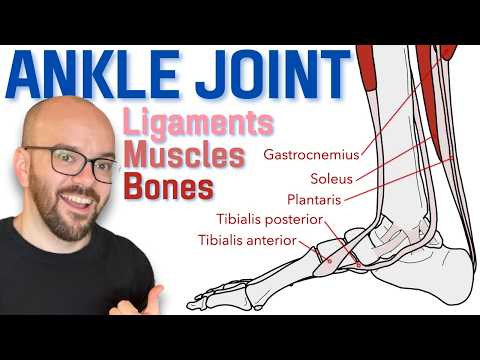
Let’s chat about joints for a second because they’re crucial for movement too. Your knees (a joint between femur and tibia) let you bend or straighten out easily. And don’t forget about the ankle joint—it allows for all that rocking motion while walking or running!
In summary, understanding human anatomy isn’t just about memorizing terms; it’s really about appreciating how everything works together like a team in harmony. Think about how often you underappreciate those legs until you trip over something or get tired after a long day on them!
You know, I remember when I was younger—I played soccer every weekend without thinking twice about my legs’ anatomy until one day I sprained my ankle during a game. That’s when I started paying attention to how crucial these structures are for movement altogether!
So next time you’re outside moving around, take a moment to appreciate all that goes into making those movements happen: bones, muscles, nerves—you name it! It’s pretty amazing stuff if you think about it.
Understanding the Most Commonly Fractured Bone in the Leg: Insights from Medical Science
So, you know the leg is made up of several bones, right? But when we talk about fractures, one bone stands out above the rest—the tibia. This is the big guy in your lower leg, and it’s super important for movement and bearing weight.
Now, let’s break it down a bit. The tibia is sometimes called the shinbone. It runs from your knee to your ankle and connects with the femur at the top and the fibula, which is a thinner bone that runs alongside it.
Why are fractures so common in this area? Well, there are a couple of reasons for that:
Think back to when you were a kid. Maybe you ran into something or fell while playing outside. Those kinds of accidents can lead to tibia fractures. I remember once running for ice cream—super excited! But then I tripped over my own feet and went down hard. That little mishap wasn’t fun; I ended up with some bruises but thankfully no fractures.
When it comes to tibial fractures, they can vary quite a bit:
Healing from these fractures can take time. Doctors usually recommend rest and immobilization—think crutches or maybe a cast—to give your bone time to heal properly. Depending on how serious it is, surgery might even be necessary.
Did you know that there’s also something called a “stress fracture”? It’s more like an overuse injury rather than a sudden break. You might get this if you’ve been running too much without proper rest—or if you’re wearing non-supportive shoes while doing high-impact activities.
On top of all this, nutrition plays an essential role in healing bones too! Getting enough calcium and vitamin D—like what’s found in milk or fish—is vital for recovery.
In recent years, researchers have been looking at how different factors can affect healing times for tibial fractures—including age and overall health status—as well as new treatment methods that might speed up recovery.
So yeah, keeping all this in mind helps us understand why taking care of our legs is super important! The next time you’re playing sports or just goofing around outside—remember to stay cautious so you can keep those tibias intact!
Understanding the Impact of Aging on Leg Anatomy: A Scientific Exploration
Aging is a natural process that affects all parts of our body, and the legs are no exception. As you get older, your leg anatomy undergoes various changes, impacting both structure and function. Let’s break it down a bit.
Muscle Loss: One major change that happens as you age is muscle loss, known scientifically as sarcopenia. You might notice that your legs feel weaker or tire more easily. This occurs because we lose muscle fibers over time, especially the fast-twitch fibers that help with quick movements. This can make activities like running or jumping much harder.
Bone Density: Another aspect to consider is bone density. Aging often leads to a decrease in bone density, making bones more fragile. This can increase the risk of fractures. For example, older adults might find themselves more prone to breaking a hip after a fall because their bones aren’t as strong as they once were.
Joint Changes: Joints in your legs also go through some pretty significant changes over time. The cartilage that cushions joints can wear down due to arthritis or just general aging. This might cause stiffness and pain, making it hard to climb stairs or even walk long distances without discomfort.
Circulation Issues: As you get older, blood circulation can be affected too. Varicose veins—a common issue among older folks—can form when blood vessels weaken and stretch. This doesn’t just look unsightly; it can lead to swelling and discomfort in the legs.
So when someone says aging impacts leg anatomy, they’re not kidding! Each of these factors interconnects—muscle loss affects how well you balance, which in turn makes falls more likely, leading to potential injuries and recovery challenges later on.
And here’s something interesting: incorporating regular exercise into your routine can really help combat many of these changes! Strength training can build muscle back up, while activities like walking improve circulation and maintain joint health.
In summary:
- Muscle loss affects strength.
- Bone density decreases leading to fragile bones.
- Joints may wear down causing pain.
- Circulation issues arise like varicose veins.
Aging brings its challenges for our legs, but understanding these changes helps us tackle them with knowledge and action! So keep moving and stay active; your future self will thank you for it!
Well, legs are pretty fascinating, if you think about it. I mean, we use them every single day, but how much do we actually know about the anatomy of our legs? Like, seriously.
You’ve got your bones, muscles, tendons, and blood vessels all working together like a well-oiled machine. The femur is the big boss here—it’s the longest bone in your body and is sometimes called the thigh bone. It’s strong enough to handle a lot of pressure but also light enough to allow for movement. Kind of like that friend who carries everyone’s groceries but doesn’t complain about it at all.
Then there are these amazing muscles: quadriceps in front and hamstrings at the back. They pull and push in harmony when you run or kick a ball or just walk around at your local park. Those tiny muscle fibers are what allow us to sprint after that ice cream truck or dance at a wedding without collapsing into a heap afterward!
And let’s not forget about tendons. They’re basically the strong connectors between our muscles and bones. Think of them as those super-glue friendship bracelets that keep everything bonded together during all your epic adventures—like that time you tried to jump over a puddle and ended up splashing more than you intended!
What’s really cool is how blood vessels circulate oxygen-rich blood while also removing waste products. This whole vascular system means your legs get everything they need to perform well while also healing from those inevitable bumps and bruises you get from tripping over random things (don’t pretend like you haven’t done that!).
But here’s something that always hits me: consider how all this complexity can come together effortlessly when we walk or just stand up! It’s almost poetic in its design. Sometimes I think back on those days when I became so aware of my legs while training for my first half-marathon—it was tough! Each mile was both exhausting and exhilarating as every muscle played its part.
So next time you take a step or even just wiggle your toes, remember there’s this incredible world of anatomy quietly working underneath it all—muscles contracting, bones supporting, tendons pulling—and that’s kind of beautiful in its own way. Makes you appreciate what you’ve got going on down there, doesn’t it?