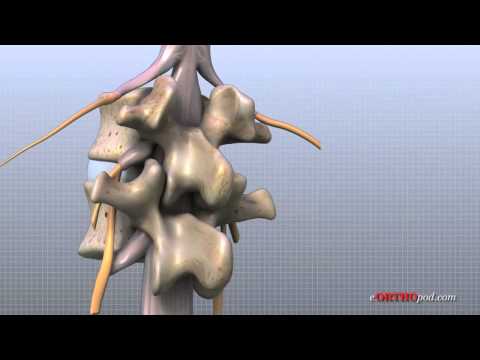
You know that moment when you bend down to pick up a sock, and suddenly, your back gives you a little melody of discomfort? Yeah, I’ve been there! It’s like your spine is reminding you, “Hey, buddy, maybe we should stretch more often!”
The low back is one of those parts of our body that does so much heavy lifting—literally! But we often take it for granted until something goes wrong. Think about it: every time you sit, stand, or twist around to grab that last slice of pizza, your lower back is doing its thing.
So let’s take a peek at this unsung hero. I promise it’s not all just bones and muscles; there are some wild stories that your spine could tell if it could talk! Ready to explore?
Advanced Approaches to Lumbar Spine Treatment: Innovations in Pain Management and Rehabilitation
So, let’s talk about the lumbar spine. You know, that part of your back that sometimes feels like it’s been through a wrestling match? Yeah, it’s pretty crucial. The lumbar spine is made up of five vertebrae, L1 to L5, and it supports your upper body while allowing movement. Pain in this area can be a real game-changer in life.
When it comes to treating lumbar spine pain, there are some really exciting advanced approaches. Traditional methods have worked for years, but the newer techniques are helping people feel better faster and more effectively.
- Interventional Procedures: These include things like epidural injections or nerve blocks. They basically deliver anti-inflammatory medications directly to the site of pain. Imagine targeting your pain instead of just hoping an oral medication does the trick!
- Physical Therapy Innovations: It’s not all about medicine; physical therapy has evolved too! New technologies, like virtual reality (VR), are being used to motivate patients. Picture yourself engaging in a fun VR game while doing exercises—you’re distracted from the pain while strengthening your back!
- Regenerative Medicine: This is one of those sci-fi-sounding things that actually exists now! Techniques like stem cell therapy aim to help regenerate damaged tissues in your spine. Think of stem cells as tiny repair workers who can help fix what’s broken.
- Surgical Techniques: If surgical options are necessary, surgeons are now using minimally invasive techniques that mean smaller cuts and quicker recovery! Instead of long hospital stays, you might be back on your feet (carefully) sooner than you think!
You know what’s really cool? These advanced treatments also focus on rehabilitation. It’s not just about getting rid of pain—it’s about restoring function and preventing future issues. For instance, personalized rehabilitation programs consider someone’s unique anatomy and lifestyle. They’re like custom-tailored suits for your back!
An interesting point is how technology plays a role here too. Wearable devices keep track of your movements and remind you to stretch or stand up, which helps maintain good spinal health throughout the day. It’s like having a little coach with you all the time.
The emotional side can’t be overlooked either! I remember when my friend was struggling with chronic back pain. She felt stuck—like her life was on hold because she couldn’t enjoy her favorite activities anymore. But once she found a treatment plan that included some innovative therapies, her world opened back up again! Seeing her smile when she could finally play with her kids without wincing was everything.
No two cases are alike when it comes to lumbar spine treatment; that’s why these innovative advances matter so much! The world is evolving in pain management and rehabilitation for our backs—and that’s definitely something worth celebrating!
Annotated Lumbar Spine Anatomy: A Numerical Guide for Scientific Reference
Sure thing! The lumbar spine, or the lower back, is super important and pretty fascinating if you take a moment to think about it. Let’s break down the anatomy in a straightforward way.
The Basics of the Lumbar Spine
The lumbar spine is made up of five vertebrae, known as L1 through L5. These vertebrae are larger than those in the neck and thoracic area because they bear more weight. They help support your upper body and allow for various movements like bending and twisting.
Vertebral Anatomy
Each vertebra has several key parts:
- Body: This is the thick, disc-shaped front part that bears weight.
- Spinous Process: A bony projection at the back that you can feel along your spine.
- Transverse Processes: These stick out to the sides and serve as attachment points for muscles and ligaments.
- Pedicles: Short bony connectors between the body and processes; they help form a protective arch around your spinal cord.
- Lamina: These connect the spinous process to the transverse processes; they complete the protective ring around your spine.
So, imagine these parts working together like puzzle pieces to protect your spinal cord while allowing for movement. Pretty cool, right?
The Discs
Between each pair of vertebrae are intervertebral discs. These discs are like shock absorbers made of a gel-like center surrounded by tough cartilage. They help with flexibility too! Think about it: when you bend over to tie your shoes or twist to grab something from behind, those discs help prevent damage.
Nerve Roots
Emerging from each lumbar vertebra are nerve roots that branch out into your legs. When you might experience pain shooting down your leg? That could be due to pressure on one of these nerves—like when someone accidentally steps on your foot! It’s all connected!
Muscles and Ligaments
Surrounding this whole setup are muscles that help support everything:
- Erector Spinae: The main muscles running along your spine; great for posture!
- Multifidus: These small muscles provide stability during movement.
- Psoas Major: This muscle helps with hip flexion; it connects from your lower spine to your femur (thigh bone).
Ligaments also keep everything together:
- Annuus Fibrosus: The outer layer of intervertebral discs, holding them intact.
- Anterior Longitudinal Ligament: Runs along the front of your vertebrae for added support against hyperextension.
Everything works in harmony! If one piece isn’t functioning well, it can throw things off balance.
Anecdote Time!
A couple years ago, my buddy Jack thought lifting weights was just about being strong—until he threw out his back trying to lift too much without proper form. He learned really quickly how crucial understanding his lumbar spine was! It was kind of a wake-up call about how important our backs are in daily life.
In summary, understanding lumbar spine anatomy gives you insight into everyday movements and helps prevent injuries. You know? You don’t wanna end up like Jack—so take care of that back!
Understanding Lumbar Spine Pain: Insights and Advances in Scientific Research
Understanding lumbar spine pain is something many of us can relate to. You know that feeling when you bend over to pick something up, and suddenly there’s a sharp twinge in your lower back? Ouch! It’s a familiar experience for countless people, and it’s not just something that happens as we age. So, let’s break down what’s going on in that area and what science has to say about it.
The lumbar spine, often referred to as the lower back, consists of five vertebrae labeled L1 to L5. These bones are stacked on top of each other and held together by ligaments. Between each vertebra, there are discs—think of them as little shock absorbers—that help you move around with ease. When everything’s working like it should, you can get through the day without thinking much about your back at all.
But here’s the kicker: lumbar spine pain can come from various issues, such as herniated discs, muscle strain, or even bad posture. Have you ever sat slouched on your couch for hours? Yeah, that’s not helping your back either!
When we look closer at the anatomy of the lumbar spine, we see some fascinating details. The spinal canal runs down the center of your spine and houses your spinal cord—a vital part of your nervous system. If anything intrudes into that space—like a bulging disc—it could cause significant pain or numbness in other areas too. Isn’t it wild how interconnected everything is?
Now let’s talk about some common causes of lumbar spine pain:
And here’s where science steps in: recent research is making strides in understanding these issues better. For example, studies have shown how specific exercises can alleviate pain by strengthening core muscles supporting your lower back.
Another interesting angle? Chronic pain has been linked not just to physical issues but also psychological factors like stress and anxiety. Make sense? Sometimes our mental state can amplify physical discomfort.
You might also find it surprising how important movement is for recovery! Gentle stretching or walking helps keep blood flowing to those muscles and encourages healing.
So let’s wrap this up: if you’re experiencing persistent low back pain, don’t ignore it! Paying attention to posture and getting regular exercise can work wonders. And if things don’t improve? It might be worth chatting with a healthcare professional who specializes in this area.
Remember: Your lumbar spine is crucial for movement and stability. Understanding its structure helps make sense of why you feel pain there sometimes—and knowing this stuff empowers you to take charge of your health!
You know, the human low back is a pretty remarkable piece of work. I mean, think about it: it’s like the unsung hero of our bodies, holding us up and helping us move. If you’ve ever had back pain, you know just how much you depend on this part of yourself. It can be frustrating, to say the least! I remember when I pulled my back lifting something that was just way too heavy for me. That sharp pain reminded me how easily we can take our bodies for granted.
The low back, or lumbar region as it’s fancy called, has five vertebrae—numbered L1 to L5. These little guys are stacked up like building blocks and work together with muscles and ligaments to provide stability and support. And they do so while also letting us twist and bend at the same time! That’s some serious multitasking if you ask me.
Each vertebra has its own role, acting almost like a cushion thanks to intervertebral discs that sit between them. You could think of them like tiny shock absorbers, softening the impact when we jump or run or even just walk around. But here’s the thing: these discs can wear down over time—kind of like your favorite pair of shoes getting a bit too worn out.
Muscles in this area are super important too! They help stabilize your spine and allow movement. You’ve got all these layers working together; there are big muscles on the outside that you can see and smaller ones supporting everything from within. If one part gets outta whack—like if you spend too much time sitting hunched over at your desk—it can throw everything else off balance.
Ligaments are the tough cords that hold everything together in this delicate dance. If they get stretched out or injured, it could lead to discomfort or even chronic pain. And let’s not even start on nerves! The sciatic nerve is a big deal; when things go wrong with the low back, that nerve can take a real hit. Ouch!
So yeah, understanding how our low backs work can really shine a light on why we feel pain sometimes—and maybe why we should be more mindful about how we treat our bodies. It’s easy to forget about all those little details until something goes wrong.
In everyday life, keeping your low back healthy involves movement and stretching—simple stuff! You don’t need a gym membership for that; just some awareness and commitment go a long way.
At the end of day, next time your back feels stiff or gives you trouble after sitting too long or lifting something awkwardly? Just remember: it’s doing its best to keep up with all your adventures! Give it some love now and then; after all, it’s got your back!