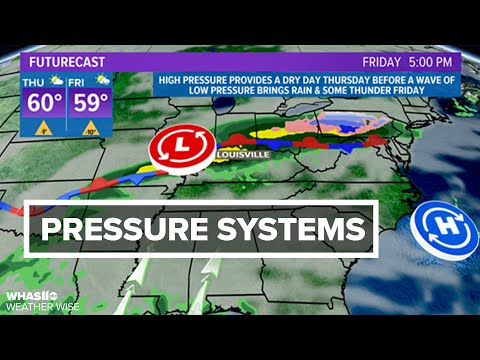
So, here’s a fun fact: Did you know that low pressure areas can actually make your head feel fuzzy? Yup! You might have felt it on a weird, cloudy day when the air just feels… off.
You see, these low pressure zones are like friendly giants in the sky. They pull in all sorts of moisture and wind, stirring things up. And when they roll into town, weather gets a little wild.
I remember once getting caught in a downpour out of nowhere. One minute it was sunny; the next, I was soaked faster than you could say “umbrella.” That’s low pressure for ya!
Anyway, let’s chat about what really goes on with these mysterious weather-makers and how they can shake up our daily lives. It’s pretty cool stuff!
Understanding the Scientific Impact of Low Pressure Areas on Weather Patterns and Climate
When we talk about weather, low pressure areas are like the popular kid in school: they tend to steal the spotlight! And why’s that? Well, they play a huge role in shaping weather patterns and even impacting our climate.
First off, what exactly is a low pressure area? Imagine you have a balloon. When you blow air into it and then let it go, that balloon wants to escape to where the air pressure is lower. Low pressure areas do something similar. Basically, they form when warm air rises, creating a vacuum that pulls in cooler air from the surroundings. So, this results in less atmospheric pressure compared to the areas around them.
Now, this isn’t just some boring science mumbo jumbo! These low pressure zones are responsible for bringing clouds and precipitation. Think of it like this: when warm air rises, it cools down as it reaches higher altitudes. Cool air can’t hold moisture as well as warm air can, so all that water vapor condenses, forming clouds and eventually leading to rain or snow.
Here are some key points about low pressure areas:
- Storms! Low pressure systems often give birth to storms. Cyclones and hurricanes thrive in these conditions—they love that rising warm air!
- Temperature changes. Because these systems can pull in cooler air from surrounding regions, you might notice sudden drops in temperature when a low-pressure system rolls through.
- Wind patterns. Winds naturally flow from high-pressure areas to low-pressure ones. So when you’ve got a big ol’ low-pressure zone nearby, expect gusty winds as the atmosphere tries to balance things out.
You might be thinking: “Alright, but why should I care?” Well, here’s where it gets interesting! Changes in weather due to these low-pressure systems can affect entire ecosystems and even agriculture. For example, farmers rely on predictable weather patterns for planting their crops. If a low-pressure area hits unexpectedly with heavy rains or strong winds? That could ruin harvests and lead to significant economic impacts.
I remember one summer when my hometown faced an unexpected downpour because of a sudden low-pressure system moving through. The streets turned into rivers overnight! It was kind of chaotic but also fascinating watching nature’s fury at work. Rainwater was everywhere; kids were splashing around while adults were frantically trying to save their gardens!
If we zoom out even further, we see how these systems interact with broader climate trends over time. Science has found connections between more frequent extreme weather events—think heatwaves or heavy rainfall—and how our planet warms up due to human activities. Low pressure areas can become more intense with changing climate conditions too!
The bottom line? Low pressure areas are not just cool meteorological phenomena; they’re essential players affecting local weather and broader climatic shifts! Understanding them helps us prepare better for what Mother Nature throws our way—be it storms or unexpected sunny days.
Your daily weather forecast? Yeah, it’s all part of this intricate dance between high and low pressures—and knowing more about them keeps us all one step ahead!
The Science of Low-Pressure Areas: Understanding Their Formation and Impact on Weather Patterns
Low-pressure areas are like the stage where all the weather drama unfolds. When we’re talking about these zones, we’re diving into some pretty cool science. So, what’s the deal with low pressure?
Basically, a low-pressure area forms when air at the surface is heated and rises. When air rises, it creates a sort of vacuum below it. Imagine blowing up a balloon and then letting it go—what happens? The air rushes in to fill that space! That’s similar to what goes on here.
As this warm air rises, it cools down and can hold less moisture, which leads to clouds forming and potentially even precipitation. Yeah, those gray skies and rainy days often come from low-pressure systems swirling around!
- Formation: Low-pressure systems develop when warm air leaves an area and cooler air moves in. Think of a pop-up party—when some friends leave, more people show up to fill the void.
- Impact: They can lead to stormy weather, including thunderstorms or hurricanes if conditions are just right.
- Your Experience: Next time you feel that sudden drop in temperature before it rains, that’s likely low pressure making its entrance!
The impact of these systems extends beyond just rain or wind. They play a key role in shaping global weather patterns. For instance, areas near the equator experience consistent low pressure called the Intertropical Convergence Zone (ITCZ), which is where trade winds meet. It’s like nature’s version of a busy crossroads! This zone influences rainfall patterns across the tropics.
A personal anecdote here: I remember once traveling during hurricane season. There was this big low-pressure system forming off the coast—and boy did we notice it! The winds picked up dramatically, and even before any rain fell, you could almost feel nature getting ready for something big.
The thing is with low-pressure systems: they’re not lone wolves! They often interact with high-pressure areas too—where air sinks instead of rising. This tug-of-war between highs and lows creates various weather phenomena that affect our daily lives.
- Cyclones: These intense low-pressure systems can lead to tropical cyclones or hurricanes as they gather energy from warm ocean waters.
- The Jet Stream: Low pressures also influence jet streams—those fast winds high in our atmosphere that zigzag across the globe.
Kinda fascinating how much power these seemingly invisible forces have over us! From stormy nights at home to ensuring farmers know when to plant their crops—understanding low-pressure areas helps us prepare for what weather might be coming next.
You see? Every time you check your weather app or look out your window and wonder why it’s cloudy one day and sunny the next—it often boils down to these incredible dynamics of low pressure at work!
Understanding the Differences Between Low Pressure and High Pressure in Scientific Contexts
So, let’s talk about low pressure and high pressure. When you hear those terms, they might just sound like weather jargon. But diving into the science behind them reveals some pretty cool stuff.
First off, **what’s the deal with pressure?** Well, it’s all about how much air molecules are pushing down on a given area. Imagine a stack of books on a table; the more books you pile up, the heavier that weight feels on the table beneath. That’s kind of how atmospheric pressure works.
High Pressure Areas form when air is cool and sinks down. It’s like when you put a lid on a pot of boiling water—steam builds up, but then it can’t escape if it’s sealed tight, creating high pressure inside. In these zones:
- Weather tends to be clearer.
- There are fewer clouds because the sinking air prevents moisture from condensing into raindrops.
- This can lead to sunny days and dry conditions.
Now think about that time you stepped outside after a storm; maybe you noticed how refreshing and crisp the air felt? That’s because, before that nice weather hit, there was likely a **low pressure area** nearby!
In contrast, Low Pressure Areas occur when warm air rises. Picture yourself blowing up a balloon; as you blow air inside (warm air), it rises and expands because it’s lighter than the ambient air around it.
- These areas often bring clouds and precipitation.
- The rising warm air cools down as it goes higher in the atmosphere—this cooling leads to condensation and eventually rain.
- You might get storms or even hurricanes when those low-pressure systems get strong enough!
Remember that feeling of anticipation before rain starts? Yeah! That’s the influence of low pressure kicking in.
But here’s where it gets even cooler: the difference between these two types of pressure can drive wind! Think about blowing across your palm; that’s basically wind being created from high-pressure areas moving toward low-pressure ones as nature tries to balance things out. So when there’s a significant difference in pressure between two places, expect some gusty winds!
And this doesn’t just affect our day-to-day weather. It also plays into larger climate patterns worldwide! Like El Niño or La Niña phenomena—they have their roots in shifts within these atmospheric pressures.
So next time you’re outside and see clear skies—or maybe some ominous clouds—just know there’s all this fascinating stuff happening above your head! It’s nature’s way of balancing itself out, driven by those differences in atmospheric pressures working their magic up there in the sky. Cool stuff, right?
You know, if you’ve ever been outside on a stormy day and felt that heavy, almost electric air, you’re experiencing the effects of low pressure areas. It’s kind of like when you open a soda can, and all that pressure suddenly rushes out. Low pressure areas in the atmosphere work in a similar way but on a much larger scale.
So here’s the deal: low pressure forms when warm air rises. When it does this, it leaves behind a space with less air pressure. Think about it like this: imagine trying to fill a balloon with hot air; as the air expands and rises outside the balloon, there’s less inside it than before! In weather terms, that rising warm air creates clouds and storms as moisture condenses and builds up.
I remember one summer afternoon, I was hanging out with friends at the park when suddenly the skies darkened. The temperature dropped and you could feel that unmistakable chill in the air. Within minutes, we were caught in an intense downpour! That unexpected storm was caused by a low pressure system moving into our area. Everything changed so quickly; from sunny skies to rain-soaked chaos. It’s pretty wild how just one change in atmospheric pressure can shift everything.
But it’s not just about rain; low pressure systems can lead to all kinds of weather events. They can bring strong winds—think hurricanes or tornadoes—and sometimes even snowstorms if the conditions are right! It’s like nature’s way of shaking things up every now and then.
On top of all that, these systems also affect us beyond just weather patterns. They can influence our mood too! Some people find themselves feeling down or sluggish when a storm is brewing—it’s like our bodies tune into those changes in atmospheric energy.
So really, low pressure areas aren’t just meteorological phenomena; they’re part of this vast web connecting us to nature’s rhythms. Next time you feel that shift before a storm or watch clouds rolling in dramatically, take a moment to appreciate how connected we are to these sweeping forces of nature!