You know that moment when you’re just about to show off your best dance moves at a party, and then—bam!—you pull a hamstring? Ouch! It can feel like your body’s turning against you. Seriously, what’s going on down there?
The hamstring is like that unsung hero of your leg. You don’t really think about it until it reminds you, well, with a painful reminder. It’s not just about pulling muscles; it’s all about movement—and trust me, these muscles are doing some heavy lifting.
So what’s the deal with the hamstrings? They’re not just there for the occasional stretch or to help you put on your shoes. They’ve got structure and function packed into their fibers, and they play a crucial role in how we move every single day.
Let’s take a closer look at what makes these muscles so important in our daily lives and why they deserve more love than we give them. You might just find yourself appreciating those legs a bit more!
Exploring Hamstring Anatomy and Function: A Scientific Perspective
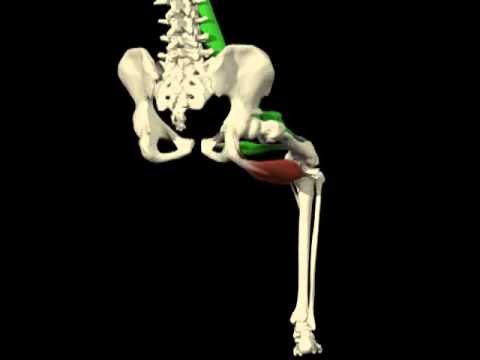
The hamstrings are a fascinating group of muscles located at the back of your thigh. They play a crucial role in movement, especially when it comes to walking, running, and jumping. You know when you try to kick a ball and your leg zips back? That’s thanks to your hamstrings doing their magic.
So, what’s happening there? The hamstrings actually consist of three main muscles: the *biceps femoris*, the *semitendinosus*, and the *semimembranosus*. Together, they span from your hip down to your knee. Think of them as the ropes that keep your leg moving smoothly.
Functionally, these muscles are super important. They help in bending your knee and extending your hip joint. Imagine you’re sprinting; as one leg moves forward, the hamstring on that side contracts to pull it back quickly. It’s almost like a rubber band snapping back into place! What happens if these muscles aren’t working well? You might feel tightness or even pain—like when you stretch too far out after sitting for too long.
Now let’s break it down further:
- Biceps Femoris: This muscle has two parts—long head and short head. The long one is more involved in hip extension while both help with knee flexion.
- Semitendinosus: This muscle is pretty cool because it helps stabilize your knee as well as flex it.
- Semimembranosus: It’s deep under the other hamstrings and plays a key role in internal rotation of the knee.
It’s interesting how these muscles work together but can also get into trouble separately. You might have heard about athletes pulling their hamstrings during games—ouch! That often happens because they’re really firing up those muscles without proper warm-ups or if they overexert themselves.
In terms of anatomy, these muscles originate from something called the *ischial tuberosity* (fancy term for those bony bumps on your pelvis) and insert into parts of your tibia and fibula bones near the knee. This setup allows them to perform their functions efficiently while supporting big movements.
Understanding how hamstrings work can also shed light on injuries that occur in that area. Hamstring strains often happen during explosive activities or sudden stops, leading to tears in these fibers—yikes! Recovery usually involves rest, gentle stretching, and strengthening exercises to get everything back on track.
So next time you kick a ball or take off running, remember: those little ropes at the back of your thighs are working hard so you can move freely! Isn’t human anatomy amazing?
The Role of Hamstrings in Gait Mechanics: Understanding Their Function During Walking
So, let’s chat about your hamstrings and their role when you walk. These muscles are super important, not just for running or kicking a soccer ball, but they play a big role in your everyday gait mechanics. Seriously!
First off, what are the **hamstrings**? Well, they’re actually a group of three muscles located at the back of your thigh: the **biceps femoris**, **semitendinosus**, and **semimembranosus**. They start from your pelvis and run down to your knee. So, they’re kinda like the bridge between these two joints.
Now, every time you take a step, these hamstring muscles help control movement in several ways:
- Flexing the knee: When you’re walking, as one leg swings forward, your hamstrings get activated to help flex the knee of that leg. This means they shorten and pull the lower leg up towards your body.
- Stabilizing the hip: They also work to stabilize the hip joint while you’re walking. So when one leg is moving forward, those hamstrings hold everything steady back there.
- Controlling speed: Your hamstrings help control how fast or slow you move. If you’re speeding up or slowing down—like when you rush to catch a bus—they make sure everything stays smooth and balanced.
Imagine taking a stroll in the park on a sunny day. You know that feeling—like you could just keep walking for hours? Thank those hamstrings! They’re working behind the scenes to provide proper support without you even realizing it.
But here’s an interesting tidbit: if your hamstrings are weak or tight, it can totally throw off your gait mechanics. You might notice things like limping or pain in other parts of your body because now other muscles might have to compensate more than they should.
How about injuries? If you’ve ever pulled a hamstring while running or dancing (ouch!), then you’ve felt their importance firsthand! Not only does it hurt like crazy, but it also messes with how well you can walk afterwards.
In short: **hamstrings are crucial** for smooth walking motion. They flex your knees and stabilize those big hip joints so every step feels natural and fluid. Next time you’re out for a walk—just remember what’s going on behind the scenes in those thighs!
Exploring the Biomechanics: Effective Movements that Activate Hamstring Muscles
The hamstrings are a group of muscles located at the back of your thigh. There are three main muscles: the biceps femoris, semitendinosus, and semimembranosus. Together, they play a key role in movement. They help you bend your knee, extend your hip, and stabilize your leg during various activities.
When we talk about **biomechanics**, we’re looking at how these muscles work together to create effective movements. Basically, it’s the science of how mechanical laws affect living organisms. For hamstrings, this means understanding how they contract and relax to generate motion.
One major function of the hamstrings is to **assist in running**. When you run, your foot strikes the ground and pushes off again. During this push-off, your hamstrings work hard to bring your leg back and prepare for the next step. Think about sprinters; their speed is largely dependent on strong and coordinated hamstring actions.
Another important movement is **bending forward**, like when you’re picking something up from the ground. Here’s where biomechanics plays a massive role: as you lean down, your hamstrings pull on the pelvis while working with other muscles to keep you balanced. If those guys aren’t doing their job right, you might find yourself toppling over!
Now let’s consider some activities that effectively activate these muscles:
- Deadlifts: This weightlifting move really gets those hamstrings working hard by forcing them to stabilize and move weight as you lift.
- Squats: When done correctly, squats engage not only your quads but also fire up those hamstrings for stability during the movement.
- Leg curls: Using machines or resistance bands can specifically target your hamstrings, giving them an excellent workout.
Keeping these muscles healthy is super important because tight or weak hamstrings can lead to injuries. Ever felt that pulling sensation in the back of your leg? That’s often a sign those muscles need some attention.
It’s also essential to warm up before engaging in heavy activities involving these muscles. Simple movements like leg swings or dynamic stretches help increase blood flow and flexibility. One time I forgot to warm up before soccer practice… let’s just say I was limping off after just ten minutes!
So remember, whether it’s sprinting down a track or picking up groceries, our hamstring biomechanics are always in action! Taking care of them can mean having more powerful movements and fewer injuries down the line.
Alright, let’s chat about hamstrings. You know those muscles that run down the back of your thigh? Yeah, those! They’re a big deal when it comes to movement.
Anatomically speaking, the hamstrings are actually made up of three different muscles: the biceps femoris, semitendinosus, and semimembranosus. Crazy names, right? But all you really need to know is that they work together to help you bend your knee and extend your hip. So whether you’re running, jumping or even just sitting down, they’re doing their thing.
Now, I remember this one time when I was trying to impress a friend on the soccer field. I was feeling all athletic and decided to go for an epic sprint. And boom! One moment I was feeling invincible, and the next thing you know—yep, there went my hamstring. Ouch! It’s funny how something so simple can bring you down like that.
The hamstrings also play a huge role in stabilizing your body during movement—like when you’re walking or climbing stairs. Basically, they help keep everything in balance while you move around. So if those muscles get tight or injured (like mine did), it can totally mess with how you walk or run.
And here’s the kicker: people often forget about them until something goes wrong. Don’t make that mistake! Keeping your hamstrings strong and flexible is super important for overall leg health and athletic performance.
So next time you’re stretching out after a workout or just going for a walk, give those hamstrings some love. Just think about what they do for you every day; it’s pretty impressive!