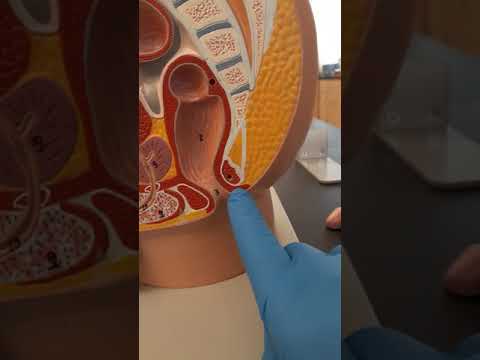
Alright, let’s talk about the rectum. I know what you’re thinking—why would anyone want to chat about that? But seriously, have you ever noticed how often we ignore the stuff down there? It’s like this secret club everyone knows exists but never talks about!
So get this: the rectum is basically the last stop on the train before things take a trip out of the station. Think of it as a squishy little storage unit for all that waste your body’s been working hard to pack up and send away. Crazy, right?
And here’s a fun little twist—some of us might have experienced those awkward moments when nature calls at the most inconvenient times. You know, like during a big meeting or while waiting in line at the store? Yeah, we’ve all been there!
The thing is, understanding how this part of our anatomy works can actually help us appreciate our bodies more—and avoid those “oops” moments, too! So grab your favorite snack and let’s dig into why the rectum is so much more than just a punchline.
Understanding Anus Function: Insights from Anatomy and Physiology
Alright, let’s talk about the anus and rectum, shall we? You might think it’s a bit embarrassing, but understanding how these parts of our body function is super important. They play a key role in digestion and waste elimination. So, let’s break it down.
The anus is the final part of the digestive tract. It’s basically the exit point for everything that comes out after your body has absorbed all the nutrients from food. The thing is, it’s not just a simple hole; it has some cool anatomy going on.
- Sphincters: The anus has two main sphincters—one inside (internal) and one outside (external). These muscles help control when you poop. You can’t just let it all go when you feel like it; these muscles keep everything in check. They’re like bouncers at a club, if you will!
- Rectum: This is a muscular tube that connects to the anus from above. It acts as a storage area for poop until you’re ready to release it. Think of it as your body’s waiting room! When your rectum fills up with stool, stretch receptors get triggered sending signals to your brain that it’s time to find a restroom.
- Functions: Aside from waste disposal, there’s another vital aspect: maintaining body fluid balance. The colon absorbs water from waste material before it’s expelled through the anus, so by having healthy bowel movements, we also help manage our hydration levels.
You know how sometimes you might have trouble going to the bathroom? That’s usually related to how well these structures work together or maybe even how healthy they are overall.
Anecdote time! I once had this friend who didn’t think much about their diet until they started feeling really uncomfortable during bathroom trips—it turns out they hadn’t been eating enough fiber! Fiber helps keep things moving smoothly through your digestive system. Once they adjusted their diet, everything got back on track!
So yeah, while we might giggle about this topic sometimes or even feel squeamish talking about it, understanding anus function, along with its buddy—the rectum—is crucial for keeping our bodies in tip-top shape. And remember: It’s totally normal to have questions about our bodies; that’s how we learn! So if you’ve got more questions or thoughts racing around your head now, just know you’re not alone!
Comprehensive Overview of the Rectal Structure: Anatomy and Function in Human Biology
The rectum is a pretty essential part of your digestive system. It’s the last section of your large intestine, sitting between the sigmoid colon and the anus. You might think of it as a storage site for waste before it’s expelled from your body. Let’s dig deeper, shall we?
Structure
The rectum is about 12 centimeters long in adults. Its shape isn’t just random; it has some curves and angles that help with keeping everything in place. When you think about it, the rectum is kind of like a flexible tube that can stretch but also helps to control when poop exits your body.
Layers
Now, this tube has several layers. The innermost layer is called the mucosa, which is super important because it protects the rectum and produces mucus to keep things sliding smoothly—think of it like a natural lubricant! Below that are muscle layers that help move waste along through contractions; they’re called the muscularis layer. Finally, there’s an outer layer called the adventitia, which gives it structure and support.
Nerve Supply
You’ve probably heard of nerve endings being everywhere in our bodies, right? Well, they’re especially dense in the rectum too. Sensory nerves send signals to your brain when there’s pressure from waste buildup, giving you that unmistakable urge to go. It’s kind of like having an internal alarm clock!
Function
So what does all this mean for function? Well, primarily, its job is to store fecal matter until you’re ready for a bathroom break. But also, while doing that job, it plays a role in regulating defecation through those muscles we talked about earlier.
Think about how annoying it can be if you’re stuck somewhere without access to a restroom! That’s partly because your body’s got this built-in mechanism that knows when it’s time to go and thanks to hormones and various signals from food intake or hydration levels.
Health Considerations
In terms of health, keeping your rectal area happy is crucial too! Issues like hemorrhoids or even constipation can arise if things aren’t functioning properly—pretty uncomfortable stuff! Eating fiber-rich foods keeps everything moving smoothly through this part of your digestive system.
To wrap things up: The rectum might not be something we discuss every day; however, understanding its structure and function gives you insight into how our bodies work as a whole. Remembering how everything connects—from digestion all the way out—is pretty cool if you think about it!
Anatomical and Physiological Insights into the Male Rectum: Implications for Health and Disease in Medical Science
So, let’s talk about something that doesn’t usually come up in casual conversation: the male rectum. Yep, that’s right! It’s a part of your body that plays a bigger role in health than you might think.
The rectum sits at the very end of the digestive tract. It’s about 12 centimeters long and connects the colon to the anus. You could say it’s like the final station before everything exits. Its job? Storing and releasing waste, which is pretty crucial for our bodies to function properly.
Now, anatomically speaking, this little guy is lined with muscle tissue. There are layers that help it expand when filled and contract to push everything out when it’s time. Think of it like a balloon: you can blow air in it until it’s full and then let it go when you’re ready to release that air.
- Internal Anal Sphincter: Sounds fancy, huh? This muscle is involuntary, meaning you can’t control it consciously. It helps keep things sealed up until you’re ready.
- External Anal Sphincter: This one you can control! It’s a voluntary muscle, which means you decide when to relax or tighten it.
- Mucous Membrane: The inside of the rectum has this layer that produces mucus to lubricate things during a bowel movement. No one likes friction down there!
The rectum has nerves all around it too—like little messengers that tell your brain what’s happening. When there’s pressure from waste buildup, those nerve endings send signals saying “Hey! Time to go!”
But here comes the serious part: health issues can arise if something goes wrong in this area. Conditions like hemorrhoids or rectal prolapse can cause discomfort or pain. Hemorrhoids occur when veins get swollen—like varicose veins but down below—while rectal prolapse involves part of the rectum pushing out through the anus when things get weak.
If we take our health seriously and pay attention to our bodies, we can catch these issues early on! This includes maintaining a diet rich in fiber to keep everything moving smoothly through your gastrointestinal tract. You know… fruits, vegetables, whole grains—all those good foods.
You should also stay hydrated because water helps soften stool and makes bowel movements easier (yep, I’m talking about being regular!). Regular check-ups with healthcare professionals help keep track of your health too. Don’t shy away from talking about any concerns; it’s totally normal!
The thing is, even though this topic might feel awkward for some people, understanding how our bodies work (including every nook and cranny) empowers us all to make informed decisions regarding our health.
If anything feels off or if you’re noticing changes down there—don’t ignore it! Instead, reaching out for help is key because prevention beats treatment every time!
So, let’s chat about the rectum. I know, not the most glamorous topic under the sun, but bear with me! It’s actually pretty cool when you think about it. The rectum is the last part of your large intestine, just hanging out before the body’s exit door. It kinda plays a vital role in your digestive system that we often overlook.
First off, let’s picture it—your stomach does its thing, breaking down food and sending everything through your intestines. The rectum basically acts as a storage area for waste that’s ready to head out. Think of it as a holding pen for what needs to be expelled. When it’s time to go (and I mean literally), sensors in the rectal walls get activated. That feeling when you just know you need to find a bathroom? Yep, those sensors are at work.
You know that feeling of relief when you finally do make it to the loo? It’s like your body just did an important little dance of teamwork between all these organs—a real behind-the-scenes operation! But here’s where things get interesting: while straightforward in its job, the rectum also has some amazing muscles around it called sphincters. They help keep everything contained until you’re ready to let that wave crash down.
I remember a time during my college years when I had this intense stomach ache after I decided pizza was life (and maybe too much soda). That sudden panic hit me—the kind where you feel like there’s no way you’re gonna make it to the bathroom on time! My whole body was cooperating with those muscles working hard while I strategized my escape plan from class… Good times!
The structure itself is fascinating too. It stretches and contracts based on what’s going on inside—like yoga, but for your body’s plumbing! It can accommodate different amounts of waste and helps in keeping things moving along smoothly.
So yeah, while we don’t often sit around chatting about our rectums at parties (hopefully!), they play an unsung hero role in how our bodies function day-to-day. Next time nature calls, maybe take a moment to appreciate that little part of your anatomy doing its job quietly behind the scenes! It’s all connected and makes sense in this wild journey we call life.