You know that moment when you’re reaching for the last slice of pizza, and suddenly you feel like a superhero? Yeah, it’s all about those amazing arms of ours!
Seriously though, our arms are incredible. It’s not just about lifting weights or giving high fives. There’s a whole skeleton in there doing some serious work!
Think about it. Your arm can twist and turn, grab, lift, and even pull off a dance move (or at least try!). But have you ever considered what really makes it all possible?
Let’s break down the structure of your arm—like an inner mystery waiting to be unraveled. You’ll be surprised at what goes on beneath the surface!
The Role of Human Arm Bones: Understanding Their Functions in Anatomy and Movement
The human arm is a pretty amazing structure, and its bones play a crucial role in how we move and interact with the world. Let’s break it down, you know?
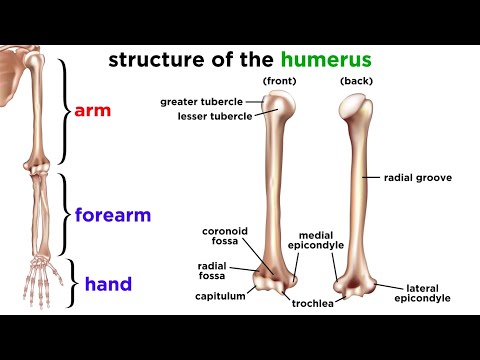
First off, you’ve got the **humerus**, which is the long bone in your upper arm. It’s basically like the trunk of a tree for your arm. This bad boy connects to your shoulder at one end and to your elbow at the other. The humerus allows for all those cool movements you make, like throwing a ball or waving hi to a friend.
Now, as you go down your arm, you’ll find the **radius** and the **ulna**. These guys are like partners in crime! The radius is on the thumb side of your forearm. It helps with wrist rotation—like when you’re stirring up some pasta sauce or typing away on your keyboard. The ulna, on the other hand, is on the pinky side and is longer than the radius. It plays a big role in forming that nice hinge joint at your elbow, so you can bend and straighten your arm smoothly.
And don’t forget about all those tiny bones in your wrist! They’re called **carpals**, and there are eight of them working together to give you flexibility and movement in that part of your arm. Without these little guys, we’d have a tough time doing everyday tasks—like writing or using our phones.
Let’s talk about joints now. Joints are where two bones meet, right? In our arms, we’ve got several types:
- Ball-and-socket joints: Like at your shoulder; this allows for really wide motion.
- Hinge joints: Found at your elbow; think about how doors only swing one way.
- Pivot joints: Like between your radius and ulna; they let you rotate.
These joints are essential because they give us range—like how far up we can lift our arms or how far we can bend them.
Now here’s something cool: muscle attachments! Muscles attach to our bones via tendons. So when you flex that bicep (that muscle on top of your arm), it pulls on the humerus via tendons and makes your elbow bend. Pretty neat trick for picking stuff up!
But what if something goes wrong? If you break one of these bones or mess up a joint, it can be a real headache (literally). You might not be able to move as freely or lift things without pain. That’s why taking care of our bones is super important.
So basically, human arm bones aren’t just random chunks of hard stuff—they’re part of an intricate system that lets us do everything from high-fives to heavy lifting! Next time you wave at someone or throw something away, remember just how important those bones are!
Exploring the Functions of the Arms: A Scientific Overview
So, let’s talk about your arms! They might seem pretty ordinary, but they’re actually super cool when you dive into their structure and function. Your arms are made up of bones, muscles, tendons, and even nerves—all working together like a well-oiled machine.
The human arm skeleton includes several major bones. The upper arm has the humerus, which connects to your shoulder at one end and to your elbow at the other. Then there are two forearm bones: the radius (on the thumb side) and the ulna (on the pinky side). These bones allow for some serious movement—like when you’re waving hello or stretching in the morning!
Now, let’s not forget about *joints*. Joints are where two or more bones meet, and they help you move your arms in different ways. The shoulder joint is super flexible and lets you raise your arm high or swing it around. But then you’ve got the elbow, which mainly bends and straightens—think of it like a door hinge!
Your muscles make up a huge part of how your arms function. The big muscle in your upper arm is called the bicep, and it helps with flexing your elbow. You know that moment when you try to open a jar? That’s when those biceps kick into gear! There’s also the tricep, which helps straighten out your arm again.
The tendons are like strong ropes that connect muscles to bones. Have you ever felt a sharp pain when trying to lift something heavy? That’s usually because a tendon was overworked or strained! So, being careful is key.
Nerves play an important role too. They send signals from your brain to your muscles, letting them know when to move. Ever feel that tingle in your arm after sitting too long? That might be because of pressure on a nerve—your body reminding you it’s time to change position!
A variety of movements are possible thanks to this awesome setup:
- Flexion: Bending at joints (like curling weights).
- Extension: Straightening out (like reaching for something on a high shelf).
- Circumduction: Moving in circular motions (think of drawing big circles with an outstretched arm).
- Rotation: Twisting movements (like turning doorknobs).
Your arms also play huge roles in daily activities—from typing on keyboards to throwing a ball around for some afternoon fun! It’s really amazing how much we depend on this intricate system.
If you think about it, when we don’t use our arms properly—or if we injure them—it can totally throw off our day-to-day life. Just imagine trying to eat without using them much; it’d be quite the challenge!
The bottom line? Your arms aren’t just limbs; they’re complex structures that allow us freedom of movement while engaging with our world. So next time you’re doing something as simple as waving goodbye or cooking dinner, give yourself a little credit for all those intricate parts working together!
Exploring the Structure and Function of the Human Skeleton: A Comprehensive Overview in Human Anatomy
The human skeleton is a pretty amazing structure, isn’t it? It’s like the framework of a house but way cooler because it allows you to move, play, and even hug your friends. Let’s shine a light on the **structure and function of the human arm skeleton**, which is part of this incredible system.
The Arm Structure
Your arm consists of **three main bones**: the humerus, radius, and ulna. The humerus is the long bone in your upper arm. It connects at one end to your shoulder and at the other end to your elbow. So, basically, it’s like the big boss in arm land! The radius and ulna are in your forearm. They run parallel from your elbow to your wrist.
You know how when you turn your palm up or down? That’s mostly thanks to these two bones. The radius tends to be on the thumb side while the ulna hangs out on the pinky side. There’s also a bunch of smaller bones in your wrist called carpals that help with flexibility.
Joint Action
Now let’s talk about joints – they’re super important for movement! The shoulder joint allows for **a wide range of motion**; it’s like a ball-and-socket joint where the humerus fits into the shoulder blade. This means you can throw a ball or lift groceries above your head with ease!
The elbow joint is another cool feature; it’s actually a hinge joint that lets you bend and straighten your arm much like how a door opens and closes. When you flex those muscles in your arm, it creates movement at these joints.
Muscle Connections
That brings us to muscles! Your arm works thanks to many muscles attached by tendons – these are tough connective tissues that hold everything together. Muscles like biceps contract to lift things, while triceps help extend or straighten your arms.
Ever tried lifting something heavy? When you do this, you’re using various muscle groups along with those lovely bones working together smoothly to make sure you don’t drop everything!
Protection & Support
Besides movement, another thing about bones is their ability to protect vital organs—like how our ribcage protects our heart and lungs! However, when we talk about arms specifically, their primary role is support for movement rather than protection.
But here’s something fascinating: when kids grow up smashing things (in play), their bones adapt and strengthen over time. Like heroes getting tougher after adventures!
Summary
So there you have it:
- The Humerus: Upper bone acting like the big boss.
- Radius & Ulna: For rotation—think turning palms!
- Shoulder & Elbow Joints: Allowing different movements.
- Muscles & Tendons: Making everything work together.
- Bones Protect: Not just support but also some protection!
Your skeleton might seem simple at first glance but seriously, it’s an intricate system collaborating for strength, flexibility, and protection! Every time you wave or reach out for something – just remember how awesome our bodies are working in harmony! Isn’t that something worth appreciating?
You know, it’s pretty amazing when you think about how our bodies work, right? Take your arm, for instance. Just consider the skeleton of it for a minute.
So, your arm has this framework made up of bones that not only gives it shape but also lets you do all kinds of things—like waving at a friend or reaching for your favorite snack. The main bone in the upper arm is called the humerus. Sounds fancy, huh? It connects to two bones in your forearm: the radius and the ulna. Those names may sound a bit like characters from a sci-fi movie, but they actually play super important roles.
Think about when you bend your elbow—yeah, that’s thanks to joints working like little hinges! And those joints? They’re where the bones meet and allow movement. Isn’t that cool? But here’s something that hit me one day while watching my niece try to catch a ball: our arms are like these intricate machines, powered by muscles connected to those bones. It’s all teamwork! The muscles pull on the bones to create movement, which lets us throw or lift things with ease.
And here’s where it gets even cooler. The human hand itself is sort of like a mini marvel of evolution—it’s made up of multiple tiny bones called phalanges. This gives our fingers flexibility and precision so we can do everything from typing on our phones to playing musical instruments. I remember trying to learn guitar once; I was fumbling with my fingers at first but then realized how those tiny phalanges were working overtime just to hit the right chords.
So yeah, when you look at your arm—as simple as it may seem—it’s really packed with clever engineering! The structure is all about supporting function; each bone has its role in making sure you can move freely and do what needs doing day by day. Kind of makes you appreciate the little things we always take for granted!