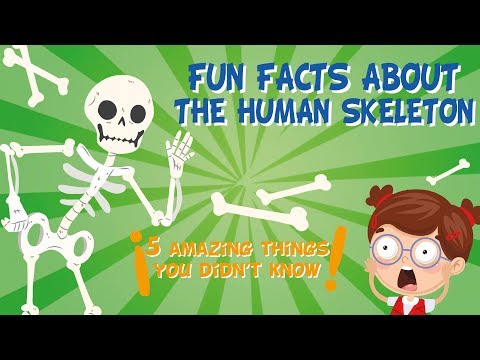
So, picture this: you’re at a party, and someone bumps into you. You stumble back a bit, and what saves you from going down like a sack of potatoes? Your skeleton! Seriously, that bony structure we all take for granted is kinda amazing.
I mean, have you ever thought about how many bones are in your body? Like 206 in an adult! And they all work together to keep you standing tall (or sitting, ya know).
But wait, it’s not just a bunch of bones. Your skeleton does so much more—protecting your organs, making blood cells, and even giving us shape. It’s like the unsung hero of our bodies! So let’s dive into some wild facts about our skeletons and why they truly deserve a round of applause.
Exploring the 7 Essential Functions of the Human Skeleton in Biological Science
So, let’s talk about your skeleton. I mean, it kinda holds you together, right? The human skeleton is absolutely more than just a bunch of bones. It has some seriously cool functions that are essential for keeping us alive and kicking. Ready? Let’s break it down!
1. Support
First off, the skeleton provides structure and support for your body. Imagine your body as a house; without a solid frame, things would fall apart! Bones give you shape and help maintain your posture. They act like scaffolding.
2. Protection
Next up is protection. Your skull guards your brain, while your rib cage shields vital organs like the heart and lungs. It’s like having a personal bodyguard! When you think about how fragile those organs are, it’s pretty amazing how bones help keep them safe from injury.
3. Movement
Now let’s get to movement, which is where muscles come into play too! Your bones act as levers when muscles pull on them; this basically lets you walk, run, jump—do all those fun activities you enjoy! It’s like a really complex system of gears working together.
4. Mineral Storage
Surprisingly enough, bones are also important for storing minerals—like calcium and phosphorus—that our bodies need to function properly. When your body needs these minerals, it can “borrow” them from your bones, keeping everything in balance.
5. Blood Cell Production
Here’s something cool: some of the largest bones in your body contain bone marrow, which produces blood cells! That means every time you move or play sports, there’s a whole factory working inside you to ensure that oxygen gets delivered efficiently through those red blood cells.
6. Energy Storage
Bones can store lipids (that’s fat) as well! Now don’t freak out; this doesn’t mean you’re made of fat or anything crazy like that! Fat stored in yellow bone marrow serves as an energy reserve when the body needs it.
7. Endocrine Regulation
You probably never thought about this one: bones even have a role in regulating endocrine functions! They release hormones like osteocalcin that are involved in controlling metabolism and blood sugar levels—basically helping manage energy use in the body.
So yeah, as simple as they may seem at first glance, all these functions make the skeleton super important for our existence! From protecting organs to aiding movement and keeping our bodies balanced—it’s all happening right inside those bony structures hidden beneath our skin. Isn’t it wild how something so seemingly mundane plays such crucial roles?
Discover the Most Fascinating Fact About the Human Body: A Scientific Exploration
So let’s talk about something pretty cool: the human skeleton! It’s not just some collection of bones; it’s this incredibly intricate system that shapes our entire existence. You know, the moment you take a step or wave your hand, you’re relying on this masterpiece of engineering.
First off, did you know that as an adult, you have 206 bones? Sounds like a lot, right? But here’s the kicker: babies are born with around 270 bones! Over time, some of these bones fuse together. It’s like a natural teamwork thing happening in your body. So, by the time you hit adulthood, you’re down to that neat 206 count.
Now let’s get into what those bones actually do. Your skeleton has a bunch of important roles:
Doesn’t that make you appreciate those often-overlooked structures? And speaking of appreciation—ever thought about how strong our bones really are? Your femur (thigh bone) is one of the strongest! In fact, it can withstand forces up to 1.6 times your body weight before breaking! That’s just mind-blowing when you think about it.
And listen to this: as we age, our bones start losing density—a process called osteoporosis. This makes them weaker, which is why it’s super important to keep active and eat foods rich in calcium when you’re older—help keep them strong!
So next time you’re playing sports or even just strolling down the street, take a moment to marvel at how all those little (or big) pieces fit together so perfectly. That skeleton of yours? It’s not just there; it’s working hard every single day to help make sure you’re living life fully!
Unveiling the Rarest Skeleton in the World: A Scientific Exploration
So, let’s talk about skeletons, shall we? The human skeleton is pretty amazing. It’s not just a bunch of bones; it’s a dynamic structure that does way more than you might think. And believe it or not, some skeletons out there are super rare.
First off, the human skeleton has around 206 bones in adults. But here’s where it gets fun: babies have about 270 bones! Yeah, they start out with more because some of those tiny bones fuse together as they grow. It’s like a natural puzzle coming together over time.
But onto the rare skeleton bit. There are some fascinating cases in the world of rare skeletons—like the **Homo naledi** found in South Africa. This ancient relative of ours had a mix of modern and archaic features. Imagine bumping into them at a coffee shop! They had smaller brains but hands and feet pretty similar to ours—pretty cool, right?
Another intriguing example is the famous “Kennewick Man,” which is one of the oldest skeletons found in North America—over 9,000 years old! His discovery gave scientists major insights into early human life and migration patterns, but he also stirred up quite a bit of debate about cultural ownership and ancestral claims.
Now let’s zoom back to our own bones for a moment! Our *skeleton* supports our body and gives us shape, which is super important for movement too. Did you know that your bones store minerals like calcium? That’s right—when you eat foods rich in these minerals, your body relies on your bones to keep everything balanced.
Here are some key functions that our skeletal system provides:
- Support: Your skeleton acts like scaffolding for your body.
- Movement: Joints work with muscles to help you move.
- Protection: Bones protect vital organs; like your skull shields your brain!
- Blood cell production: Bone marrow makes red and white blood cells.
- Mineral storage: Bones store calcium and phosphorus.
It’s amazing how all this combines into something so vital yet often overlooked! You might not think about it every day, but your skeletal system is working hard to keep you going day after day.
And hey, remember that each one of us has a slightly different bone structure too! Some people might have an extra rib or a differently shaped collarbone—little quirks that make us unique!
In short, while we marvel at those rare skeletons out there telling ancient stories or giving clues to how we evolved, it’s crucial not to forget our own incredible framework right under our skin doing its job silently every single day. It’s just one more piece of how extraordinary science can be!
So, you know when you think about your body, it’s easy to get wrapped up in all the stuff that’s going on inside? Like your heart racing or your brain buzzing with thoughts. But honestly, have you ever stopped to really think about your skeleton? It’s kind of wild when you get into it.
First off, your skeleton is made up of 206 bones—yep, that’s a whole bunch! I remember being a kid, flipping through a science book and seeing a picture of a skeleton. It looked so cool and spooky at the same time. I mean, who could forget those grinning skulls with all their mysteries? But bones aren’t just there for show; they do some amazing stuff!
Your skeleton supports your body like a framework for a building. Think of it this way: without those bones holding everything together, we’d just be piles of gooey cells! And they help protect vital organs too. Your skull is like a helmet for your brain, keeping it safe from bumps and bruises. A couple of times as a kid, I got smacked in the head—thank goodness for my sturdy skull!
Now here’s something neat: bones are alive! Seriously! They’re constantly changing through this process called remodeling. Old bone tissue breaks down while new bone forms. This means that the little cells inside are always working hard to keep things balanced. You’ll have about 80% of your bones replaced over the years without even realizing it!
Also, did you know that some bones can even produce blood cells? Yep! Inside certain bones—like the big ones in your legs—that soft stuff called bone marrow churns out red and white blood cells, which are super important for keeping us healthy and fighting off infections.
And if that wasn’t cool enough, our skeletons are pretty unique—kind of like snowflakes! No two people have exactly the same bone structure. That’s why forensic scientists can use skeletal remains to identify individuals. Kinda spooky but also fascinating how much information lies hidden within our bones.
Sometimes I think about how many times someone might break or sprain something throughout their life and how resilient our bodies really are at healing those injuries. It’s almost like our bones have this quiet strength built right in.
So yeah, next time you’re standing up or taking a stroll around town, give a little nod to your incredible skeleton doing all that heavy lifting—literally!