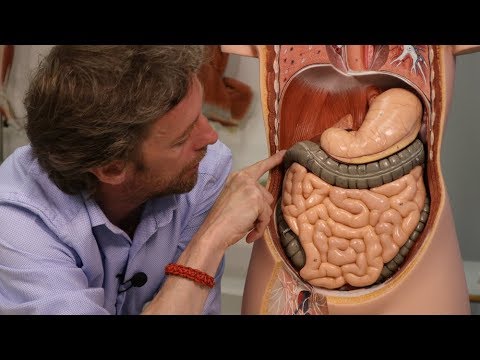
Okay, so picture this: you just finished a big plate of spaghetti, and suddenly, you feel like your stomach is about to start doing the cha-cha. Ever wondered what’s going on in there?
Your belly’s got some serious stuff happening! Like a secret party of organs performing their duties without you even noticing. It’s wild, right?
Abdominal organs are way more than just space fillers. They do everything from breaking down food to fighting off nasty germs.
So let’s take a little journey down into your abdomen. We’ll check out what each organ is up to and why they’re kind of like the unsung heroes of your health. Ready?
Exploring the 7 Essential Functions of the Stomach in Human Physiology
The stomach is like the unsung hero of your digestive system, you know? It does a lot more than just hold your food until you’re ready to chow down. So, let’s break down its seven essential functions in human physiology.
- Storage: First off, the stomach acts as a storage tank for food. When you eat, it can hold about 1 to 2 liters of food and liquid! This means it gives your body some time to decide what to do with all that delicious goodness.
- Mixing: While it’s storing the food, the stomach is also mixing it up. It contracts and churns the mixture into a semi-liquid form called chyme. Think of it as giving everything a good stir before it moves on!
- D digestion: Here’s where things get interesting! The stomach has these super-friendly digestive juices that break down proteins. These juices include hydrochloric acid and pepsin, an enzyme. You can think of pepsin like tiny scissors cutting proteins into smaller pieces.
- Acidity: The hydrochloric acid isn’t just for show; it also creates a really acidic environment (with a pH around 1-3). This acidity helps kill off unwanted bacteria that might tag along with your food. So it’s like having a little security guard protecting your insides!
- Absorption: While most absorption happens in the intestines, some stuff does get absorbed right in the stomach. For example, alcohol and certain medications can sneak through the stomach wall into your bloodstream quite quickly. Ever wondered why that drink hits you so fast?
- Pacing: Ever heard of gastric emptying? That’s how slowly or quickly food moves from your stomach to your small intestine. Your body knows how to time this process based on what you ate — if it’s heavy or light. Amazing, huh?
- C hormone production: Lastly, let’s talk about hormones! The stomach produces hormones like gastrin which tells your body when it’s time to start making those digestive juices we talked about earlier. It’s part of how your body keeps everything in check when you’re eating.
You see? The stomach is way more than just a container for tacos or pasta! It plays crucial roles in breaking down our meals and ensuring we get what we need from them—like nutrients while keeping out troublemakers. It’s pretty impressive if you ask me.
The next time you dig into a delicious meal, give a thought to all that hard work happening right under your ribcage!
Exploring the Vulnerability of Abdominal Organs: Which is the Most Prone to Injury?
So, let’s talk about our abdominal organs. You know, the ones tucked away behind that lovely layer of skin and fat. They play essential roles in our health, but they’re also pretty vulnerable to injury. You might be wondering which one of these organs is the most prone to getting hurt.
First off, let’s think about the anatomy here. The abdomen is like a little treasure chest for organs including the stomach, liver, pancreas, intestines, and spleen. Think of it as a crowded room where everyone’s trying to do their job without stepping on each other’s toes.
Now, one organ that tends to get hurt more than others is actually the **spleen**. Why? Well, it’s located just under the rib cage on your left side, so it doesn’t really have much armor around it. When people have accidents – like falling or getting hit – this poor little guy often ends up taking the brunt of it. And when it ruptures? Oof! That can lead to internal bleeding, which is pretty scary.
Then you’ve got your **liver** and **kidneys**—also super important but not quite as delicate as the spleen. The liver can handle a fair amount of damage because it regenerates itself surprisingly well—like a superhero! But still, blunt trauma can cause lacerations or even tears.
Another player here is your intestines. They’re actually pretty tough too but if something sharp comes along (like a broken rib or something sharp you swallow), they can be injured badly. A perforated intestine can lead to serious infections since food and bacteria can spill into your abdominal cavity.
Oh! And let’s not forget about the **stomach** itself—it’s like a squishy bag designed to break down food—but if you take a hard hit there? You could end up with a perforation too.
To sum things up:
- Spleen: Most prone to injury due to its location.
- Liver: Tough but still susceptible if hit hard enough.
- Kidneys: Tough little guys but vulnerable from blunt trauma.
- Intestines: Can be injured by sharp objects or trauma.
- Stomach: Squishy but similarly at risk when impacted.
In short, while all abdominal organs have their vulnerabilities, the spleen stands out as particularly prone to injury due to its position and lack of protective barriers. So next time you think about how tough your body is, remember that these vital organs are working hard behind the scenes—and sometimes they really need us to keep them safe!
Recognizing Abdominal Distress: Key Signs and Symptoms of Potential Health Issues
So, let’s talk about your abdomen, that lovely middle section of your body that houses a bunch of vital organs. It’s kind of like the control center for digestion and a bunch of other important processes that keep you going. But sometimes, things don’t feel quite right down there, and you might experience what we call abdominal distress. Recognizing those signs can make a big difference in figuring out if something’s off.
First off, what do we mean by **abdominal distress**? It’s basically any uncomfortable feelings in your belly area. This can include pain, bloating, cramping, or even changes in your bathroom habits. Think of it like your body waving a little red flag when something isn’t functioning as it should.
Now let’s get into some specific signs and symptoms to watch out for:
So yeah, when you start noticing these signs frequently—or they’re really bothering you—it’s definitely time to take notice.
But here’s the thing: let’s not panic immediately! Not every little tummy ache means something serious; life happens! Maybe you overindulged at dinner last night or tried some spicy food that didn’t sit well with you.
Still, if the symptoms persist for more than a few days or worsen over time—especially if you’re experiencing severe pain—then it is crucial to reach out to a healthcare provider! Ignoring these signals might mean missing out on addressing potential issues early on.
Remember those abdominal organs I mentioned earlier? Here’s how some of them can make themselves known through symptoms:
– Your **stomach** can cause discomfort if it’s irritated (that whole “too much spicy food” thing).
– The **intestines** are all about absorption and pushing everything along smoothly; any blockage here can lead to serious pain.
– Even your **liver** can throw some signs into the mix; think about yellowing skin if things get really funky.
Taking care of your gut health is just as important as any part of your well-being! Listen to your body—it’s always trying to tell you something important. So next time you’re feeling odd in the abdomen department, pay attention!
So, let’s talk about our abdominal organs. I mean, they do some serious heavy lifting, right? It’s wild if you think about it. You’ve got your stomach, intestines, liver, kidneys—each with its own role to play in keeping us healthy and happy.
Just the other day, I was reminiscing about my old dog, Max. You know how dogs can be super curious? Well, he had this knack for sniffing out all sorts of leftovers that had mysteriously disappeared from the kitchen counter. One time, he found a half-eaten slice of pizza that probably should have been thrown away ages ago. The look on his face was priceless! But it got me thinking about how our bodies handle food. When we eat something questionable like that pizza (sorry Max), it’s our stomach and intestines that are on the frontline fighting to get things sorted out.
So here’s the deal: the stomach is a bit like a blender. It churns everything up with acids and enzymes so it can break down food into smaller bits before passing it along to our intestines. And then there’s absorption—oh man! That’s where things get interesting. Your intestines are like tiny sponges that soak up all those nutrients and water from your food to keep you going strong.
And let’s not forget about the liver! Seriously, it’s one of those unsung heroes of our organs. It processes everything we eat and drink (no wonder it gets a bit overworked sometimes). The liver helps filter out toxins too—it’s like having an in-house cleanup crew making sure everything’s running smoothly.
Kidneys are another pair of champions working behind the scenes—they’re vital for filtering blood and creating urine to get rid of waste products while balancing fluids in your body. If they don’t function well, you can imagine how quickly trouble could follow.
But here’s something you might not consider much: emotional health is also tied closely to these organs! There’s this gut-brain connection where what happens in your belly can actually impact your mood and stress levels. Ever felt butterflies before a big presentation? That swirl in your stomach is no joke!
So basically, understanding these abdominal functions isn’t just academic; it touches on everyday life and our overall well-being. When all systems are go down there, there’s a greater chance we feel energized and ready for whatever life throws at us—just like Max was always ready for his next adventure (as long as there was pizza involved). Just remember to give your body some love because it’s doing a lot behind the scenes—promise it won’t go unnoticed!