You know that moment when you accidentally bite your tongue? Ouch, right? It’s one of those cringe-worthy experiences that makes you appreciate your jaw way more than usual. Seriously, the mandible, or your jawbone, is like the unsung hero of your face.
Think about it: it’s not just there for chewing pizza or cracking jokes. The mandible is a complex piece of machinery that plays a huge role in how we eat, speak, and even express ourselves. It’s one of those things we take for granted until something goes wrong.
Ever seen someone struggling to eat because of jaw pain? It really hits home how essential this little bone is to our daily lives. So, let’s take a closer look at what makes the mandible so special and why it matters more than you might think!
The Structure and Function of the Jaw: An In-Depth Analysis in Anatomy and Physiology
The jaw—let’s talk about it! It’s one of those things we use every day without even thinking. But there’s a lot going on in there. The jawbone, specifically known as the mandible, is the only movable bone in your skull. Pretty cool, right? This little guy is essential for eating, talking, and a bunch of other stuff.
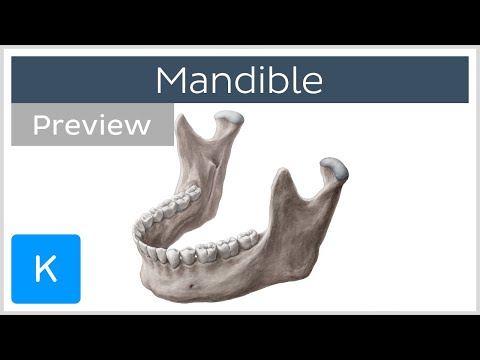
The mandible consists of two main parts: the body and the ramus. The **body** is the horizontal part that holds your teeth, while the **ramus** is on both sides—it’s that vertical section going up towards your ear. This structure gives us a solid foundation to bite and chew food properly.
You might wonder how it all connects. Well, it meets the skull at a joint called the temporomandibular joint or TMJ for short. If you’ve ever heard someone say they have TMJ problems, they’re basically saying they have issues with this important hinge that allows movement.
Now, let’s get into some functions. First off, chewing. That’s right; every time you munch on something crunchy or juicy, your mandible is working hard! Muscles like the masseter help you close your jaw with strength while others like the temporalis assist in lifting and moving it side to side.
But it doesn’t stop at chewing! Your jaw plays a role in speech. When you talk, your mandible moves to shape sounds—like when you say “hello” or “pizza.” So when you chat away with friends, thank your jaw for helping out!
Interestingly enough, our mandibles aren’t just practical; they also carry some serious evolutionary history. Early humans had bigger jaws to help them process tougher foods. Over time, our diets changed—a lot—so our jaws got smaller! Isn’t evolution neat?
Lastly, let’s talk about health. Sometimes people can have issues with their mandibles due to things like clenching or grinding teeth at night (that’s called bruxism). This can lead to headaches and jaw pain—not fun! Keeping an eye on oral health is vital for keeping that mandible happy.
To sum it up:
- The mandible is our only movable skull bone.
- It has two parts: body and ramus.
- The temporomandibular joint (TMJ) connects it to our skull.
- It helps with chewing and speech.
- Its shape has evolved over time!
So next time you’re enjoying a meal or chatting away with friends, remember all the incredible work your jaw does behind the scenes!
The Role of the Mandible in Human Anatomy: Understanding Its Functions and Significance
The mandible, or as most people call it, the lower jaw, is like the unsung hero of our facial structure. Seriously! It plays a massive role in how we eat, talk, and even express ourselves. So let’s break down what this funky bone is all about.
Structure
First off, the mandible is the largest and strongest bone in your face. It’s shaped kind of like a horseshoe. The cool thing about it is that it’s not just one solid piece; it has several parts. These include:
- Body: This is the main part that forms your chin.
- Rami: These are two vertical parts that connect to your skull.
- Corners: The angle where the body meets the ramus.
- Condylar process: This connects to the skull and lets you open and close your mouth.
It’s like a little puzzle that fits together perfectly!
Functions
So why should we care about the mandible? Well, it’s got some serious jobs:
- Chemical digestion: When you chew food, your teeth crush and grind it—but without the mandible moving up and down, you wouldn’t be able to do that!
- Speech: Ever tried talking with a closed mouth? Not easy! The movement of your mandible helps form words and sounds.
- Facial aesthetics: Think about how much expression comes from our jaw movements. A strong mandible contributes to a well-defined jawline which can affect perceptions of beauty.
Like that time I was at a party trying to explain my favorite movie to my friends while chomping on snacks. I realized how crucial my mandible was—not just for chewing but for flailing my hands while gesturing!
The Significance
Let’s talk significance for a second. The health of your mandible affects so much more than just biting into an apple:
- Dental health: An unhealthy jaw can lead to misaligned teeth or even tooth loss.
- Mouth disorders: Conditions like TMJ (temporomandibular joint disorder) can cause pain when moving your jaw.
- Nutrition: If your jaw hurts when eating, you might avoid certain foods which can lead to nutritional deficiencies over time.
Imagine trying to eat pizza but every bite sends shocks through your jaw! That’s not just uncomfortable; it’s problematic.
Anatomy Connection
Oh, and let’s not forget how connected everything is! The mandible interacts with muscles like the masseter (that big one responsible for chewing) and other structures in our mouths. This makes every bite an intricate dance between bones, muscles, and nerves.
So there you have it! The mighty mandible may seem simple or sometimes overlooked, but if we really take time to appreciate its complexity—and all those little moments like munching popcorn at movies or sharing laughs with friends—it ends up being quite significant in our daily lives. Next time you take a bite out of something delicious or say something funny (with maybe a goofy grin), give a little nod of appreciation to that hardworking lower jaw!
Understanding the Structure of the Mandibular Joint: Anatomy and Function in Human Science
The mandibular joint, or temporomandibular joint (TMJ), is like the unsung hero of your jaw. It’s what helps you yawn, chew, and even talk. So, let’s break down what this joint is all about.
First up, the anatomy. The TMJ connects your mandible, which is basically your lower jawbone, to your skull. Think of it as a sliding hinge. There are two TMJs—one on each side of your head—allowing for smooth movement when you open and close your mouth.
You’ve got a few key players here:
- The Articular Disc: A small cartilage cushion that sits between the mandible and the temporal bone of the skull. This disc absorbs shock and helps with smooth movements.
- The Ligaments: These are tough bands that help stabilize the joint. They keep everything in place while still allowing it to move freely.
- The Muscles: Your jaw muscles, especially the masseter, play a huge role in moving the mandible. They contract to help you chew food.
Now let’s talk about how it works! When you open your mouth, several things happen at once. The mandible moves downward and forward, while that cute little articular disc slides along with it. This movement allows for a wide range of actions—from chewing tough steak to making silly faces at friends!
But wait! Sometimes this harmony can get disrupted, leading to issues like pain or discomfort in the jaw—ever felt that? It might be due to something called TMJ disorders. Stress can make you clench your jaw without even realizing it! Over time, this tension may lead to inflammation or wear down those important structures we just talked about.
Interestingly enough, everyone has a unique TMJ anatomy! Some people have more pronounced discs or different shapes for their mandibles. These variations can influence how flexible or stable our jaws are.
You know what’s cool? If you’ve ever seen someone suffer from chronic headaches or ear pain but couldn’t put two and two together about their jaw being involved—that’s totally real! The TMJ doesn’t only affect chewing; it’s interconnected with other structures in your head and neck.
So yeah, understanding this tiny yet mighty joint can really change how we think about facial health overall! The next time you’re munching on popcorn at a movie theater or chatting away with friends over coffee, give some love to your TMJs—they’re working hard behind the scenes!
You know, the mandible, or the jawbone, is one of those things we don’t really think about until something goes wrong with it. Like, I remember a friend of mine who got his wisdom teeth out. Poor guy was in so much pain! But it really got me thinking about how essential our mandible is not just for chewing, but for so many functions.
So first off, let’s talk structure. The mandible is the only movable bone in your skull. Pretty cool, huh? It connects to the rest of your skull at this nifty joint called the temporomandibular joint (TMJ). This joint is like a little hinge that lets you open your mouth to eat and smile or shout when you’re excited—like when your favorite song comes on.
And speaking of eating, that’s where the function comes in. Your mandible is crucial for biting and grinding food. It works in tandem with your teeth and muscles. When you take a bite of pizza or steak, it’s all thanks to this sturdy bone doing its job!
Also, think about how we communicate. The way we shape our mouths helps produce sounds and words. Without a functioning mandible, imagine how awkward conversations would be! You’d be stuck using hand gestures all the time—no one wants that!
Interestingly enough, this bone also has some cool evolutionary history behind it. If you go back millions of years, early humans had different jaw structures compared to us now. They needed stronger jaws for tougher diets; we’ve come along way since then—thank goodness for pizza!
So yeah, next time you chew on something delicious or laugh with friends, give a little nod to your mandible. It’s working hard for you behind the scenes! It’s amazing how such a simple structure can be so vital in our daily lives and overall health—it’s like an unsung hero in our bodies.