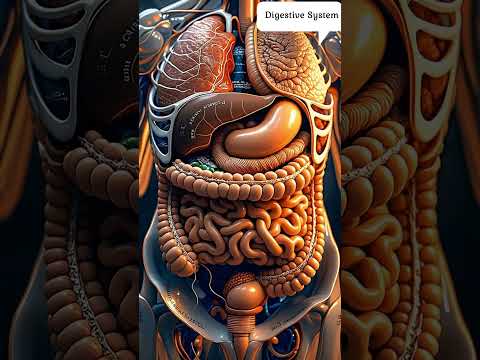
So, you know how your stomach grumbles when you’re hungry? It’s like this tiny monster in there, right? Well, that monster’s home is way more interesting than you might think!
The human abdomen is like this treasure chest of organs all working together. Seriously, it’s a wild neighborhood down there! You’ve got everything from your stomach to your intestines hanging out, doing their thing.
And the craziest part? They’re all packed in so tightly! Sometimes I wonder how they don’t throw a block party with all that action happening.
So let’s take a little tour of this amazing space. You’ll see what keeps us alive and why it’s so darn cool!
Exploring the Most Vulnerable Abdominal Organ: Insights from Anatomy and Physiology
The human abdomen is like a bustling hub, filled with organs that play massive roles in our well-being. Among these, the spleen often doesn’t get much spotlight. It’s tucked away on the left side, behind your ribs, doing its thing quietly. You see, it’s often considered one of the most vulnerable organs in the abdomen.
The Spleen’s Role
So, what’s up with the spleen? Well, it’s part of your immune system and helps filter blood. It holds onto blood cells and produces lymphocytes—those little warriors fighting off infections. Pretty cool, huh?
The spleen can be injured easily due to its position. Imagine playing soccer and taking a hard hit to your side—that could potentially rupture the spleen. Ouch! When that happens, it can lead to serious internal bleeding.
Now let’s break down some key points:
- Location: It’s located in the upper left part of your abdomen.
- Function: Filters old red blood cells and recycles iron.
- Vulnerability: Its soft tissue structure makes it prone to injuries.
- Size: Roughly the size of a fist but varies from person to person.
Anatomical Insights
Anatomically speaking, the spleen has a unique structure. It’s made up of a soft tissue called lymphoid tissue. This gives it that squishy feel—perfect for filtering blood but also makes it delicate! The outer layer is tough enough to handle being tucked away yet still exposes this organ to potential risks.
Also interesting is how blood flows through it. Blood enters through arteries and exits through veins after getting filtered—a clever way to clean out impurities from your bloodstream.
As a little fun fact: did you know you can live without your spleen? It’s true! Other parts of your immune system step up when it’s removed or damaged. But life without it means you might catch colds more easily since your body lacks that extra layer of defense.
Anecdote Time!
There’s this one time I was chatting with a friend who was feeling pretty awful after a sports injury—not because he broke anything major but because he’d ruptured his spleen! He had no idea how vulnerable that little organ was until he faced surgery and recovery head-on. He said he’d never look at contact sports the same way again!
So yeah, understanding the anatomy and physiology of our organs like the spleen not only helps us appreciate their function but also reminds us to be cautious about our bodies’ limits. Because every organ plays its part in this complex orchestra known as human life!
Understanding the Anatomical Structure of the Abdomen: Insights into Human Biology
So, let’s chat about the abdomen. You know, that part of your body that you often hear about but might not really think much about? Yeah, it’s pretty complex and downright fascinating!
The abdomen is the region between your chest and pelvis. It houses several important organs, and if you’re wondering what’s going on in there, well, let me break it down for you.
1. The Organs: Inside the abdomen, you’ll find key organs like the stomach, intestines, liver, gallbladder, and pancreas. Each plays a specific role in digestion and metabolism. For instance, your stomach breaks down food into smaller pieces so nutrients can be absorbed later on.
2. The Layers: The abdomen is protected by various layers of tissue. Think of it as a layered cake! There’s skin on top (duh), followed by fat tissue and muscles underneath that form the abdominal wall. These muscles not only shield your organs but also help with movement – like bending and twisting.
3. The Abdominal Cavity: This cavity contains all those organs we talked about earlier. It’s surrounded by a membrane called the peritoneum which keeps everything snug inside while also allowing some movement.
Ever had a moment where you felt butterflies in your stomach? That’s because your brain can send signals down to your gut through this amazing network called the enteric nervous system. Basically, it connects our digestive functions to our emotions—how cool is that?
4. Blood Supply: The blood vessels around the abdomen are vital for delivering oxygen and nutrients to those hardworking organs. Two important arteries are the aorta and inferior vena cava – they’re kind of like highways for blood!
5. Common Issues: Sometimes things can go wrong in this area – think about conditions like appendicitis or gastritis. It’s crucial to pay attention to abdominal pain or discomfort since they could be signs of something more serious.
Remember that little feeling when you have an upset stomach or just feel off? That’s your body communicating with you about what’s happening in your abdomen.
So yeah! The anatomy of the abdomen isn’t just a bunch of organs crammed together; it’s an intricate system that plays a massive role in keeping us healthy and functioning well every day!
Exploring the Four Distinct Shapes of the Abdomen: A Scientific Overview
The human abdomen is more than just a container for our organs. It has some pretty distinct shapes, and understanding these can offer insights into our health and body types. So, let’s break down the four main shapes of the abdomen—because they’re really interesting!
1. The Apple Shape
You know this one! People with an apple-shaped abdomen tend to carry more weight around their midsection. It’s like those classic cartoon characters, where the belly seems to be the biggest part. This shape is often linked to a higher risk of heart disease and diabetes. Seriously, it’s not just about how you look; it can mean something about your health too.
2. The Pear Shape
Then there’s the pear shape. Here, weight is carried more around the hips and thighs rather than in the belly. Think of it as having narrower shoulders and a wider bottom half. This shape can be seen as having less risk for certain diseases compared to apple shapes, but it’s still super important to lead a healthy lifestyle.
3. The Rectangle Shape
Now we get into what people call a rectangle shape—not too much extra padding on the belly or hips, you know? This body type has a pretty even distribution of weight through the torso, which might sound good! Often folks with this shape maintain their weight fairly consistently over time.
4. The Hourglass Shape
And lastly, we’ve got the hourglass shape! This one has that beautiful curve that many admire—narrow waist with proportionate bust and hips. It can be really fascinating how different factors like genetics and hormones affect this shape.
So there you have it—four unique abdominal shapes that not only define our appearance but also hint at underlying health messages too! Each one tells its own story about body composition and health risks that we should pay attention to.
In exploring these shapes, remember that they aren’t fixed or absolute; they can change based on various factors like diet, exercise, and even age! You see? Understanding your own abdominal shape might just give you a better idea of what to focus on when it comes to maintaining your well-being in general.
You know, the human abdomen is kind of like this mysterious treasure chest, right? I mean, when you really think about it, it’s not just a big pouch where our food hangs out. There’s so much going on in there! I remember this one time my buddy Sam got really into anatomy. He was fascinated by how we’re built and all the little details that make us who we are. One day, he tried to explain the different organs in the abdomen to me over coffee. I’ll tell you, I thought I’d be snoozing halfway through, but it turned out to be super interesting!
So, let’s break it down a bit. The abdomen isn’t just a flat surface; it houses vital organs like the stomach, liver, intestines—both small and large—and a handful of others doing their thing behind those layers of skin and muscle. Honestly, it’s like a bustling city of organs working together. You’ve got your stomach breaking down food—like, seriously doing some heavy lifting—and then your small intestine comes in to absorb all those nutrients. Pretty cool when you think about how much teamwork is happening!
Then there’s that amazing support structure called the abdominal wall. It’s made up of muscles that not only help protect these organs but also play a role in almost every movement we make—like bending over to tie your shoes or even just sitting up straight! It’s wild how something so simple can have such an intricate job.
And let’s not forget about the peritoneum! Sounds fancy, huh? But it’s actually just a thin layer that covers the inside of your abdomen and keeps everything nice and cozy. If we didn’t have it, all those organs would be bumping into each other all day long—not exactly ideal for smooth operations.
All this made me appreciate my own body more—it really is one heck of an engineering feat! So next time you see someone with a killer six-pack or maybe feel a little tummy rumble after lunch, take a moment to think about what’s happening inside there. It’s not just food being digested; it’s life unfolding in ways we often overlook… Crazy how something so commonplace can feel so magical when you dig deeper!